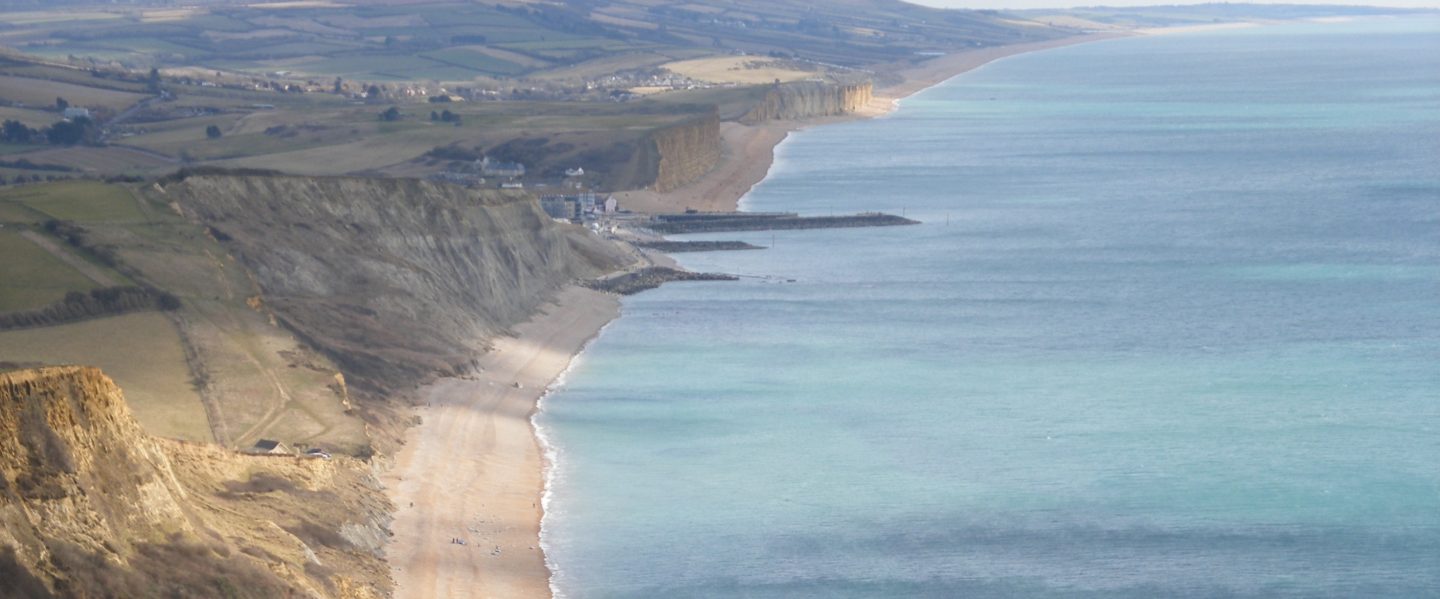
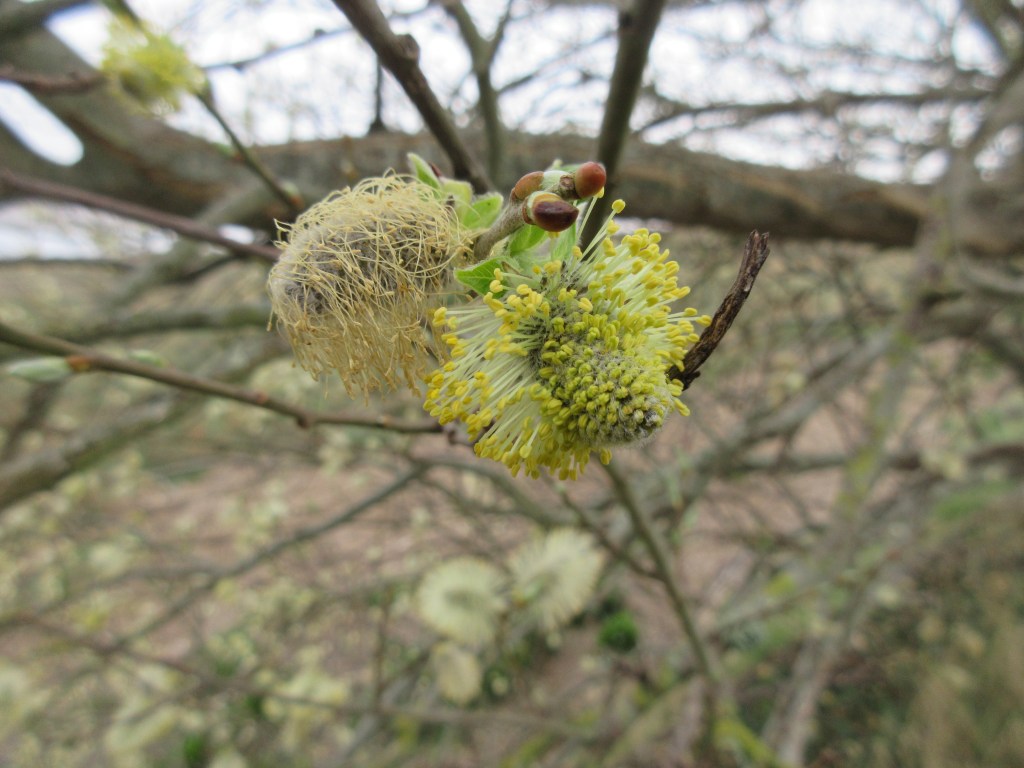
We have been walking the SW Coast Path since January 2018. It feels as though we should have completed it some time ago. It was a minor casualty of Covid. At the start of 2022 we had 90 miles to go. We started our seventh holiday let week with the aim of covering at least half of the remaining distance.
There had been careful and detailed planning in advance.
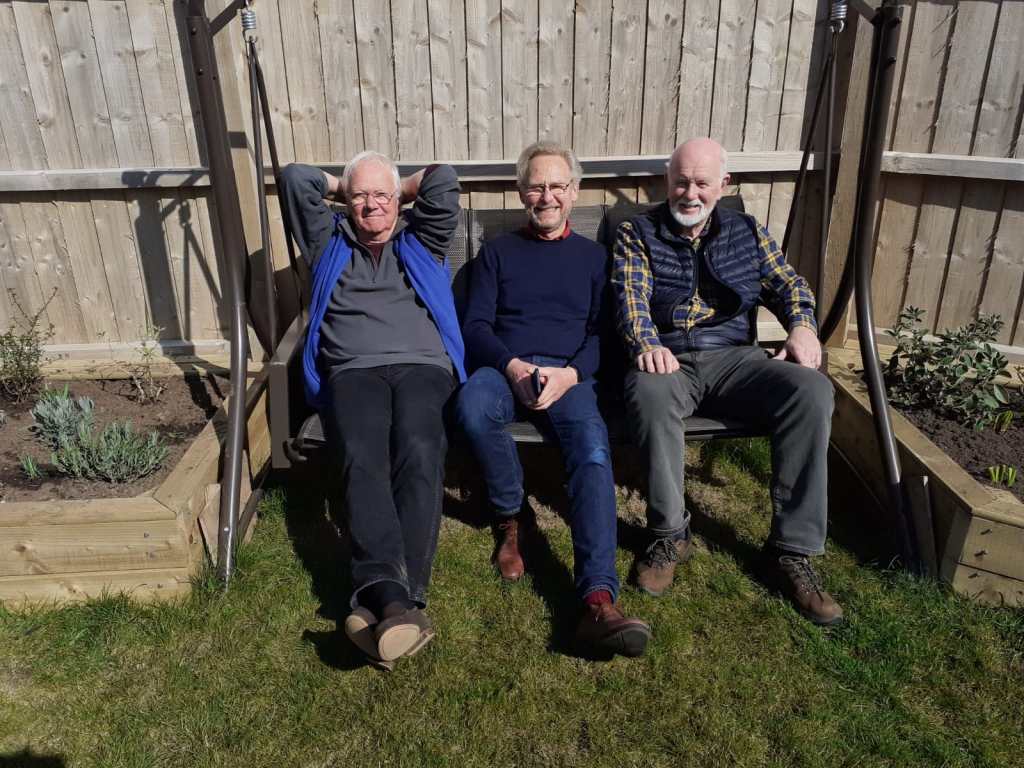
Wendy had found us a spacious bungalow in Braunton. It had a large open plan kitchen and living area, capable of dealing with six argumentative people and one dog. Milo liked it. One of its luxuries was that it had more than six of everything reducing the need for repetitive washing up. The attractive garden had plenty of emerging herbaceous plants for Anne and Sally to identify and discuss. We were well set up for our next session.
This was going to be the flattest section of the path because it includes the estuaries of the Torridge and the Taw. They embrace an area of about ten kilometres by eight. Walking round the edge of the estuary is a circuitous way of getting from Westward Ho! to Saunton a distance of about five kilometres as the crow flies. I think Raynor Winn and Moth decided it was worth skipping this diversion and went by bus. But Richard and I thought we had to walk it in order to complete the path. Martin thought we were mad and said it would be boring.
In spite of Martin’s doubts we resumed our quest at Greencliff on the first day of British Summer Time. It was a beautiful spring morning, sunny and with a light breeze.
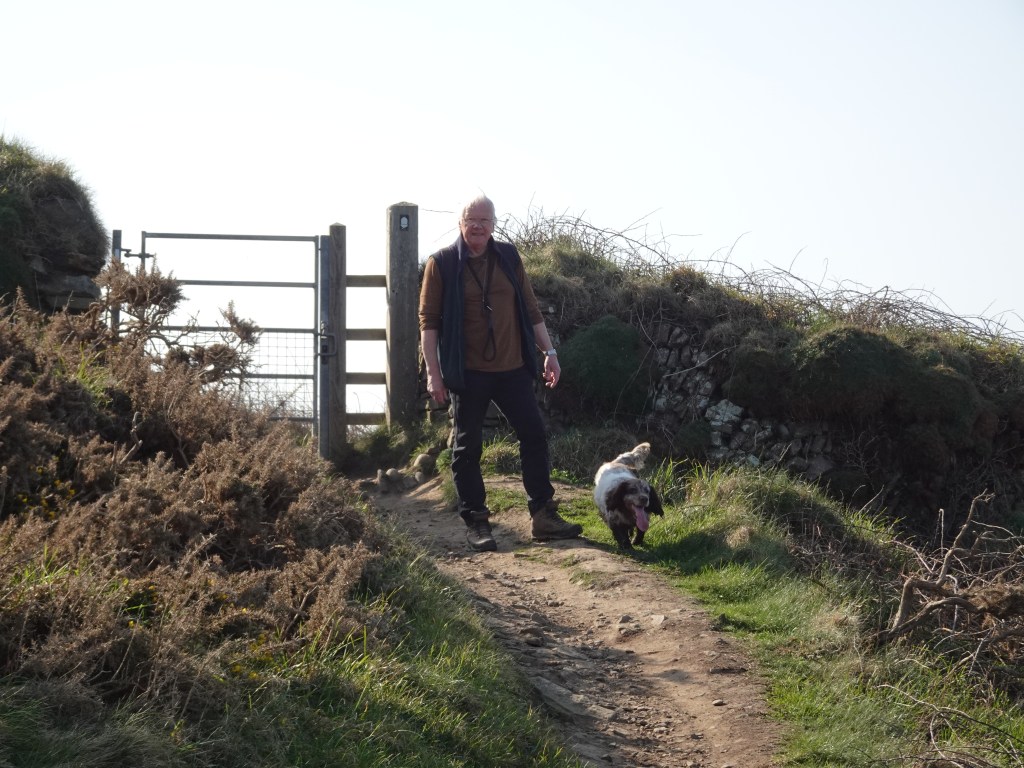
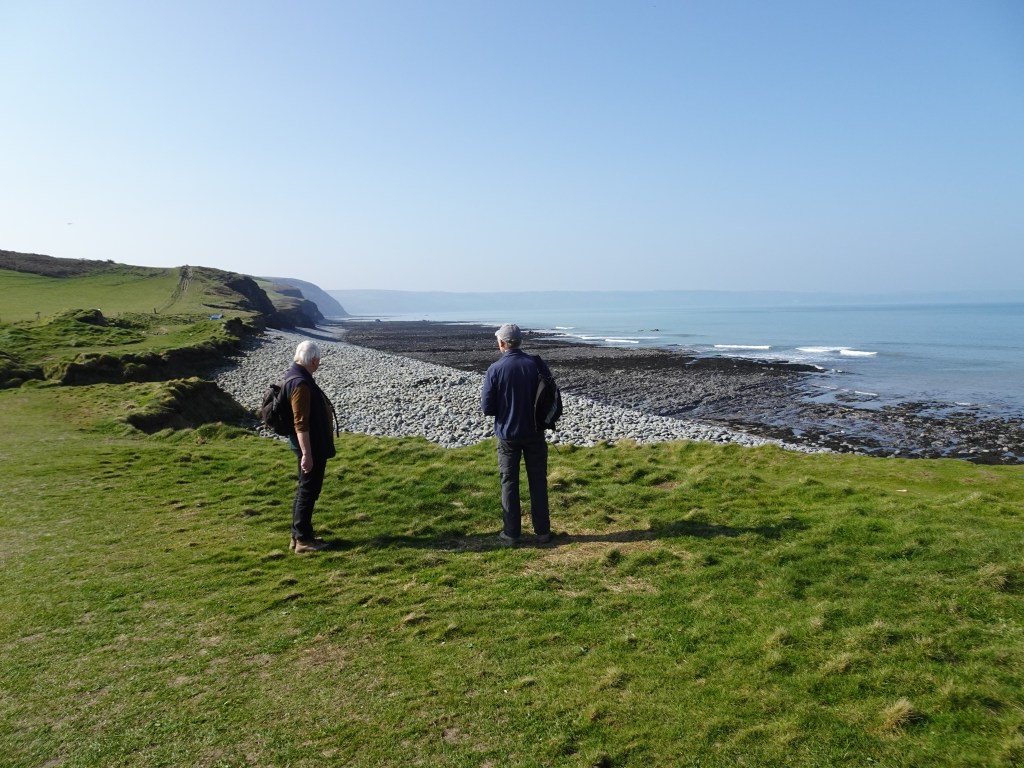
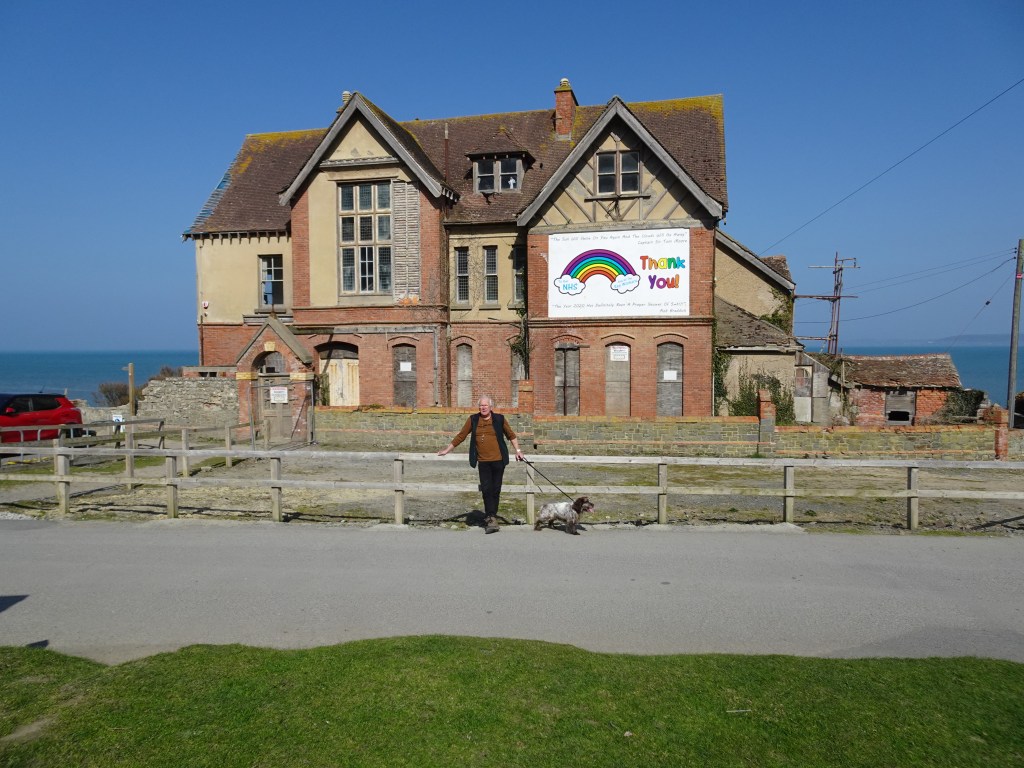
After a couple of miles of modest ups and downs we arrived on the outskirts of Westward Ho! It is an intriguing place. It was built in the 1860s modelled on the town described in Charles Kingsley’s novel. Its most glorious days are probably in the past. But signs of its origins remain.
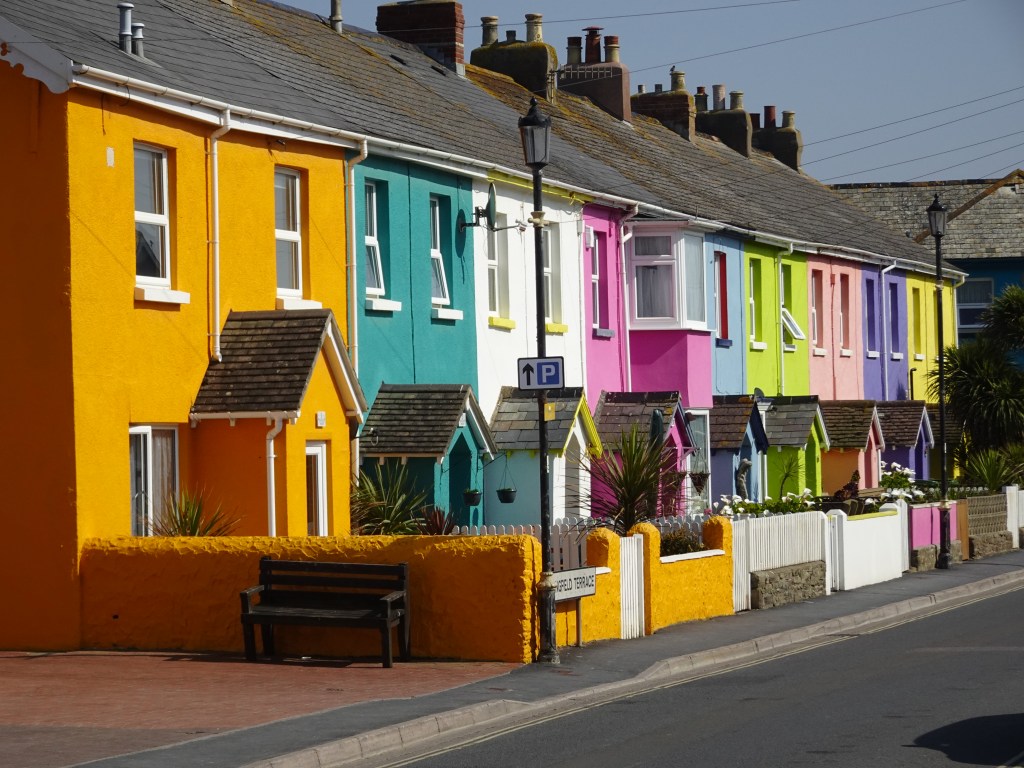
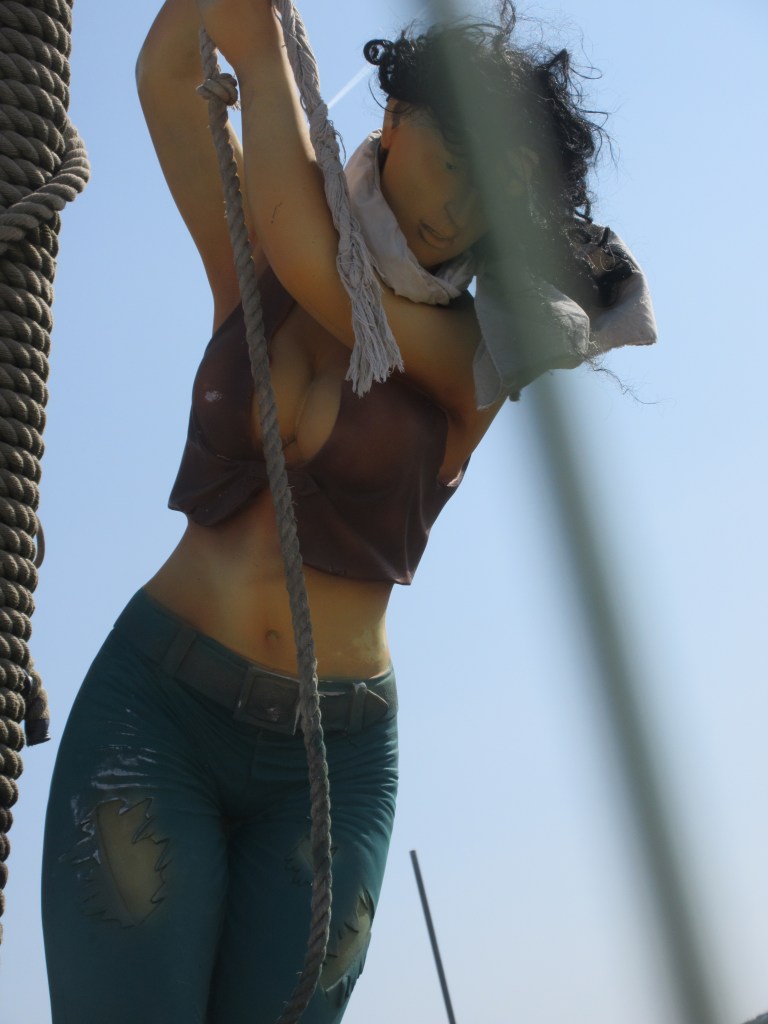
Bright streets mingled with imaginative pirates.
From the town the route round Northam Burrows is a long sweep bringing you back to close to where you started. The view we could see on the other side was close, but some days’ walking away.
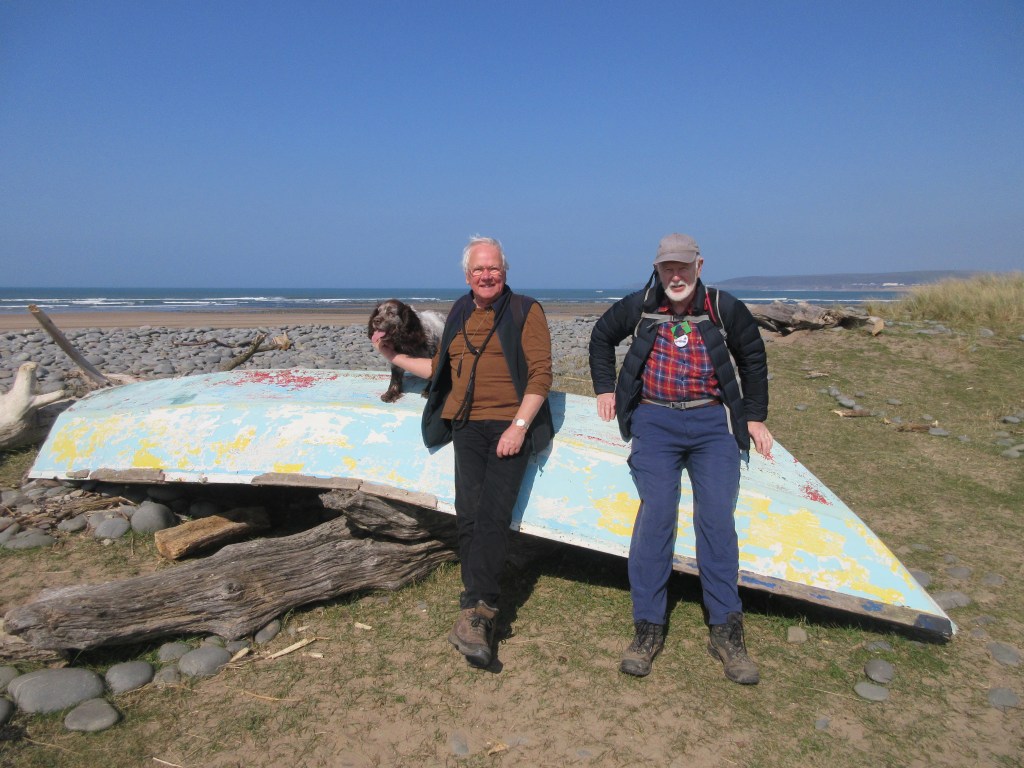
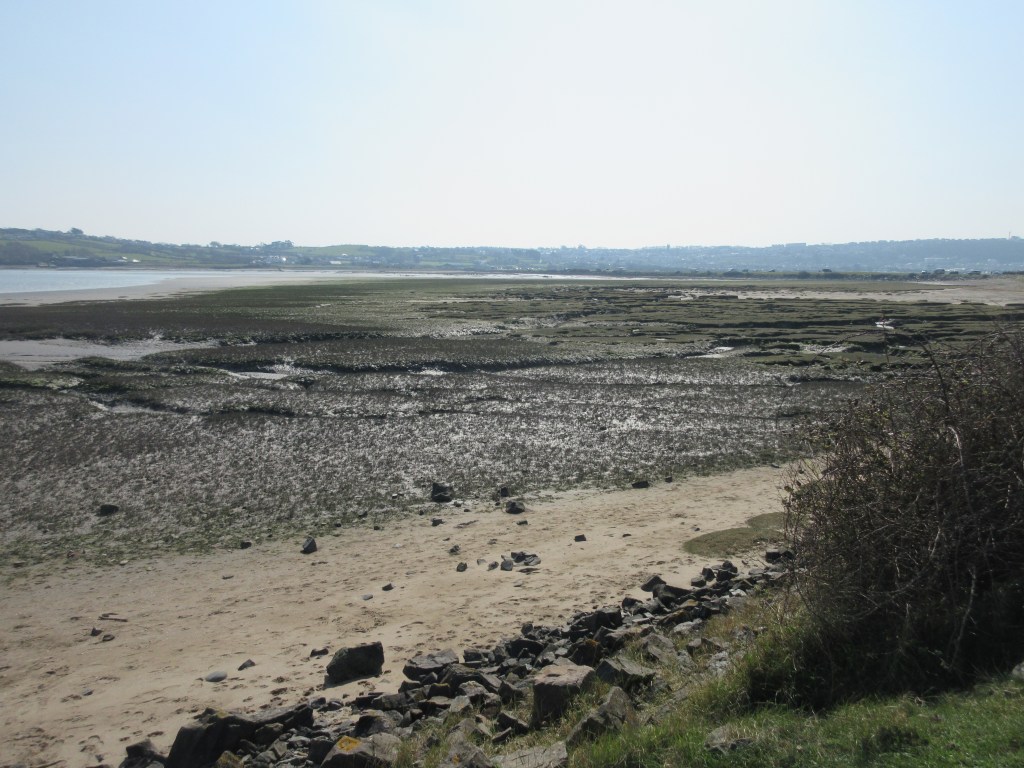
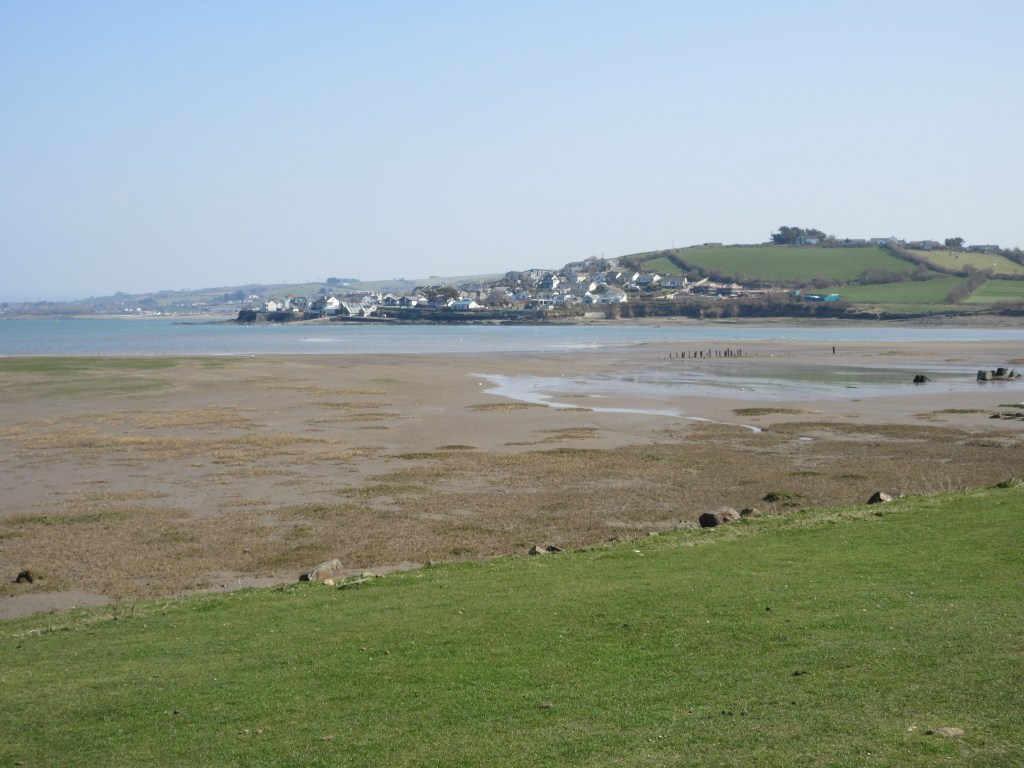
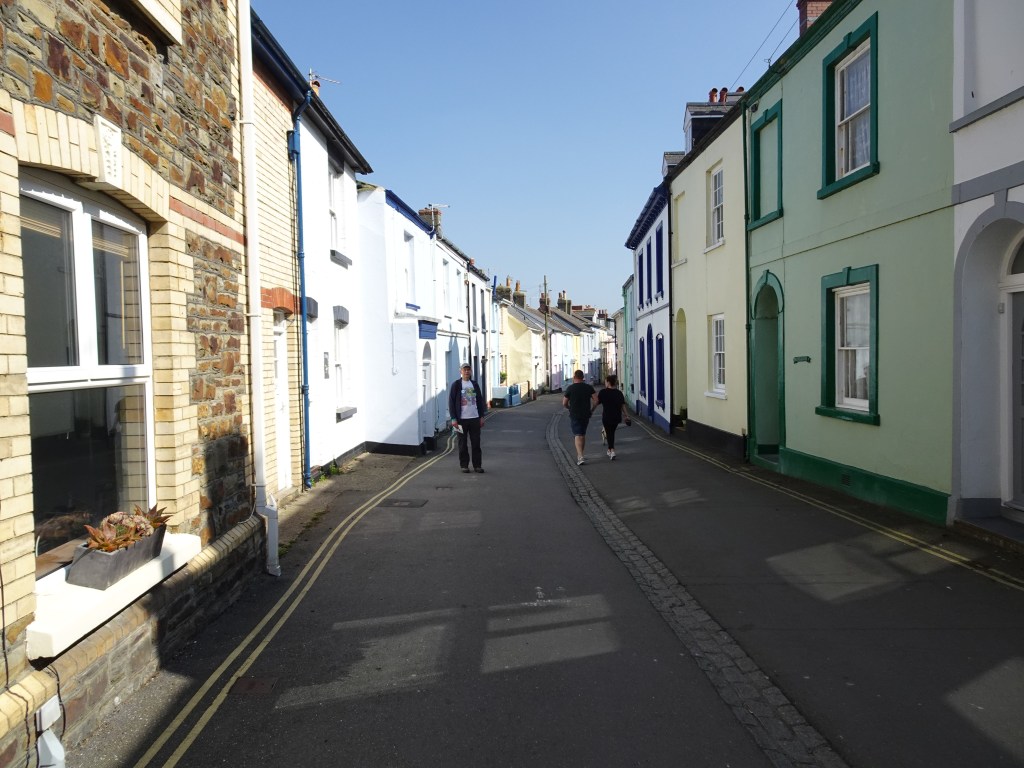
Appledore was a contrast to Westward Ho! In the centre a narrow and attractive main street.
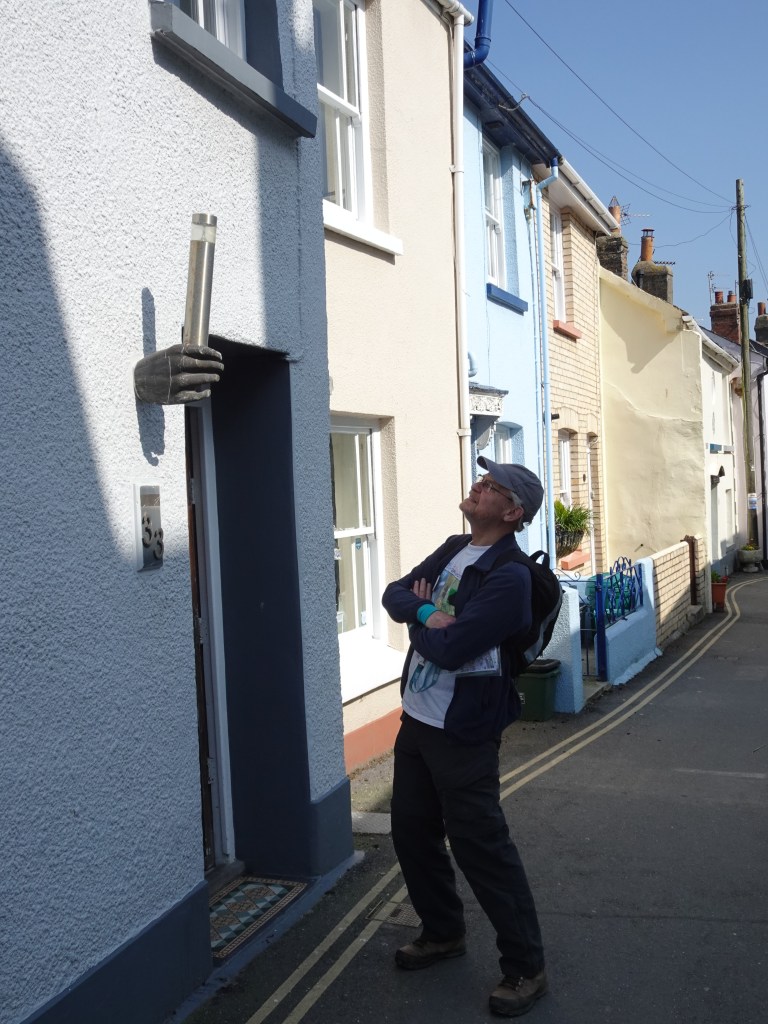
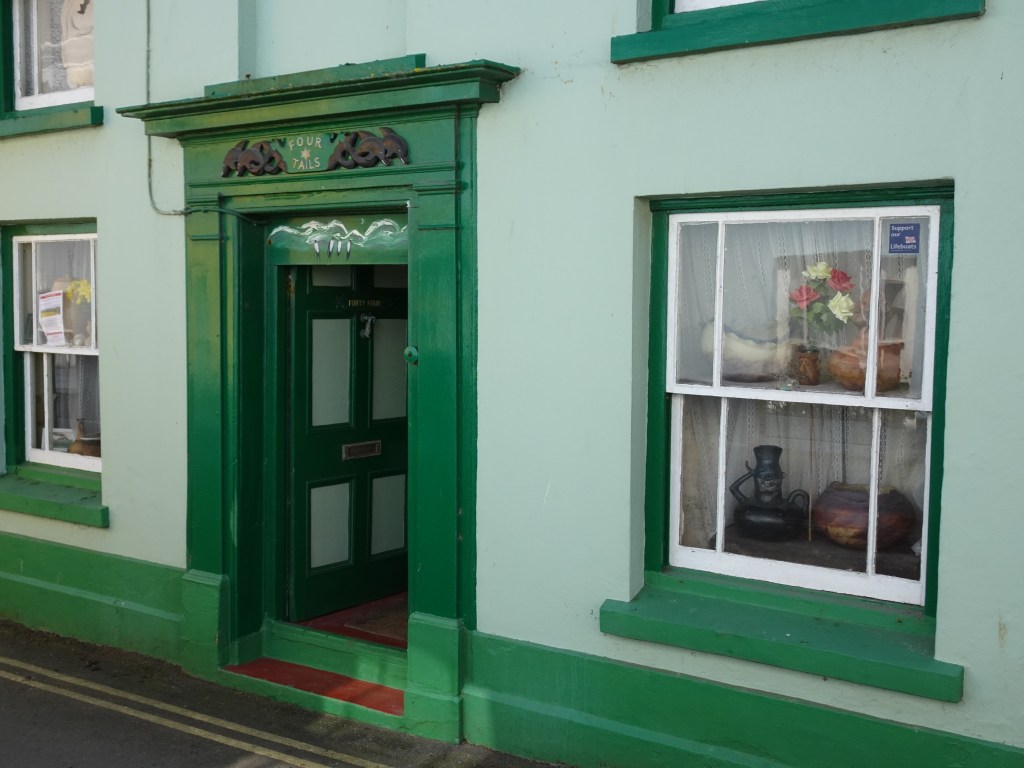
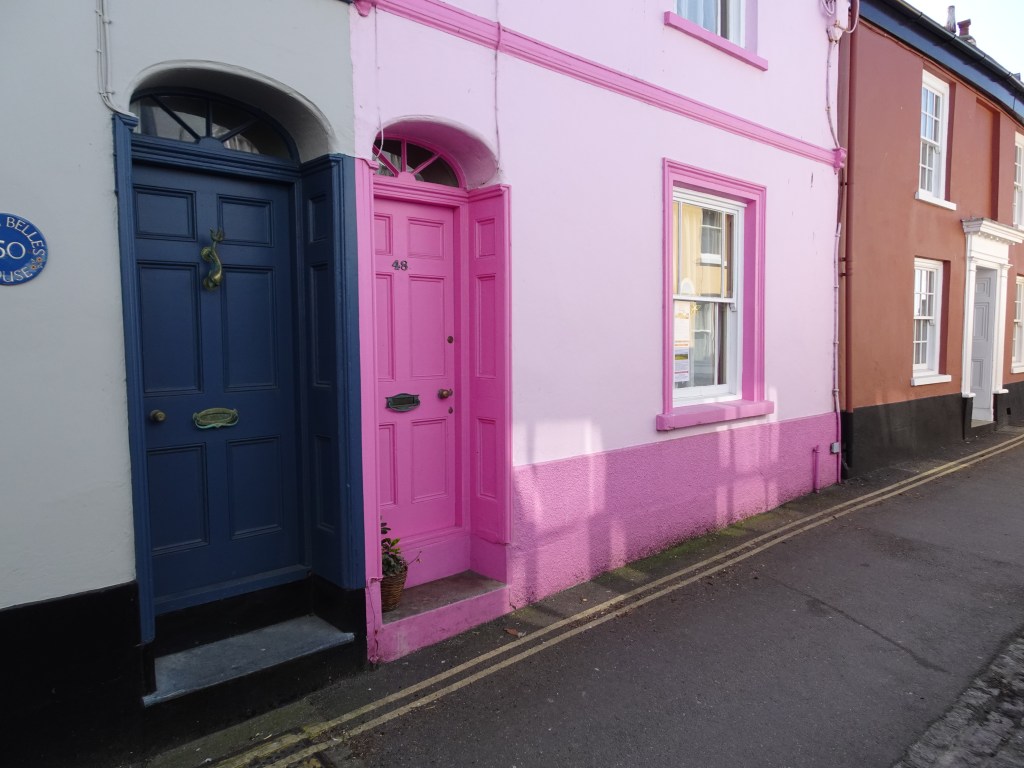
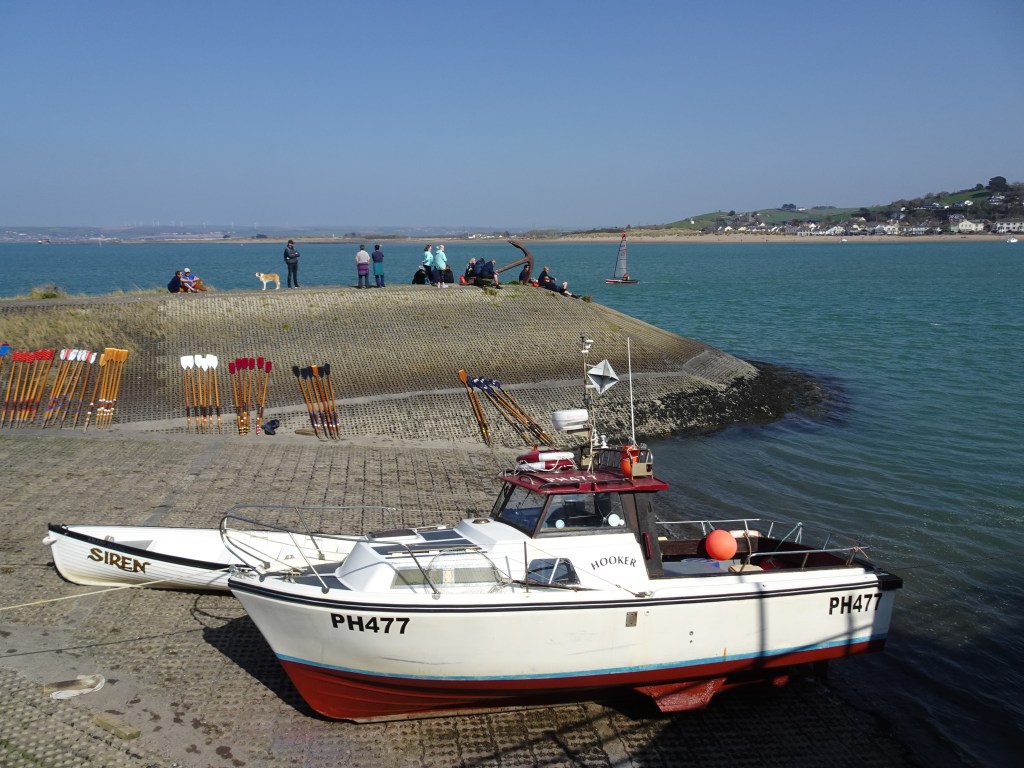
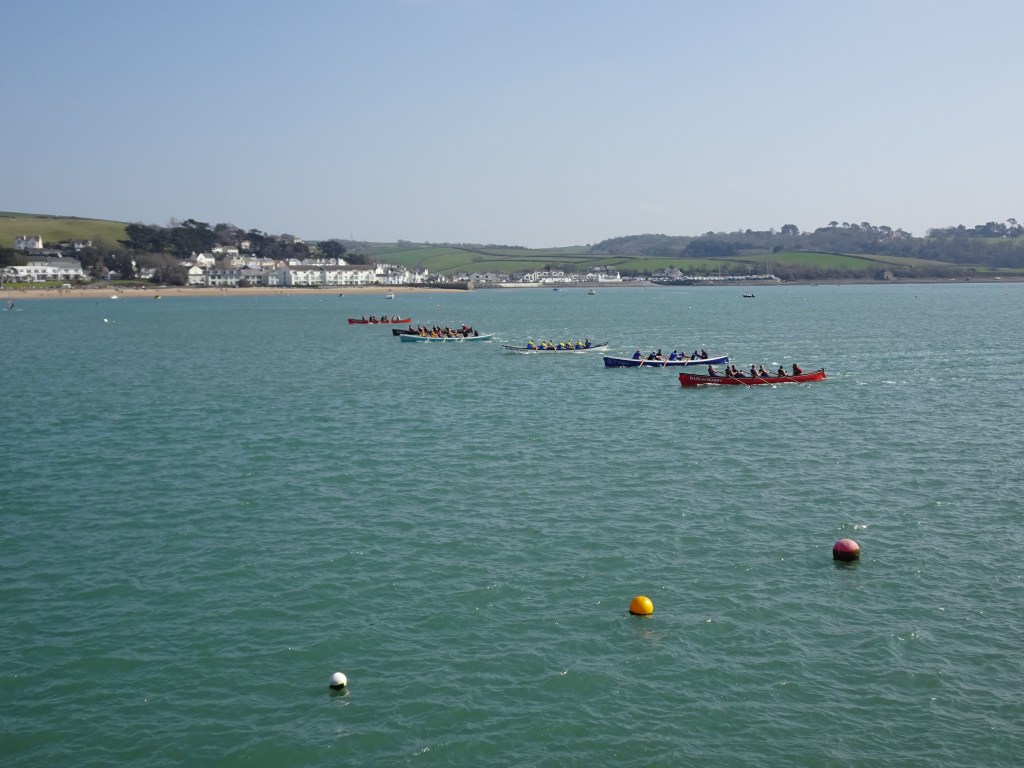
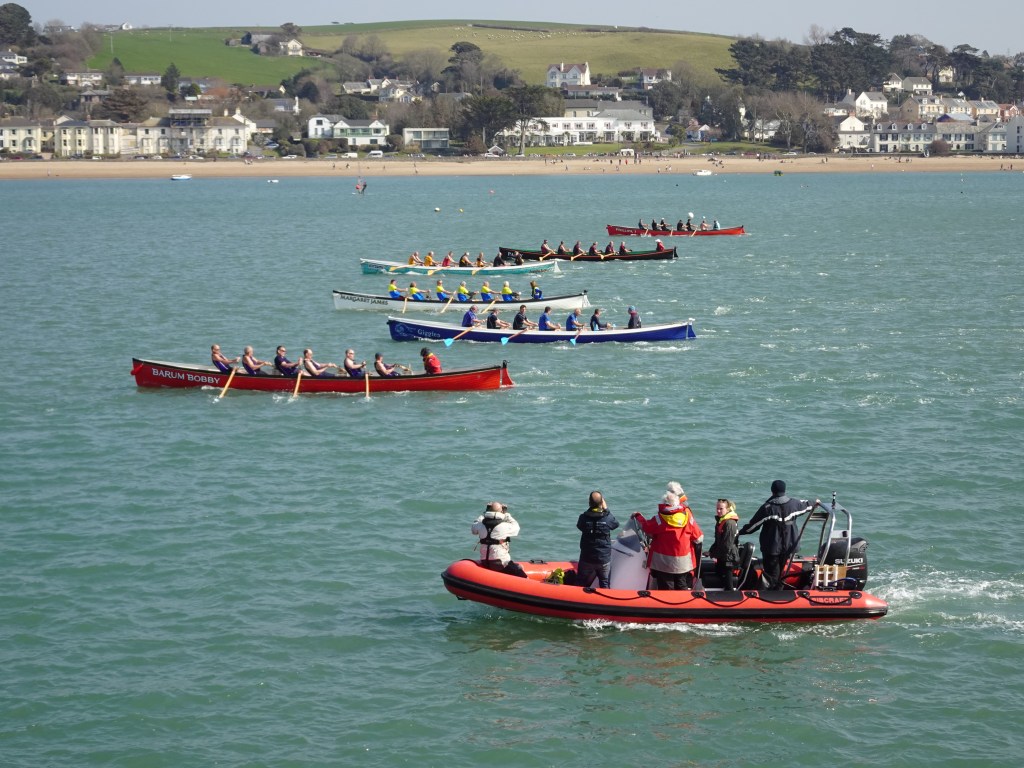
Beyond that gig racing was in full swing. High decibel disco music rang out as crews raced down the river. It was a colourful sight.
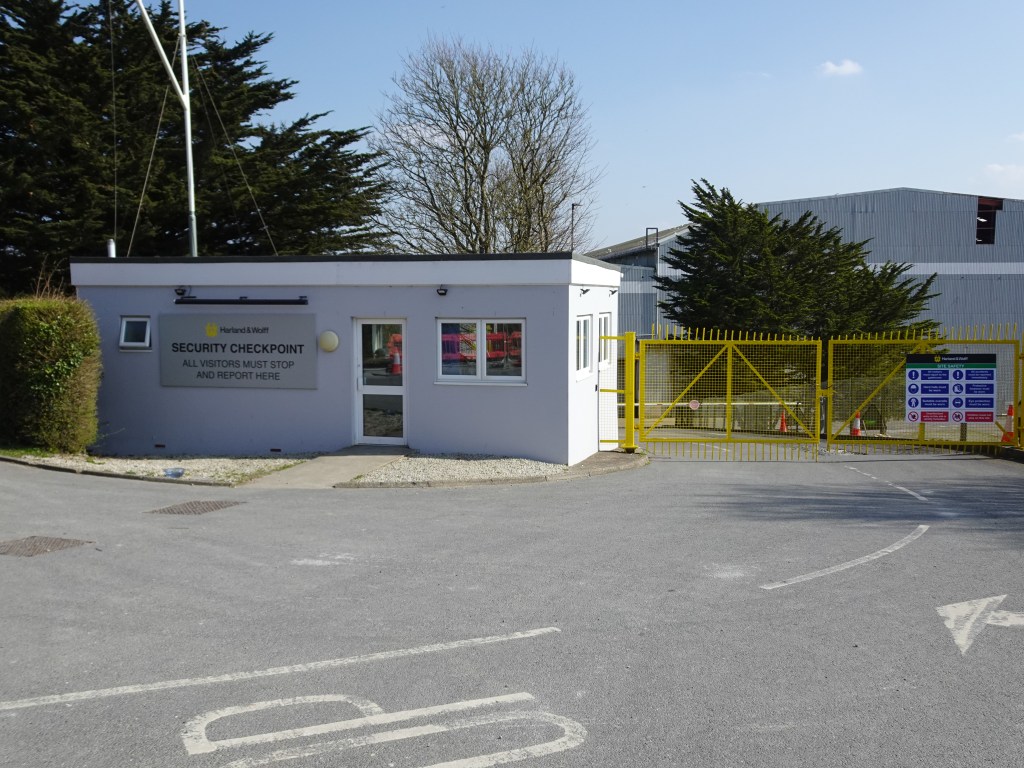
Further up the river we passed the old Appledore Shipyard which is now running again as part of Harland and Wolf.
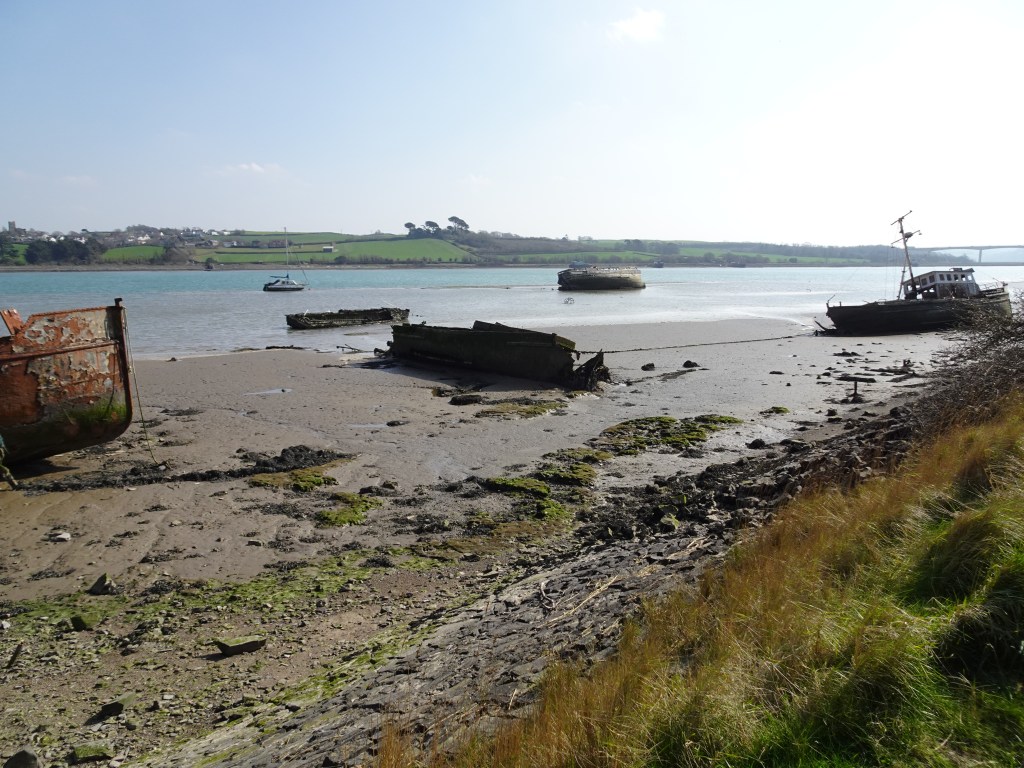
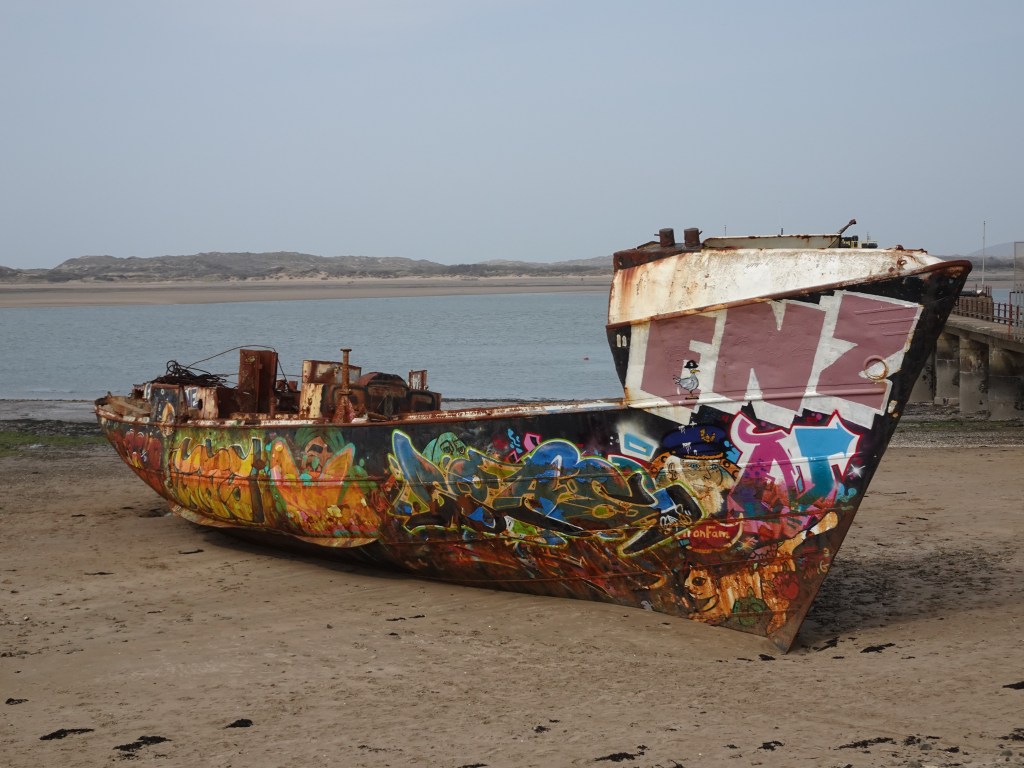
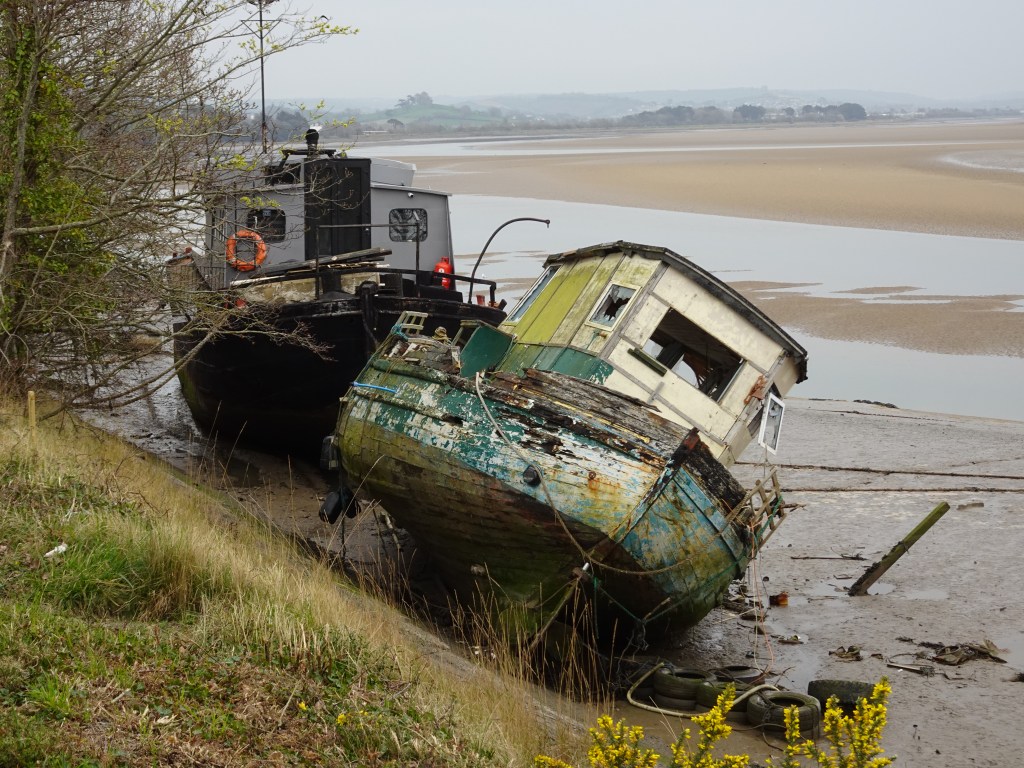
Beyond the shipyard we saw the first group of skeletons. They were characteristic of many others in this estuary world.
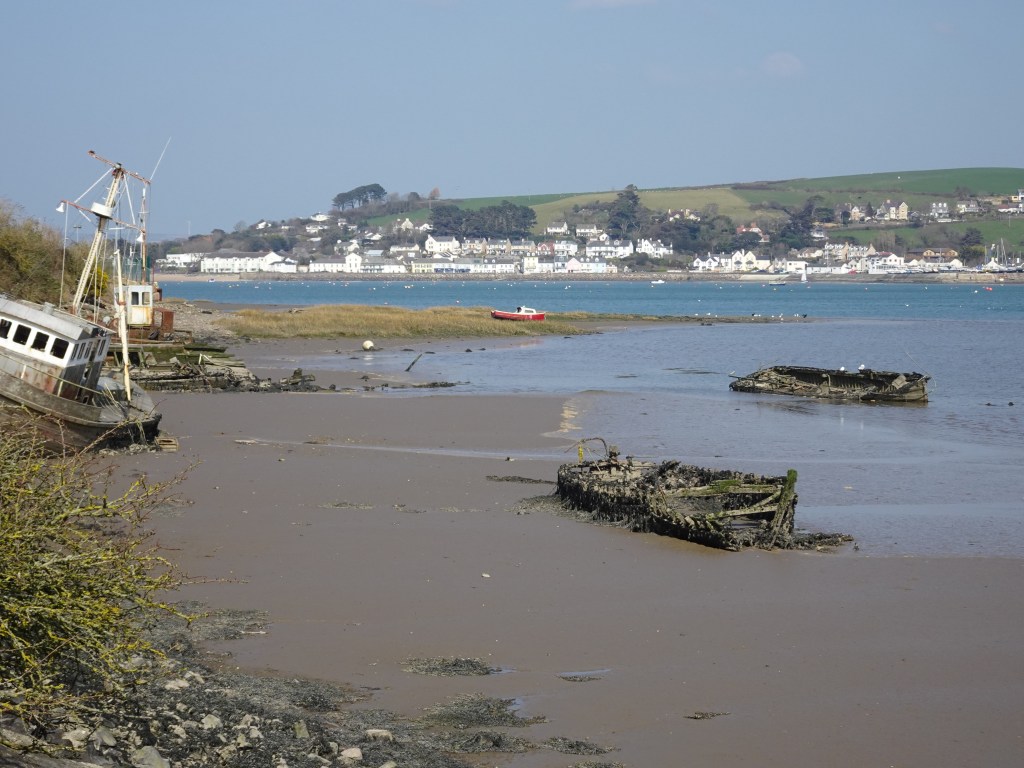
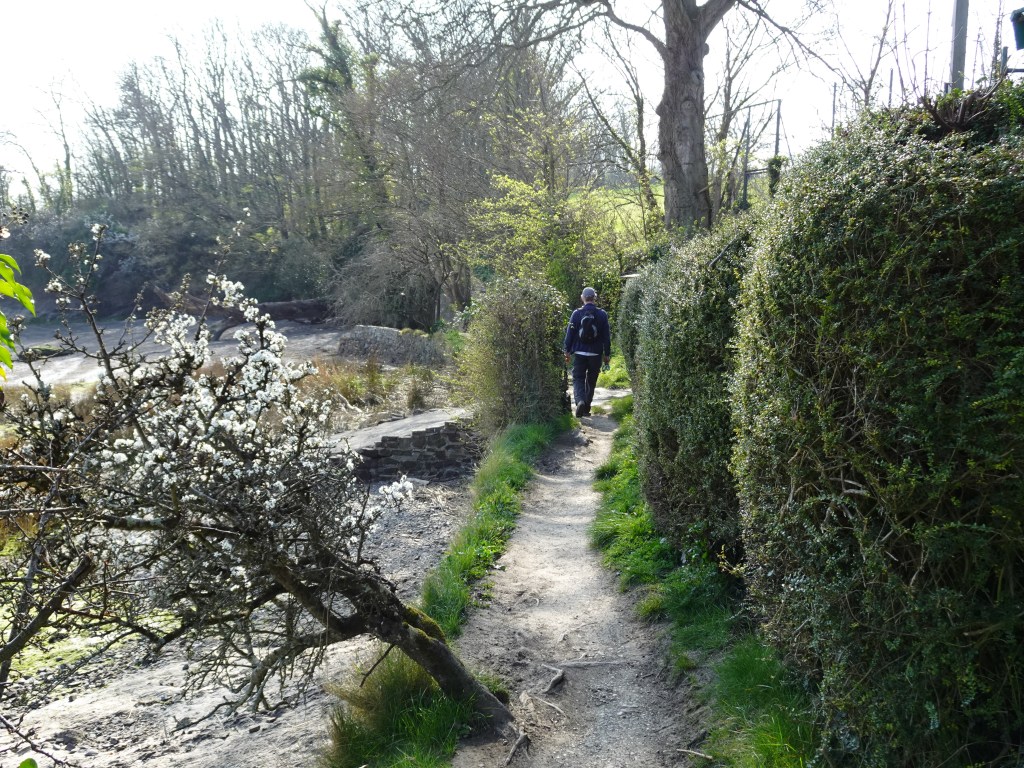
We ended the day in the King’s Arms at Bideford. There was a riot of a party going on with a priority on social proximity – a rare old fashioned pub. Two pints cost £4.80, so the prices were old fashioned too.
This area is Henry Williamson’s land, so it was natural that the next day we should be starting on the Tarka Trail. We joined it on the east bank of the Torridge after crossing the Bideford Long Bridge. Martin had decided that his priority was to hunt down Henry Williamson souvenirs, so left us to do most of the walking. Much of the trail follows old railway lines. As railway engineers like flat straight lines, the trail conforms.
Walking along this bank we passed more skeletons, interspersed with old fishing boats that were obviously liveaboards.
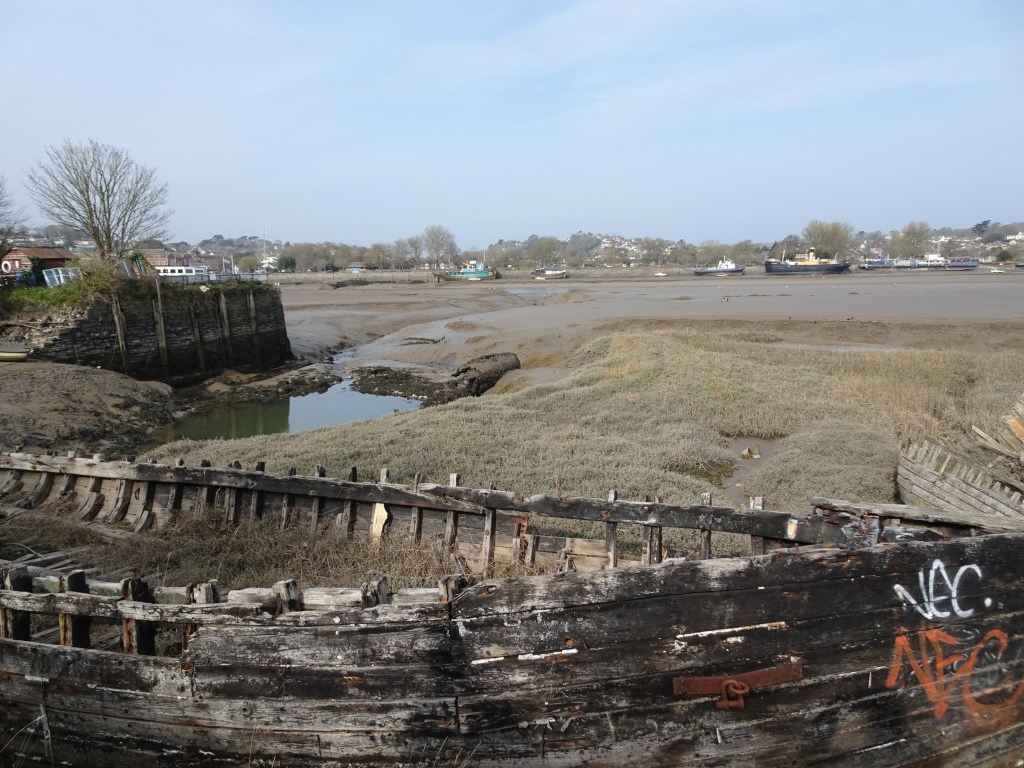
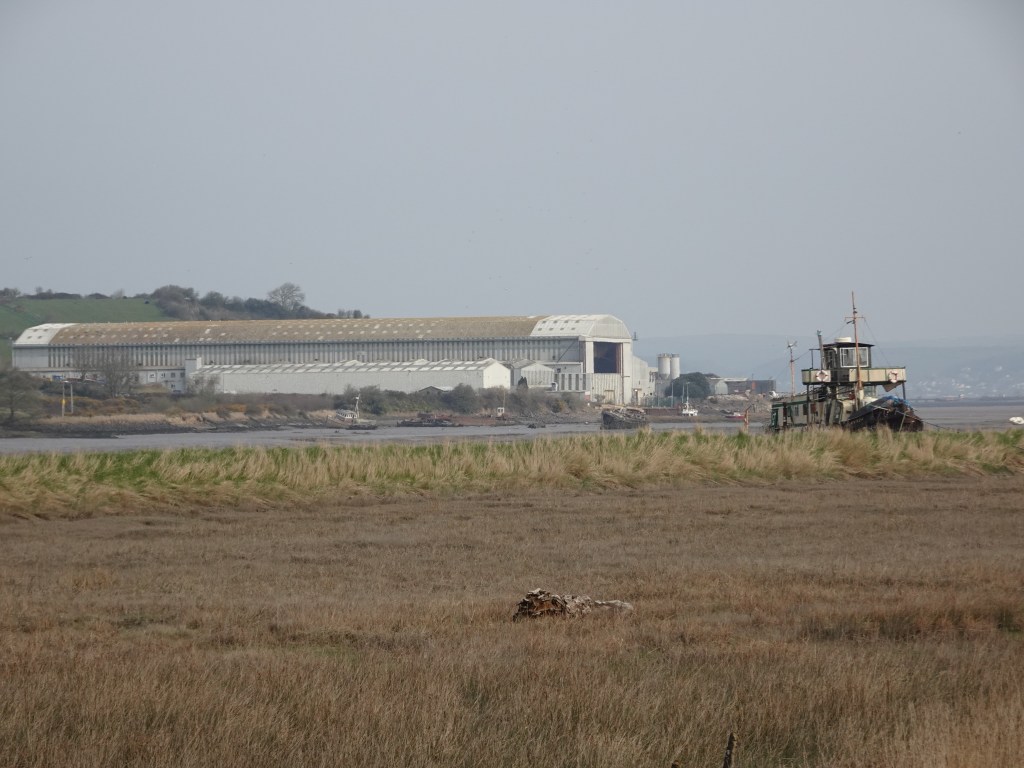
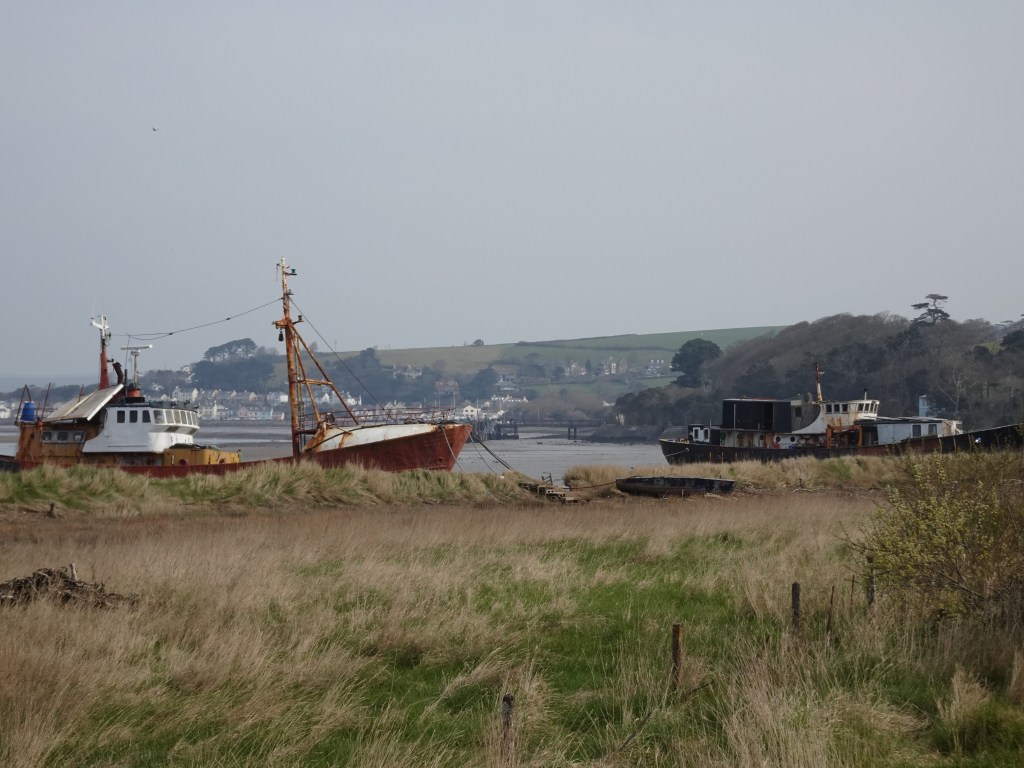
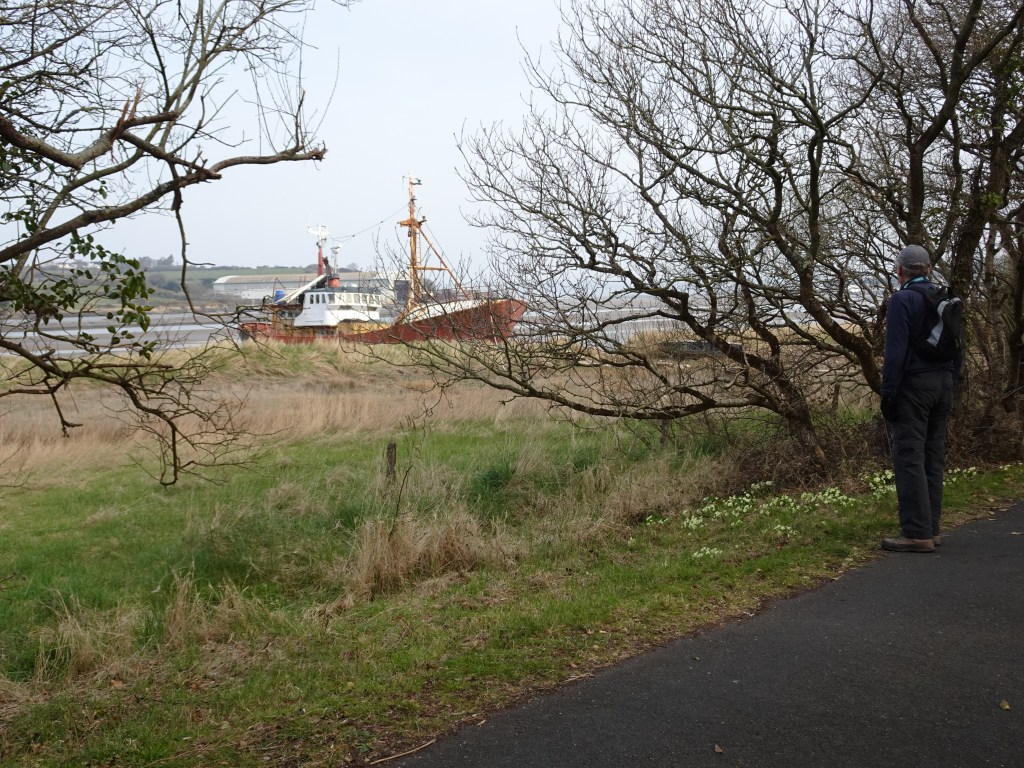
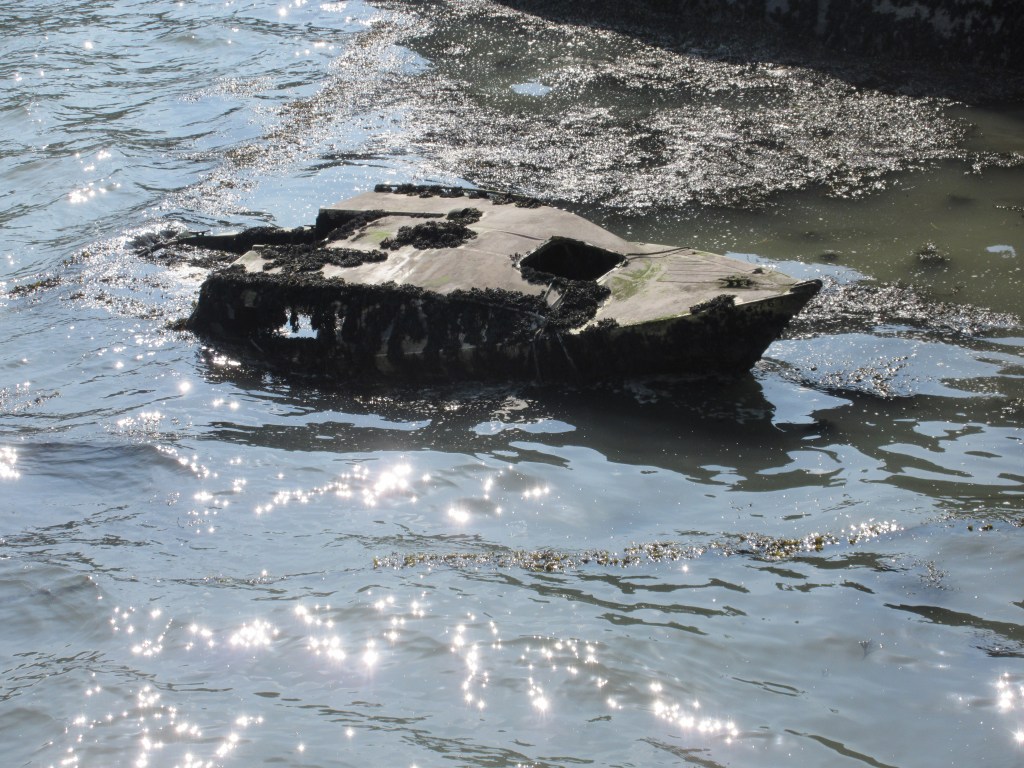
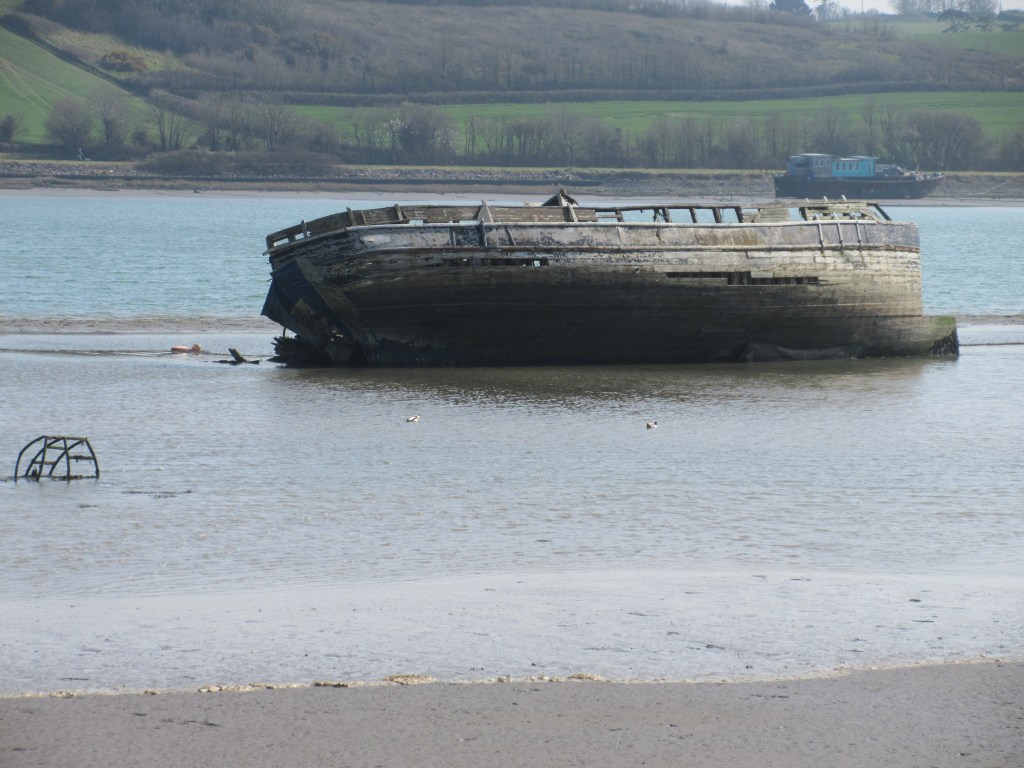
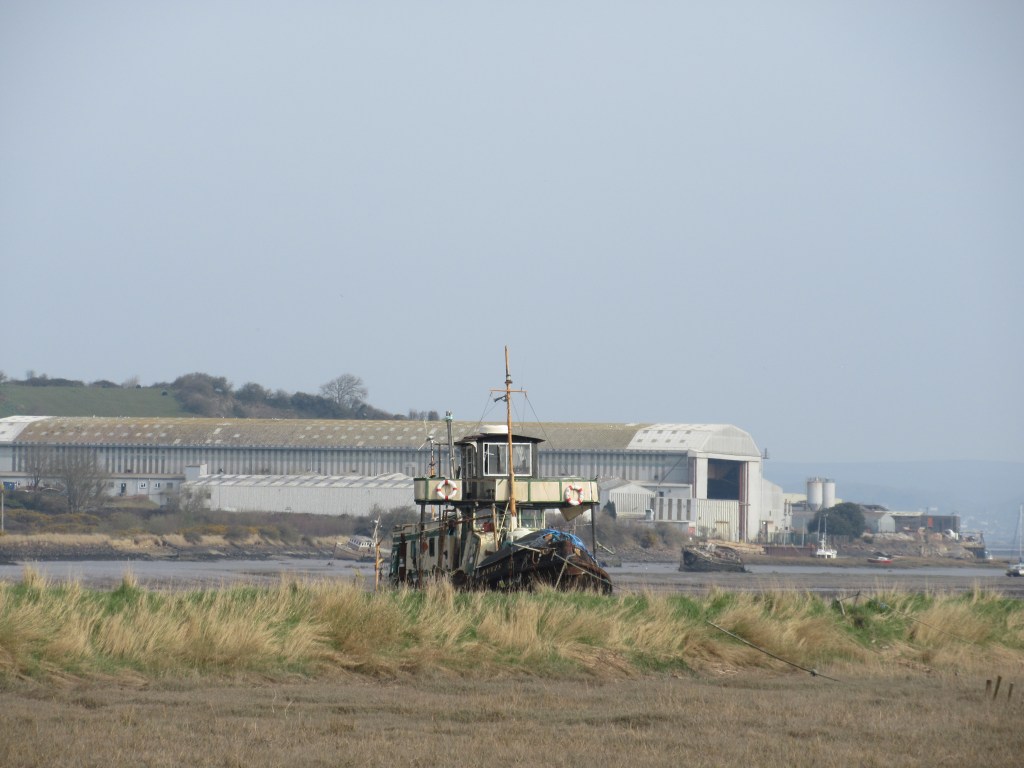
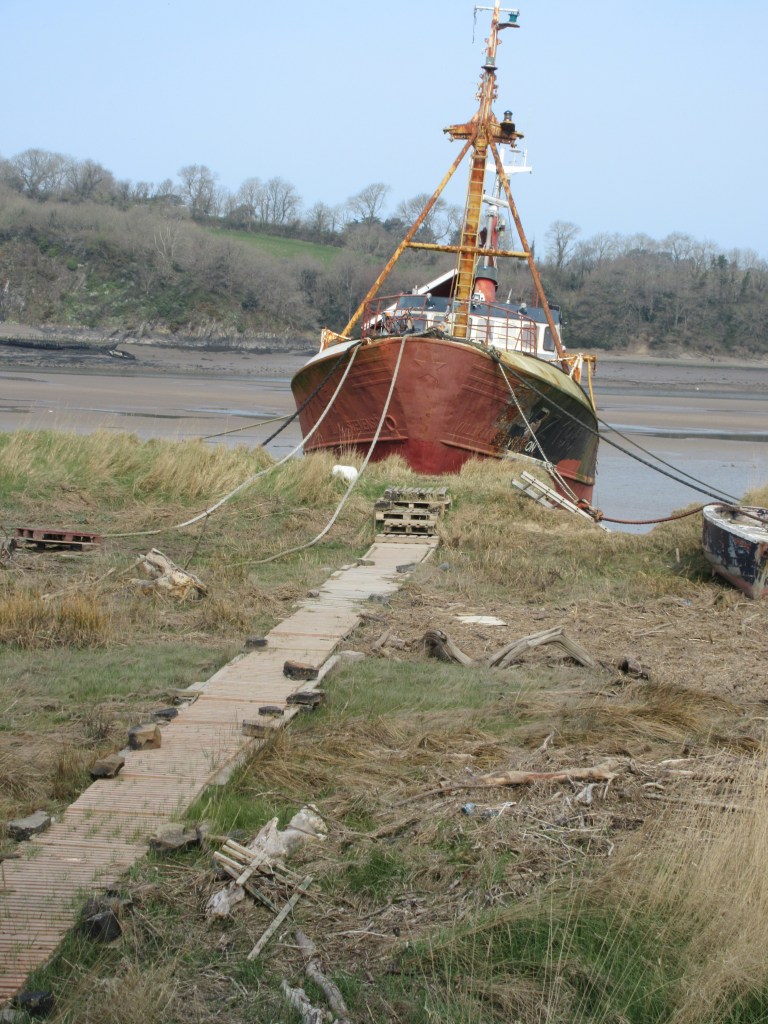
Most of the walk that day was flat tarmac on former railway with the occasional diversion to the estuary edge.
We began to tire of the hard surface. I thought the engine drivers might have enjoyed the long straight parts, but they seem to have been limited to 25 mph. We progressed more slowly than that and arrived in Barnstaple in the afternoon. The King’s Arms gave us some liquid relief.
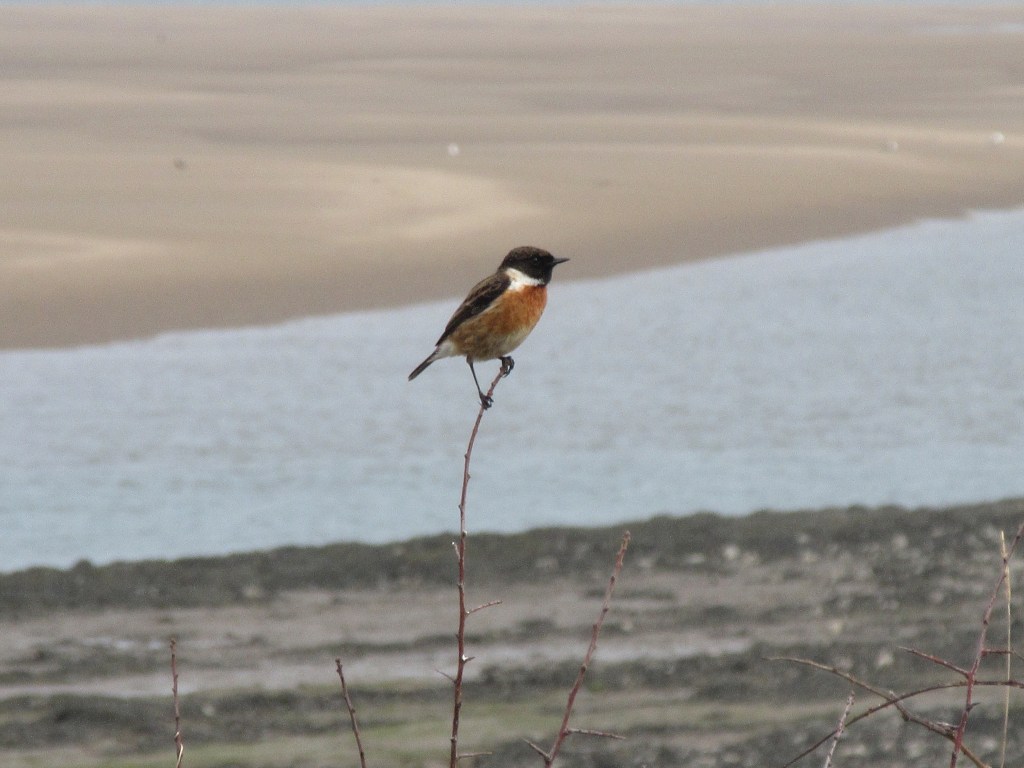
The trail from Barnstaple was more of the same – a long flat haul to Braunton passing the marine barracks at Chivenor towards the end.
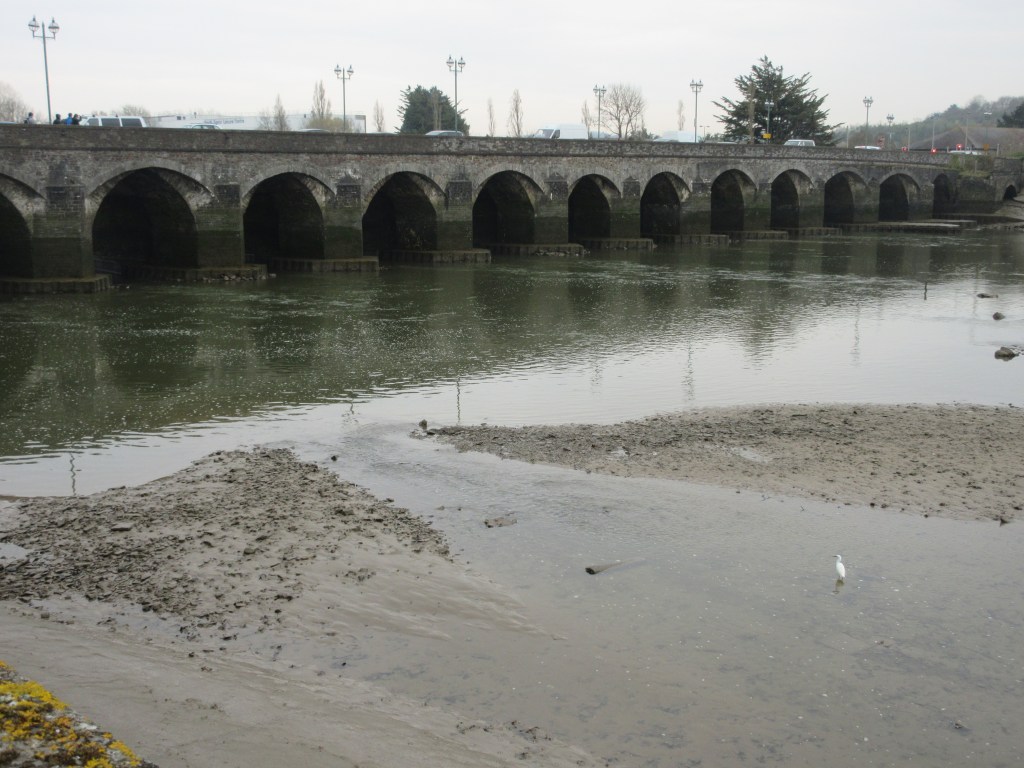
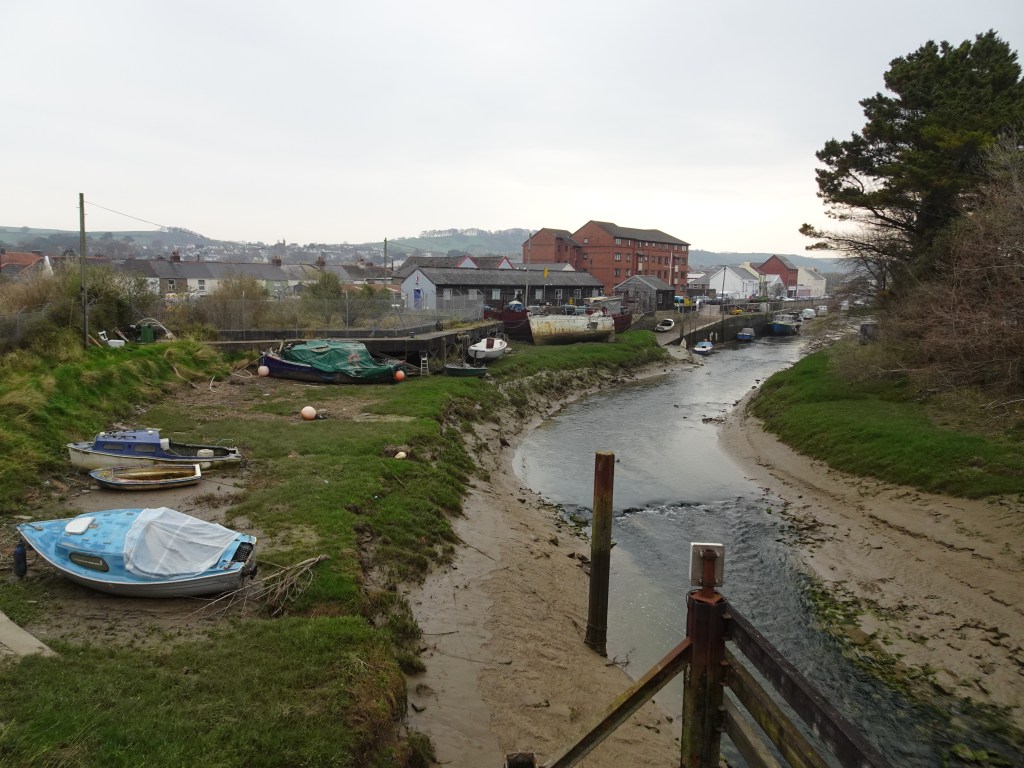
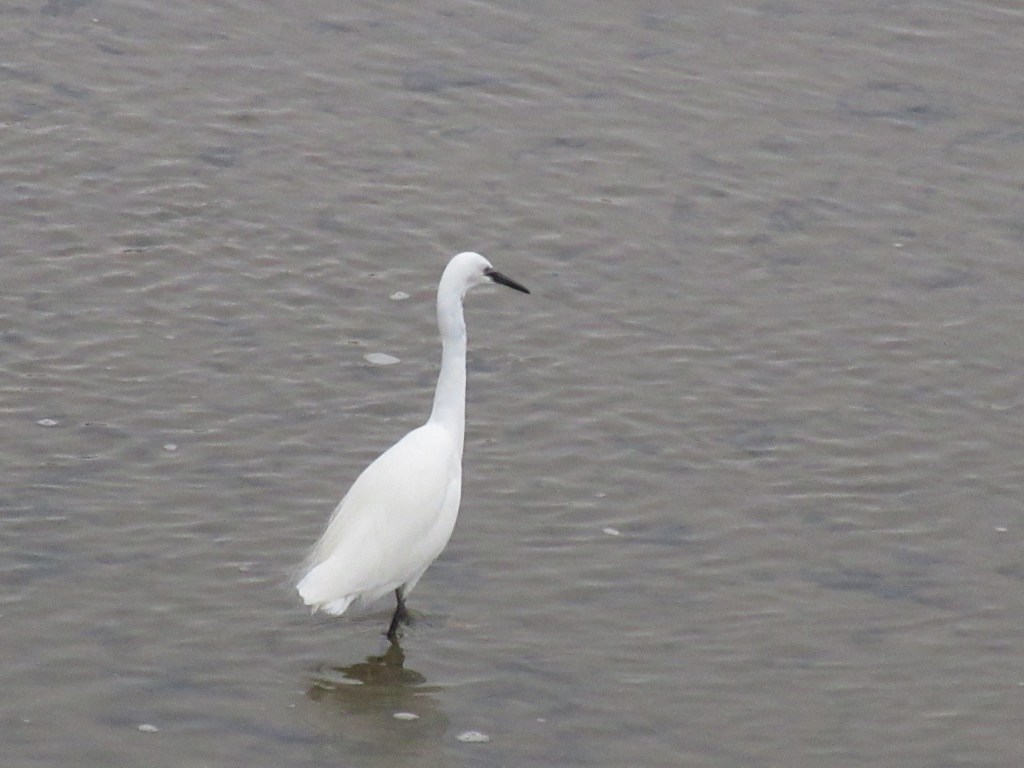
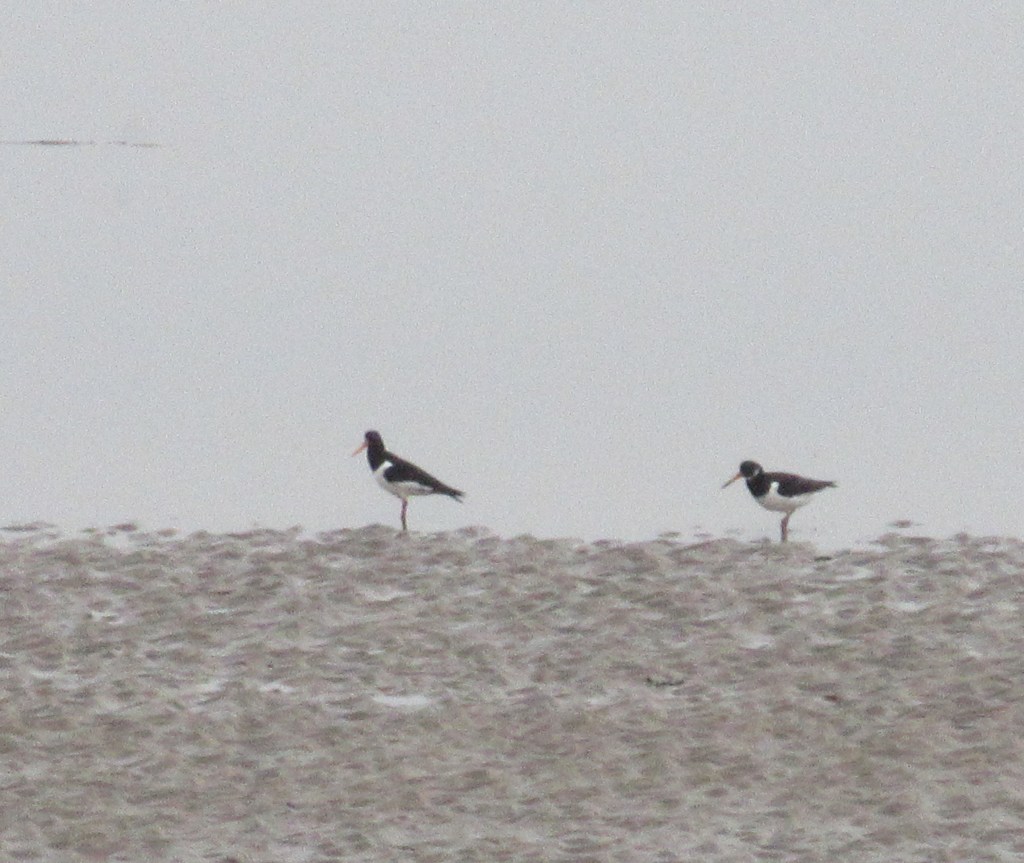
The estuary bird life livened up the view.
After Braunton the Tarka Trail leaves the railway and follows the River Caen. On a misty morning the skeletons formed a chaotic mix with more liveaboards.
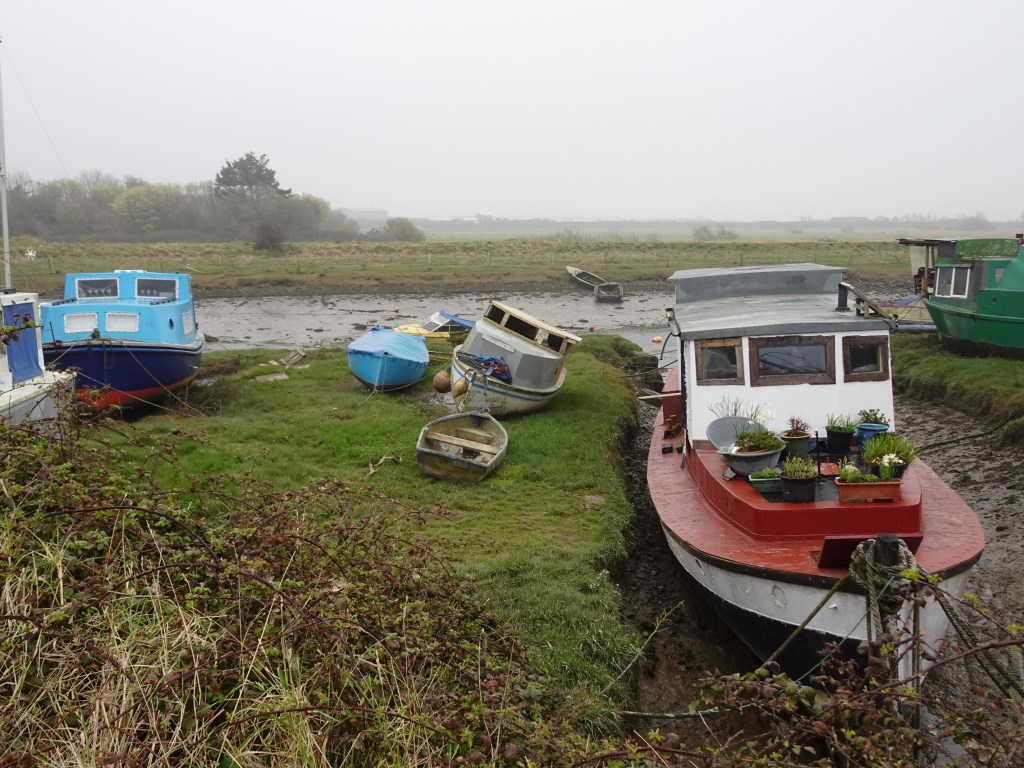
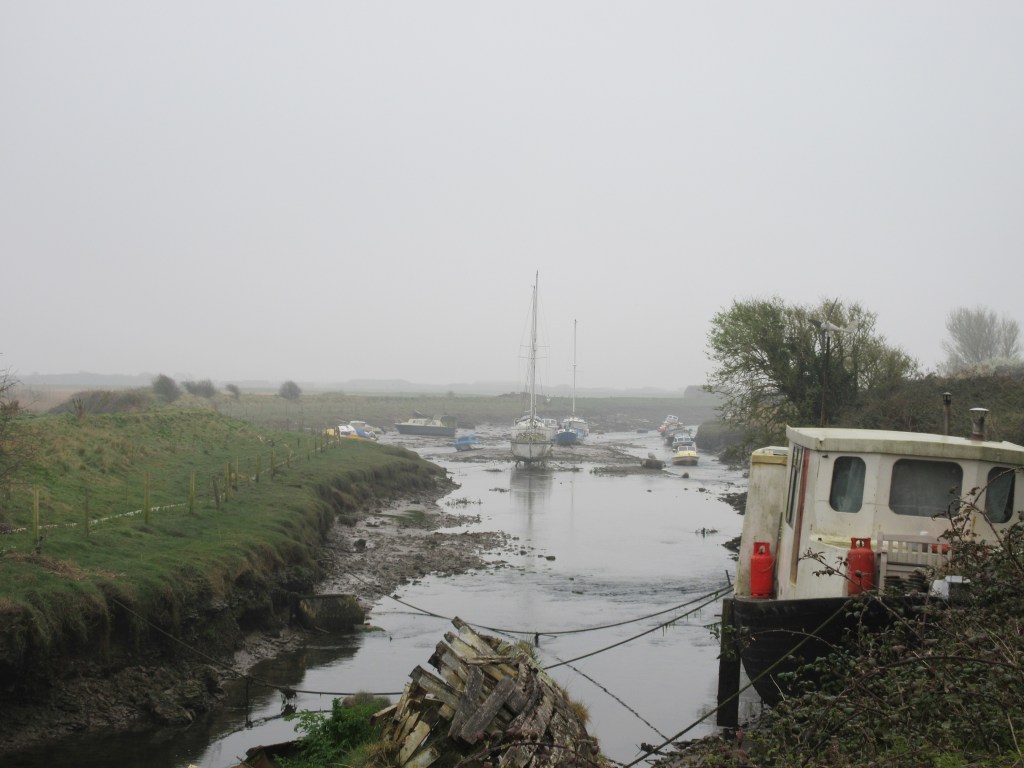
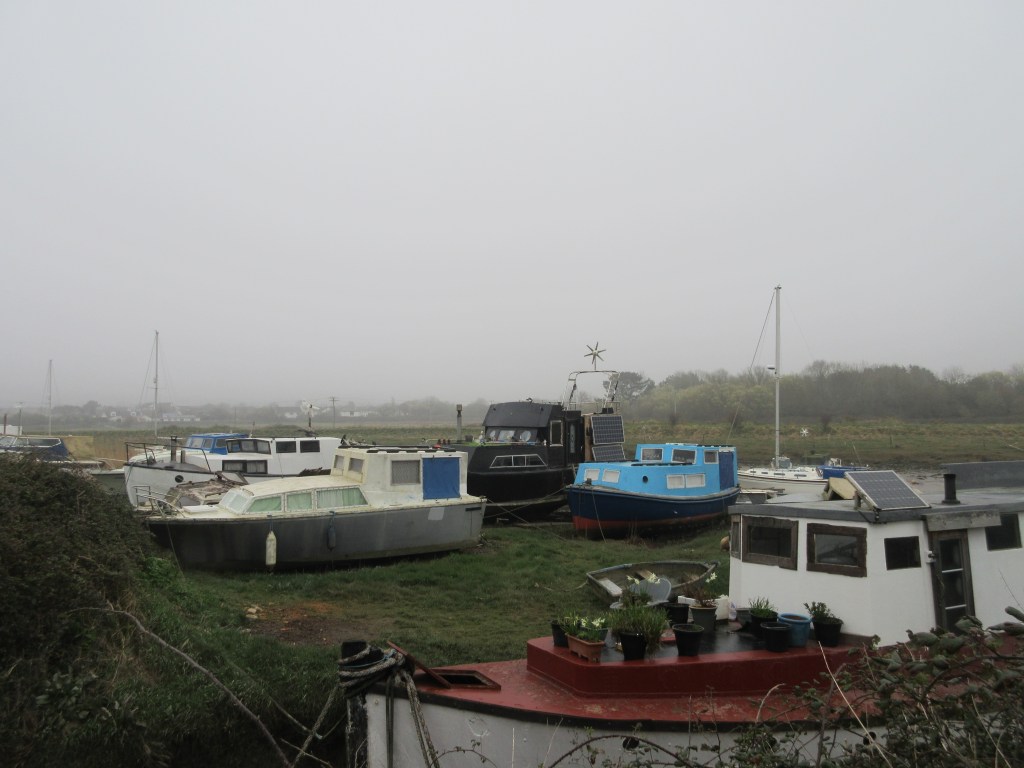
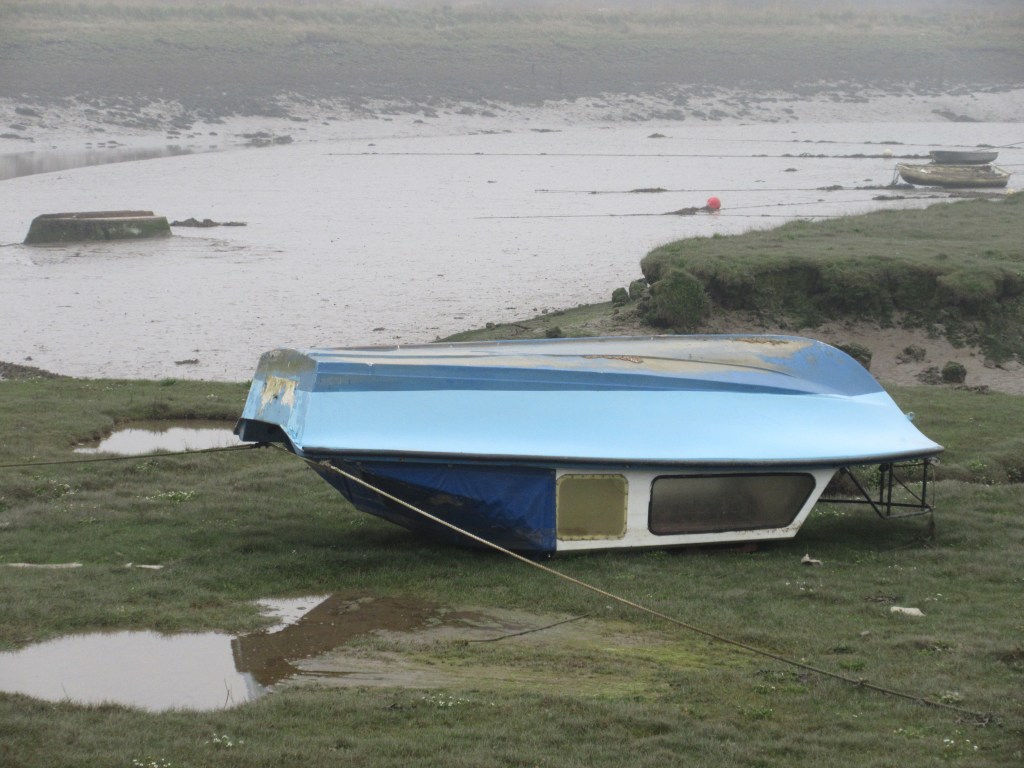
The presence of so many dead and dying boats was a contrast with the south coast where there are few to be seen. Here the shelter of the long estuary allows boats a slow death. On the south coast they would be destroyed very quickly by the prevailing weather.
Further on we saw the impact of the tide. Horsey Island was until 2017 an area of reclaimed marshland. As a result of rising tides the seawall was breached then, and the area is now flooded on every tide. The decay of the earlier cultivation and buildings creates a ghost-like environment as well as a reserve for wading birds.
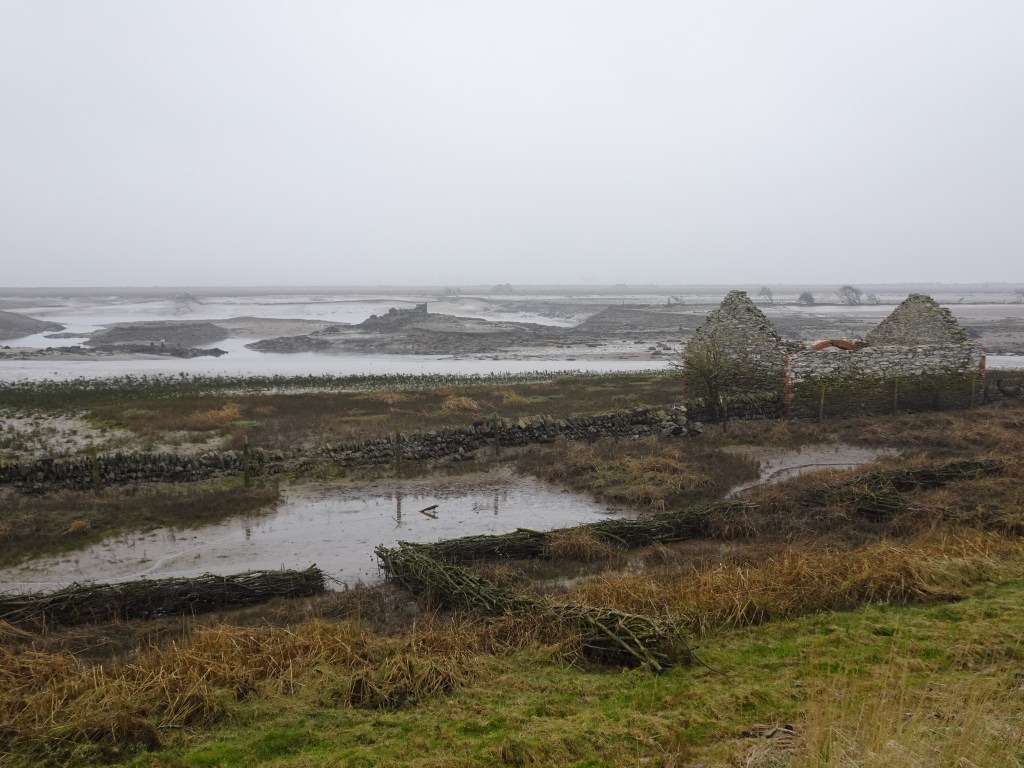
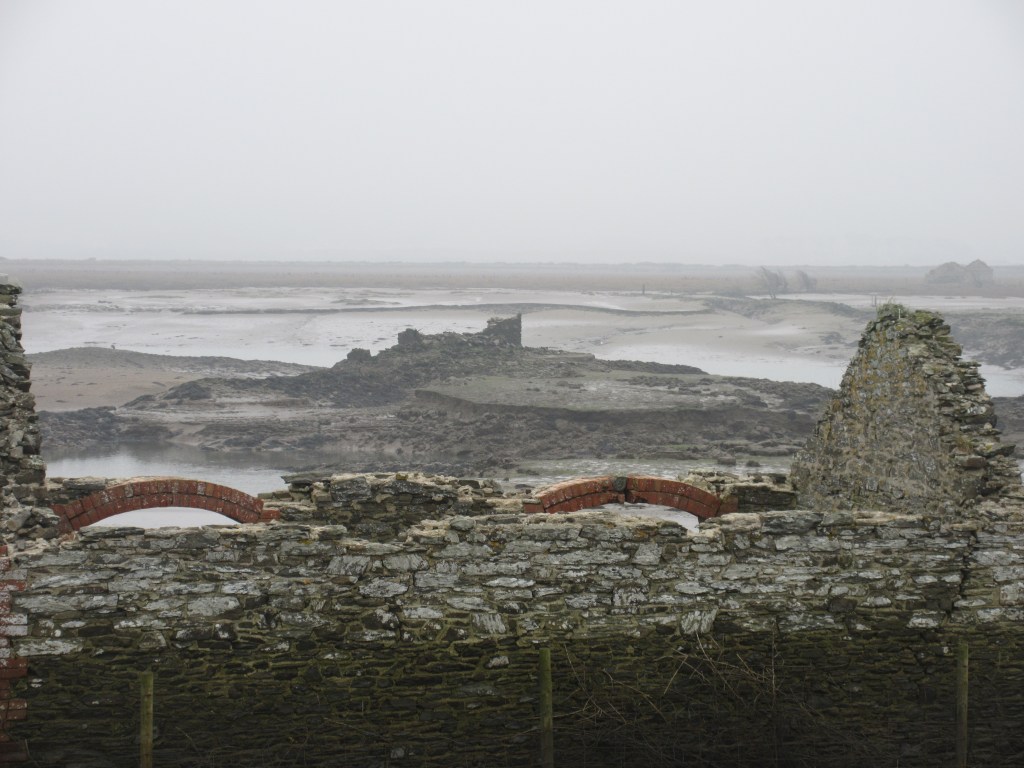
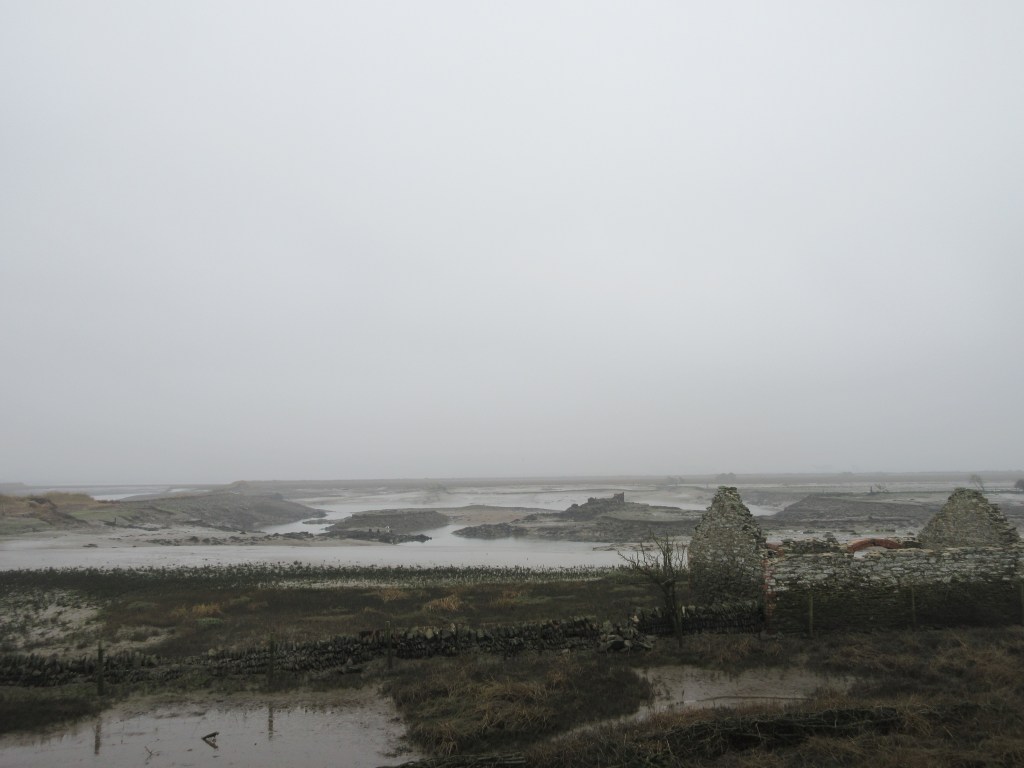
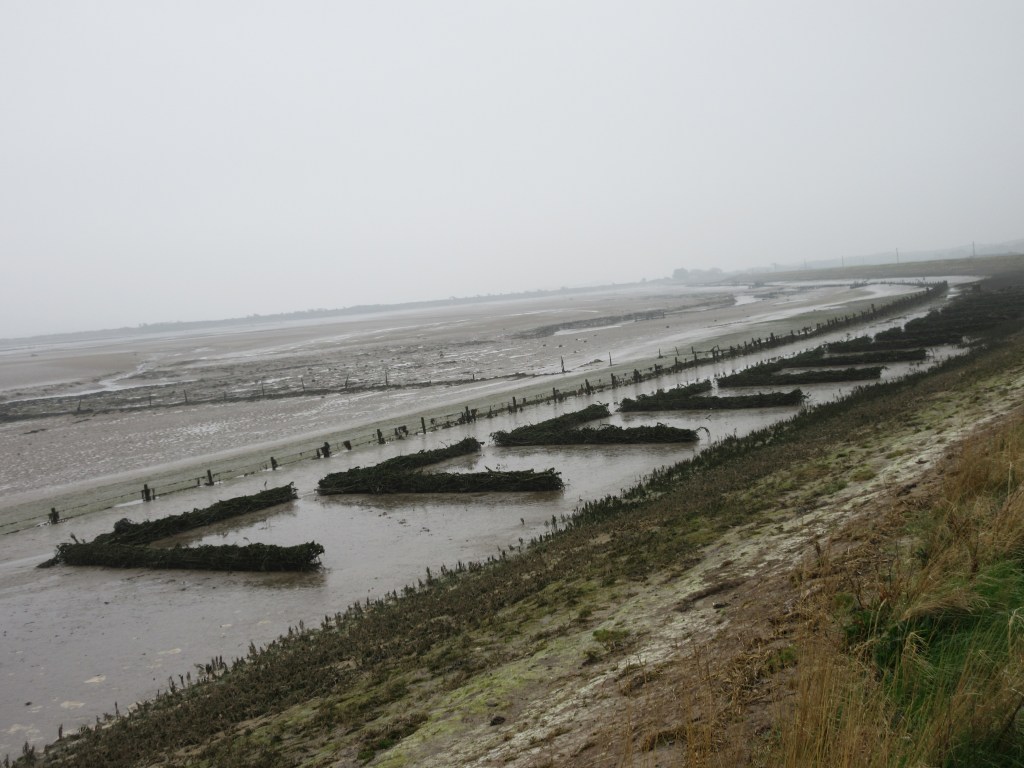
Beyond Horsey we met Martin and Sally and headed for Crow Point. We were now just over a kilometre away from where we had been three days before. Ahead of us the wonderful beaches of Saunton Sands and Woolacombe Sand. We were lucky to have low water in the middle of the day and therefore able to walk these beaches. The firm sand was a joy to walk on and so much nicer than Tarka’s tarmac.
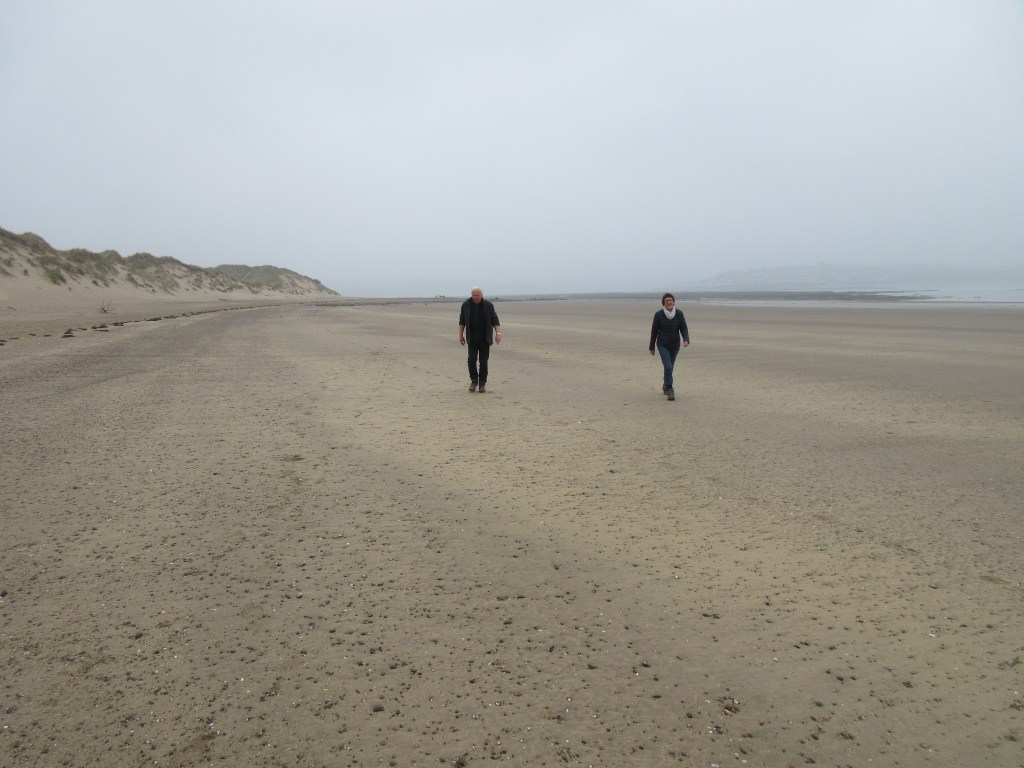
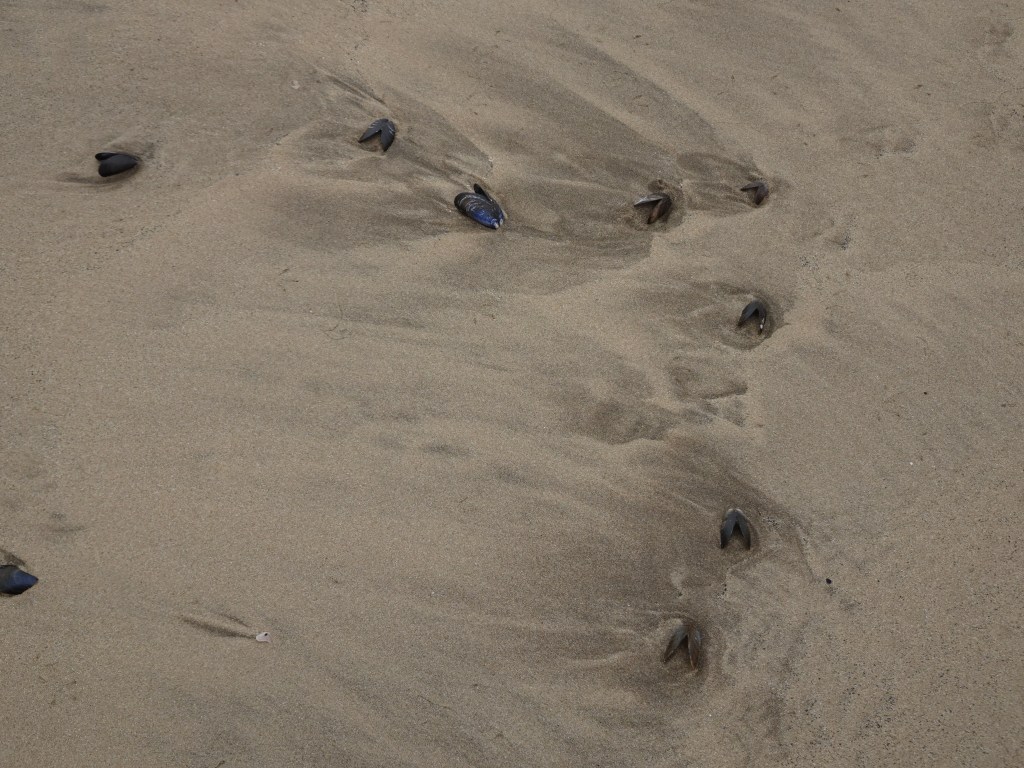
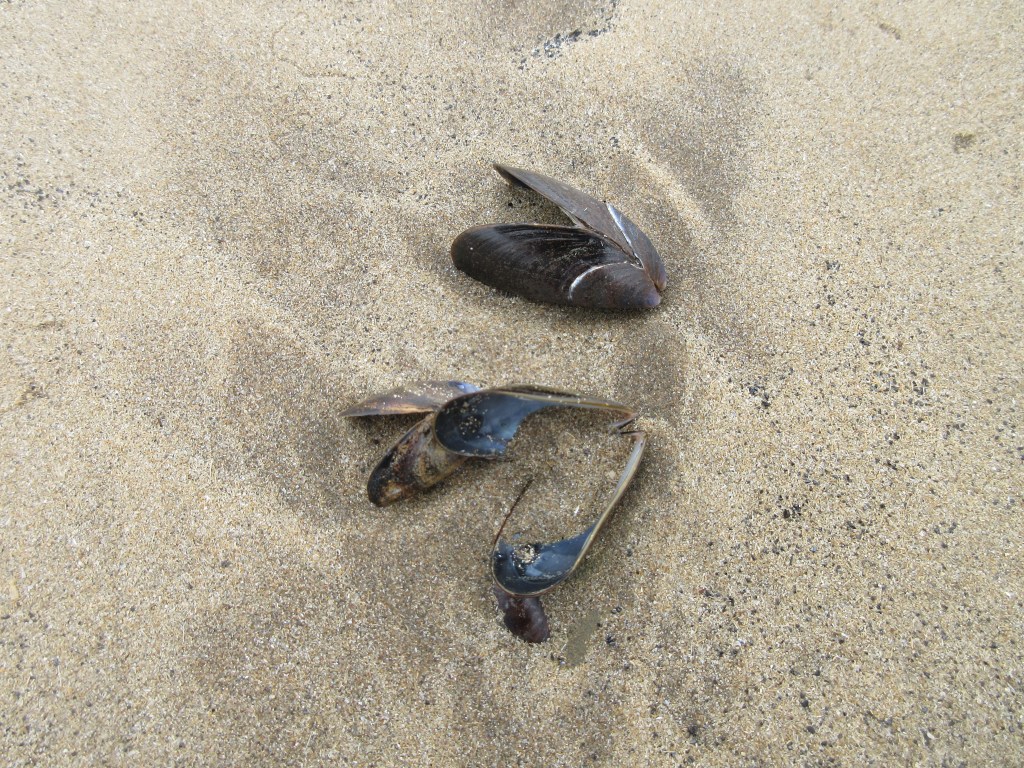
To the east of Saunton Sands lay the dunes of Braunton Burrows. It is one of the largest areas of dunes in the UK with a history that includes the training of US troops before D-Day. Intriguingly the current use of the area by MoD tracked vehicles is part of the land management of the dunes.
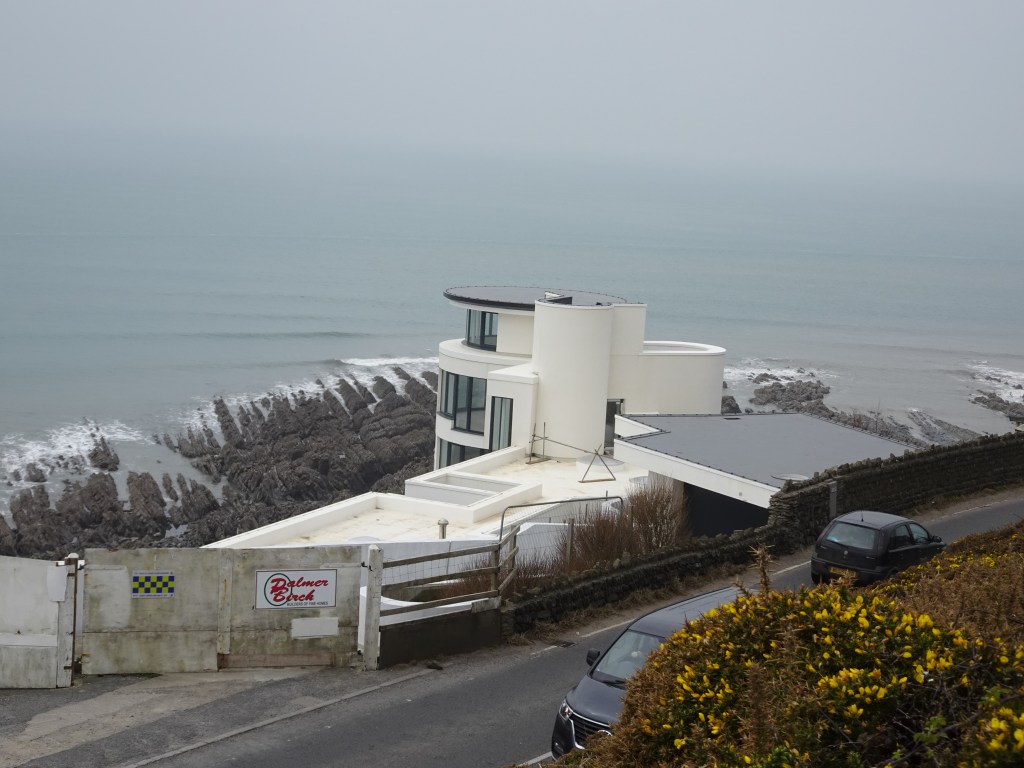
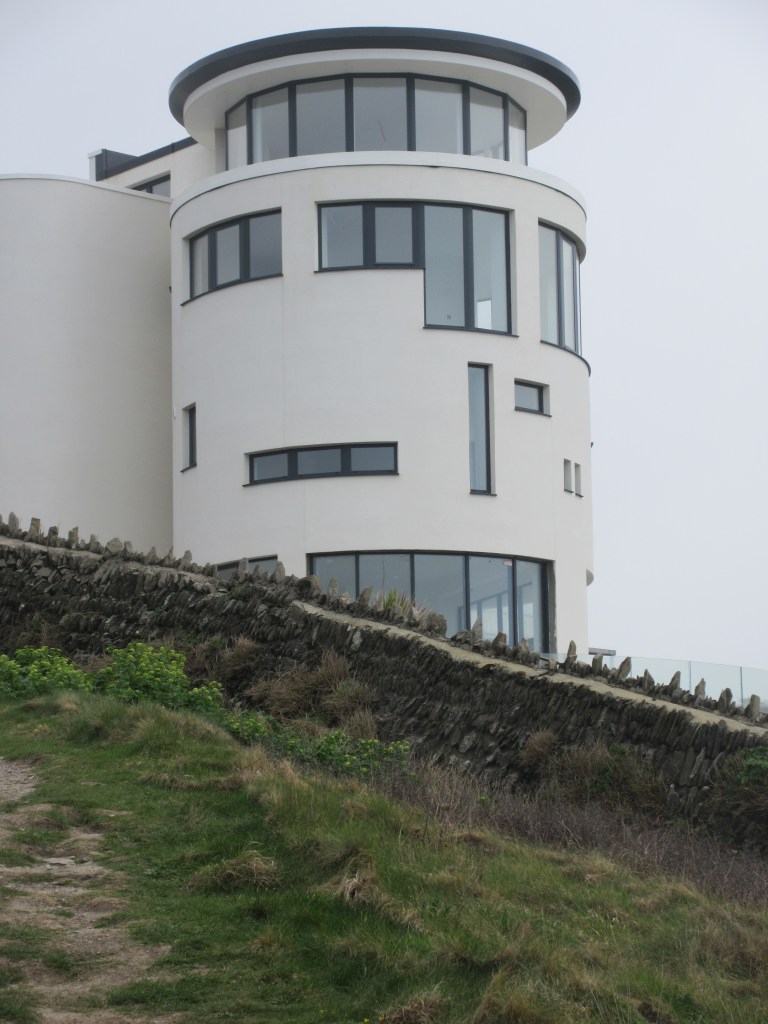
Past Saunton there was a short headland before Croyde. Here we passed what has been described as the “saddest ever Grand Designs episodes”. The development of this lighthouse styled luxury house has been a personal and financial disaster for its creator. It is now close to being sold.
Beyond Croyde Baggy Point reminded us that the path is not always flat.
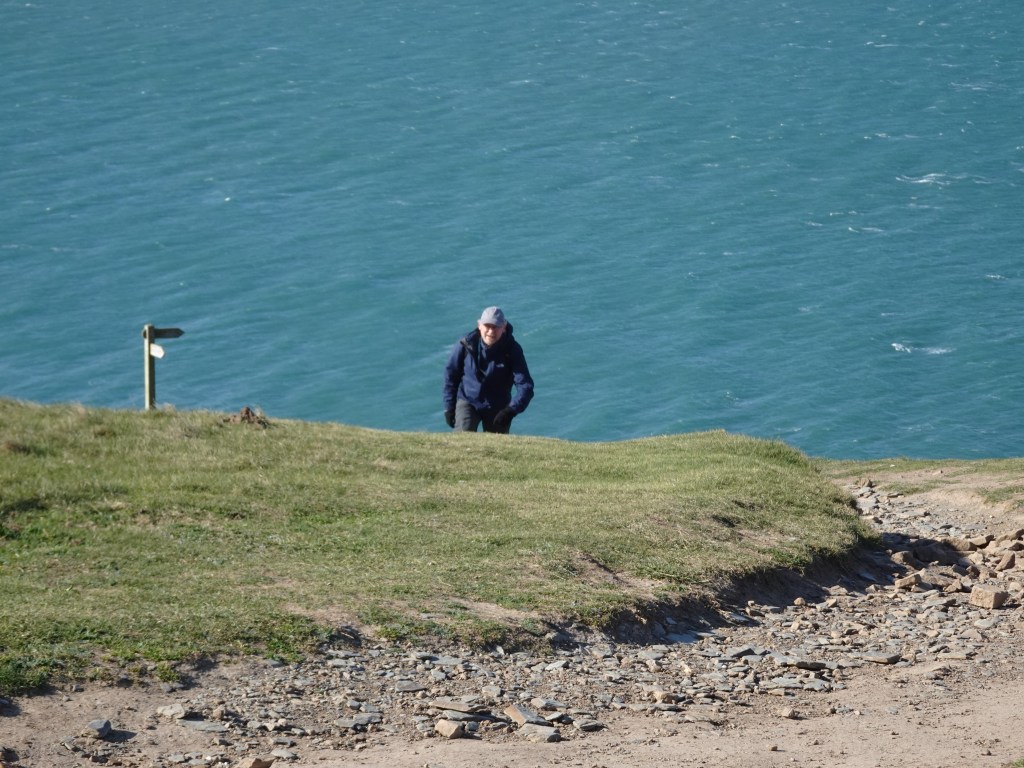
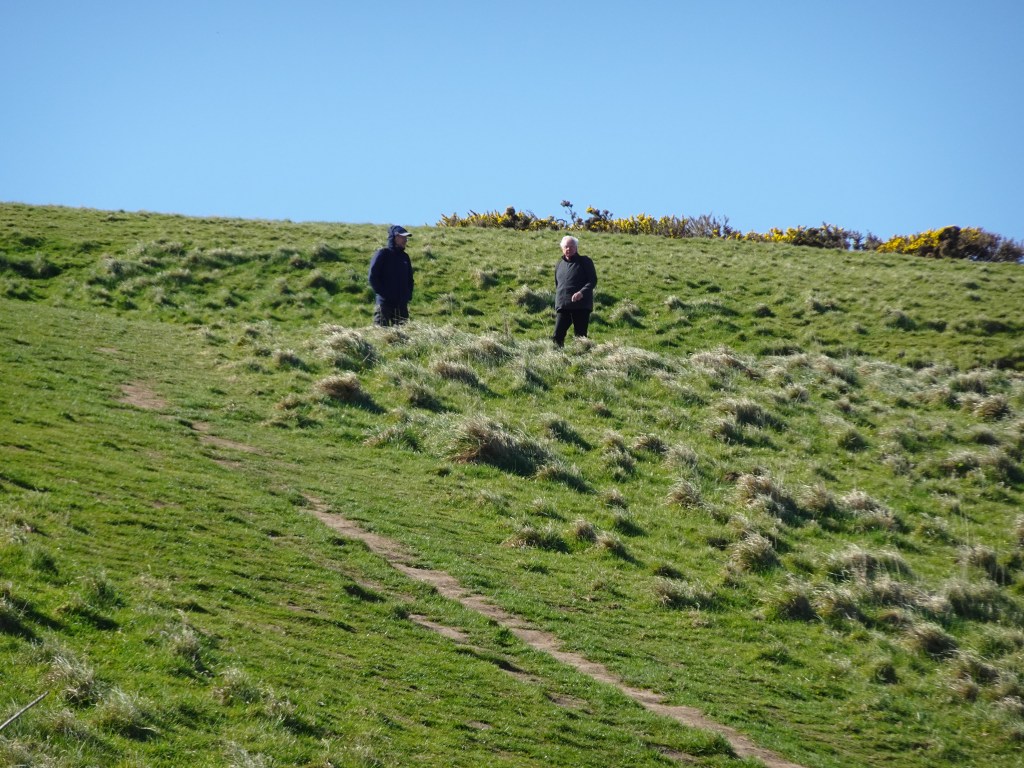
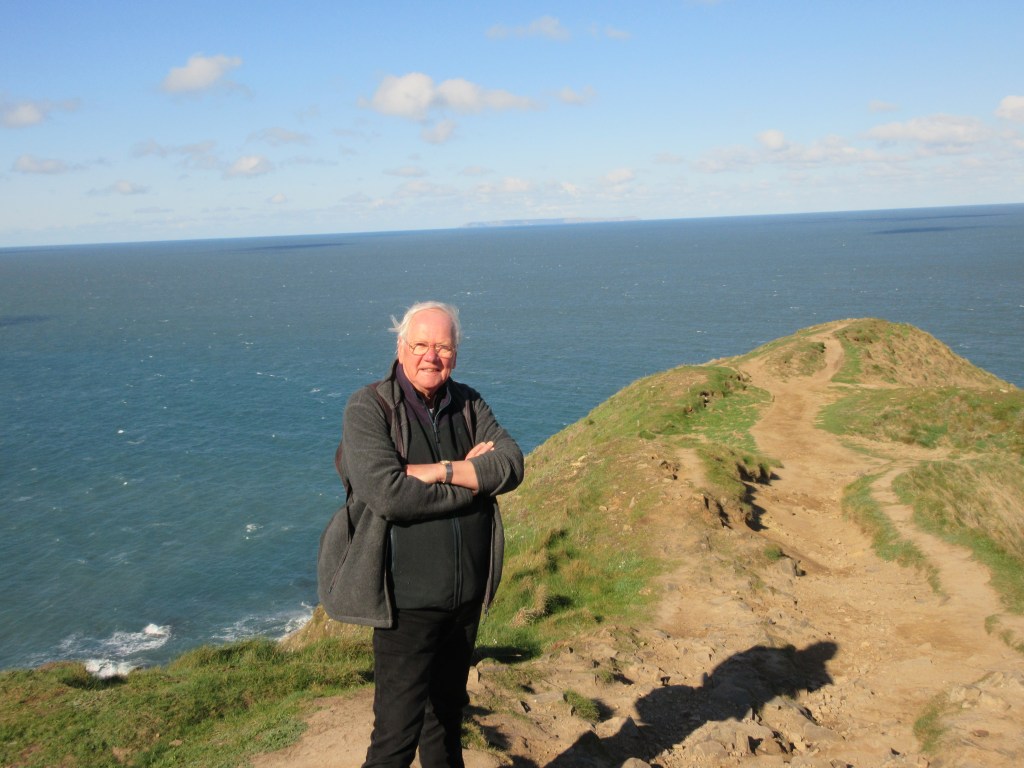
Ice cream beckoned at Putsborough before walking Woolacombe Sand.
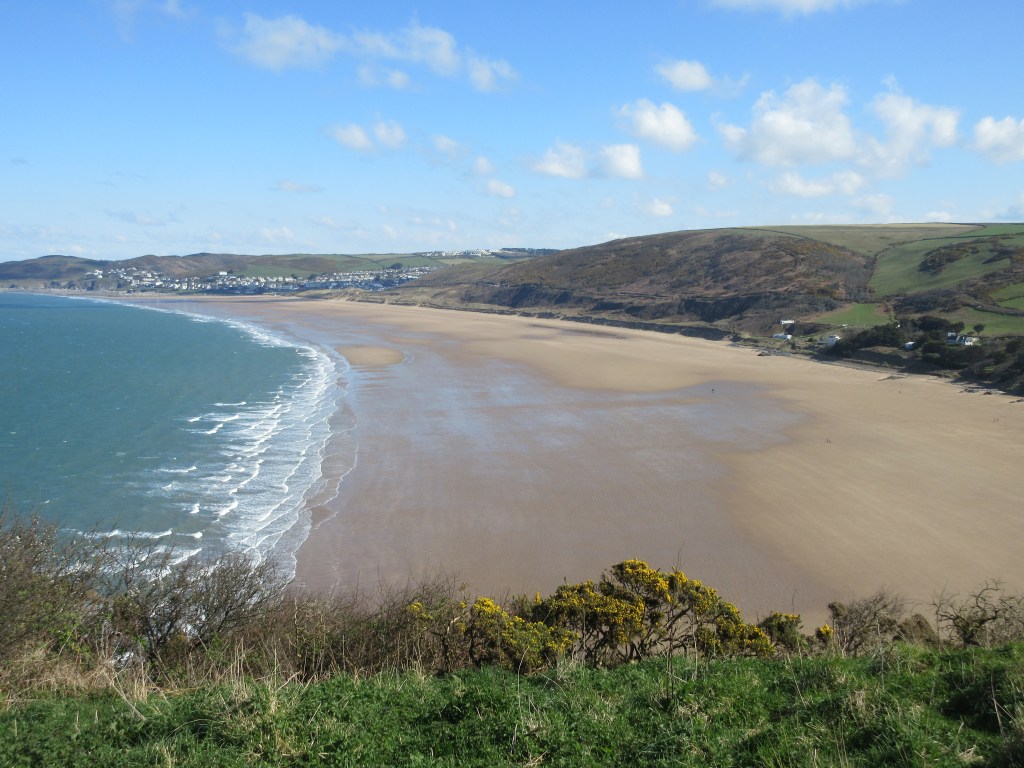
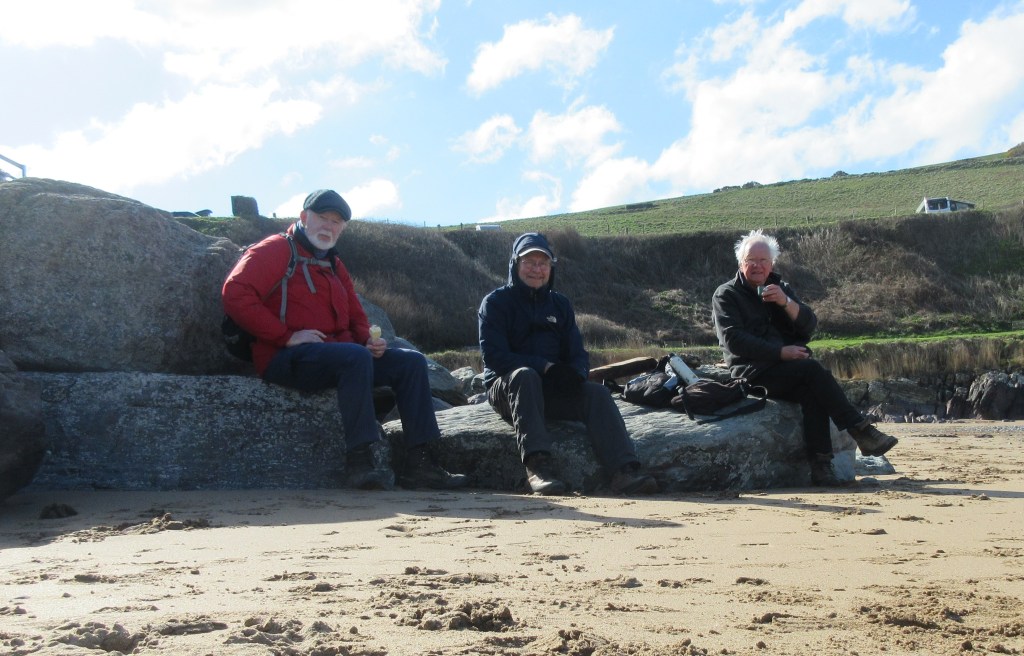
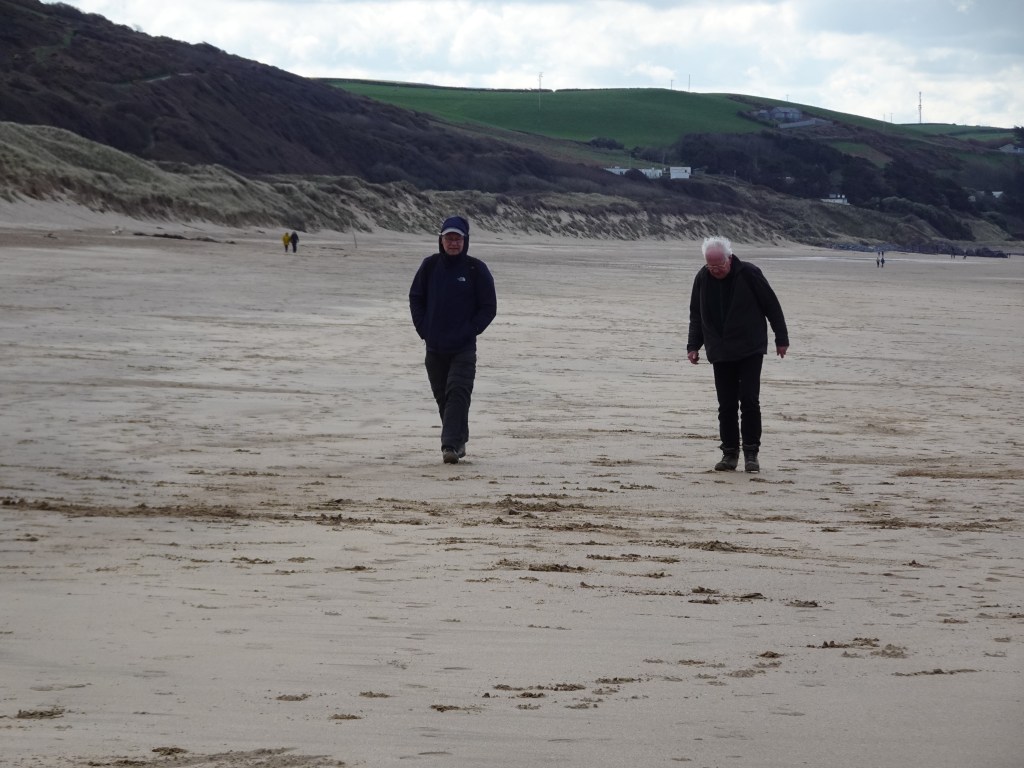
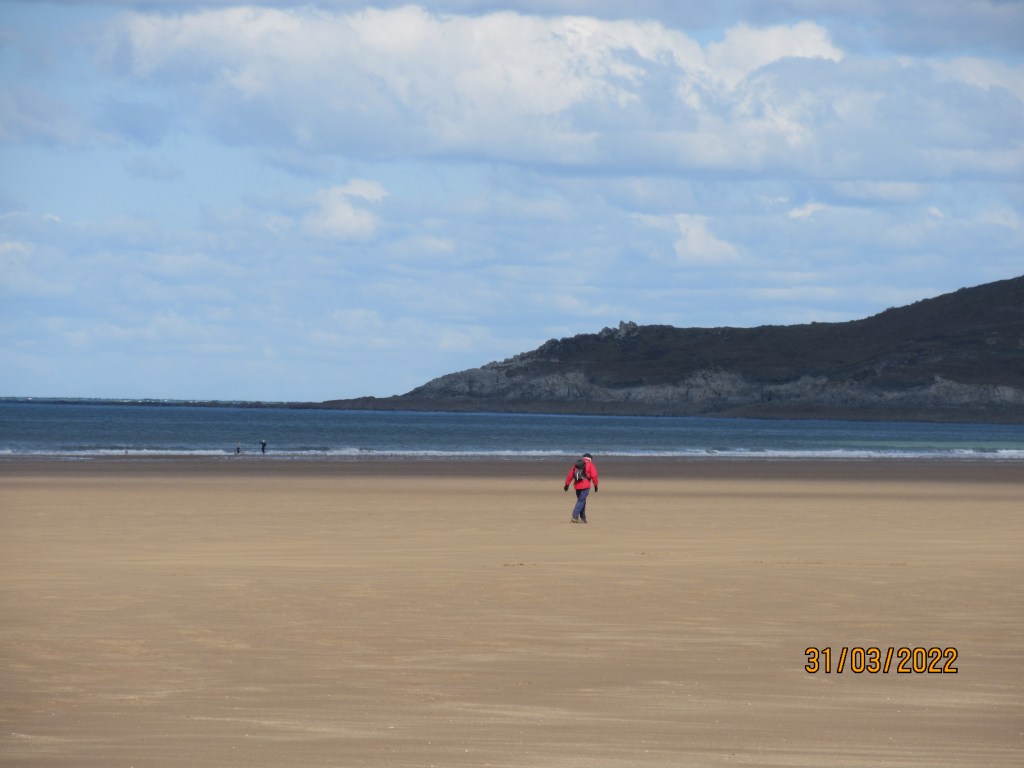
The walk from Woolacombe to Ilfracombe marked the resumption of normal coastal path fare.
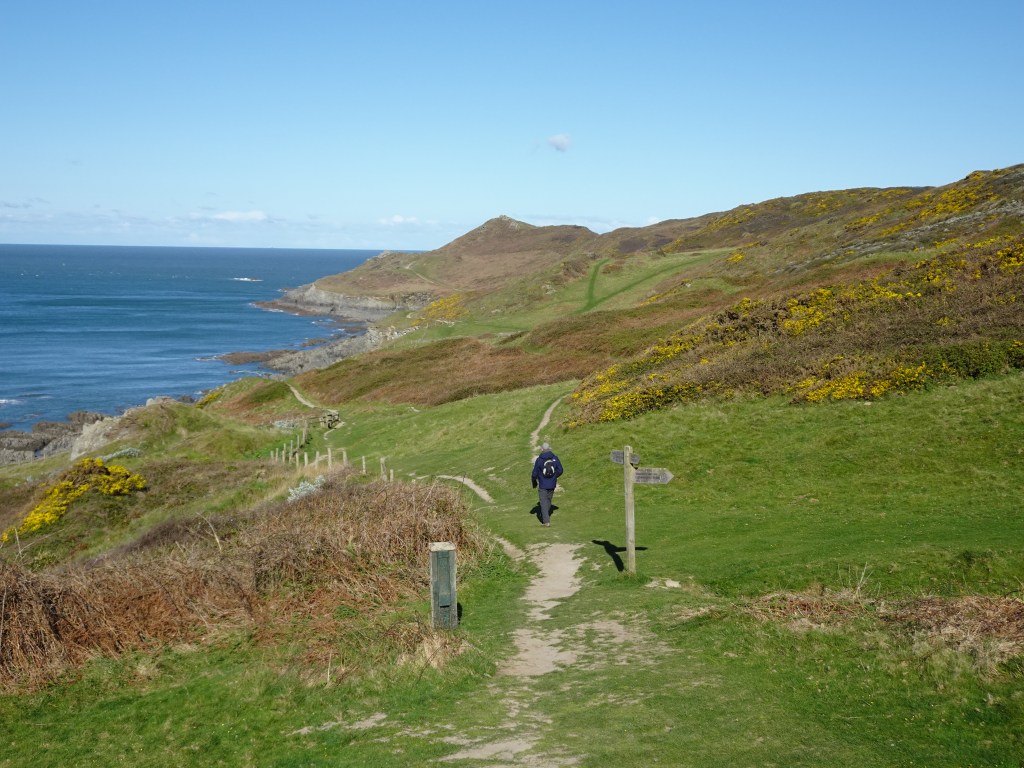
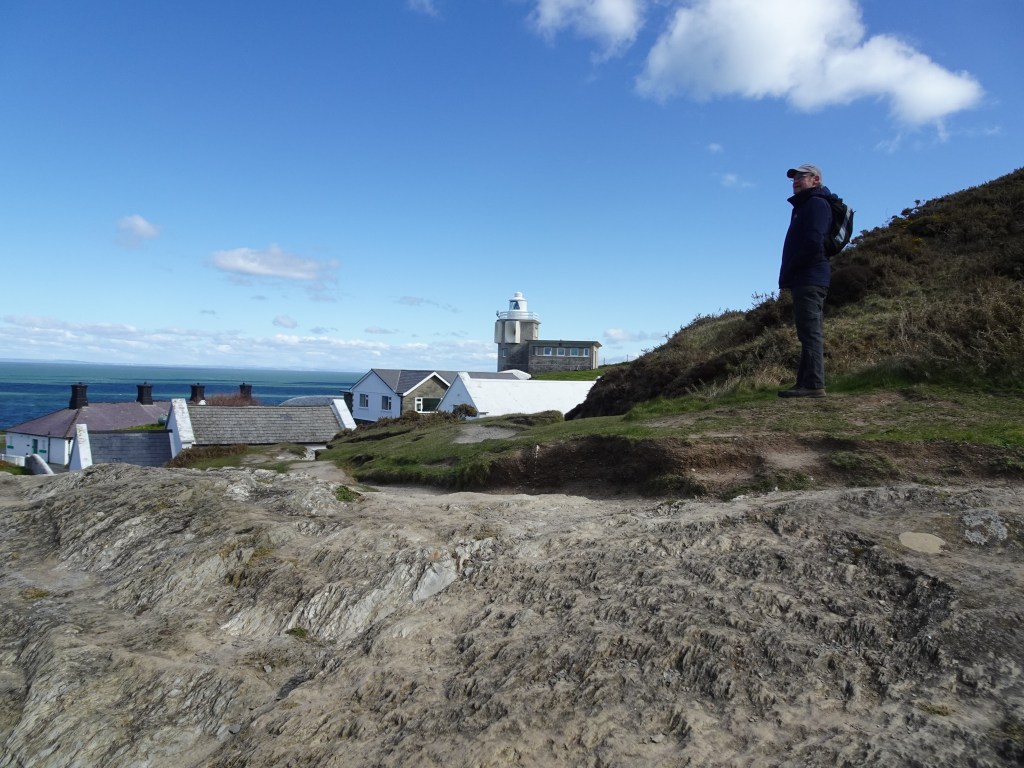
A rocky path to Bull Point.
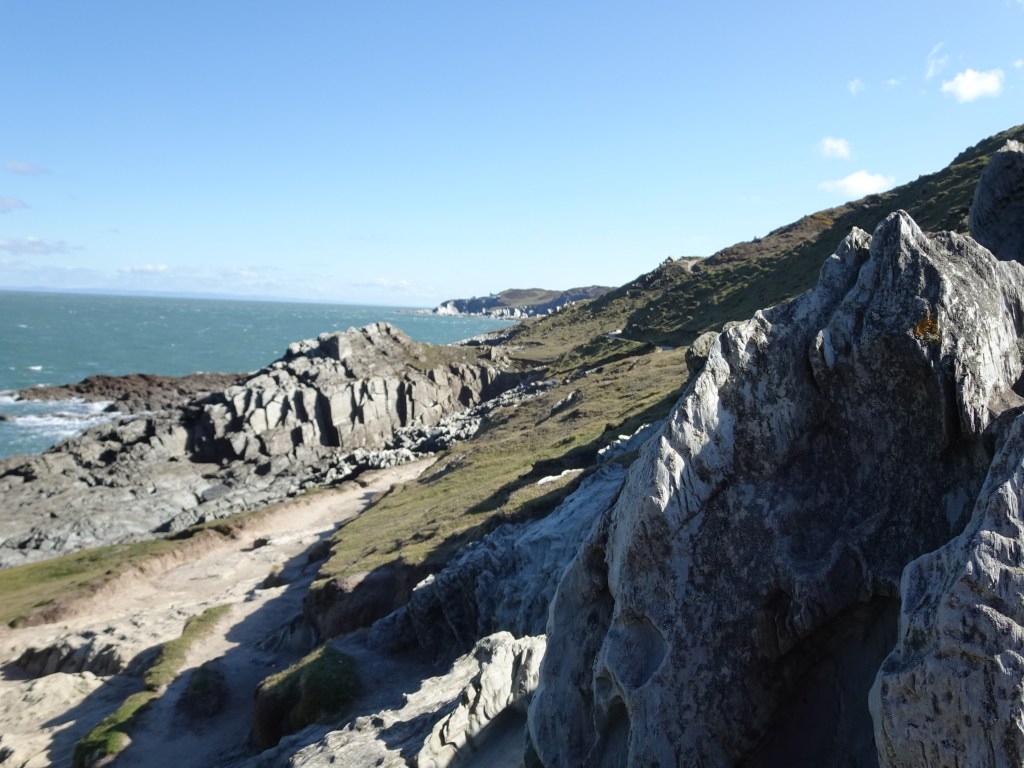
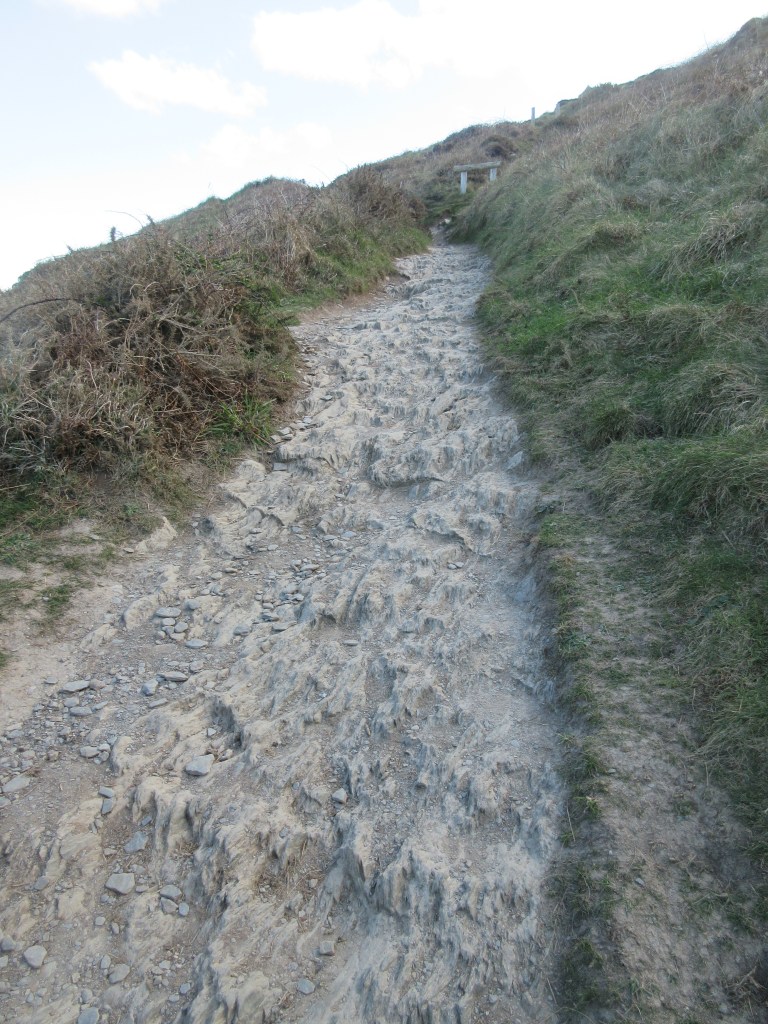
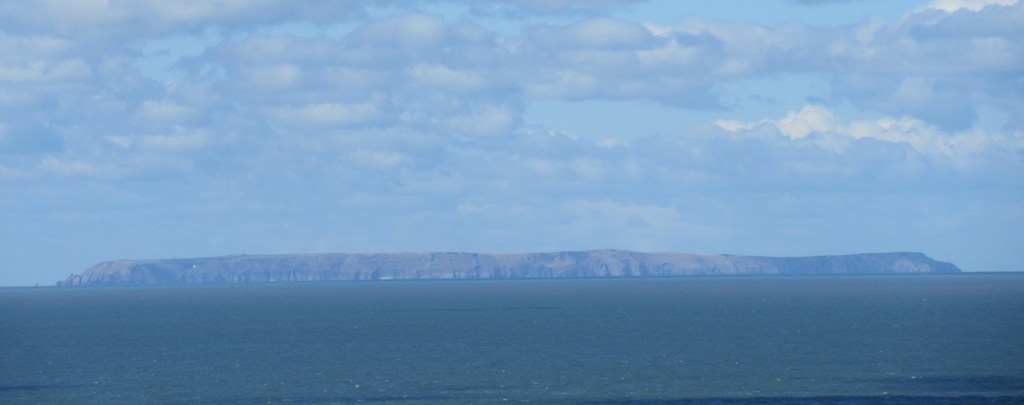
Looking north the view of Lundy was clear.
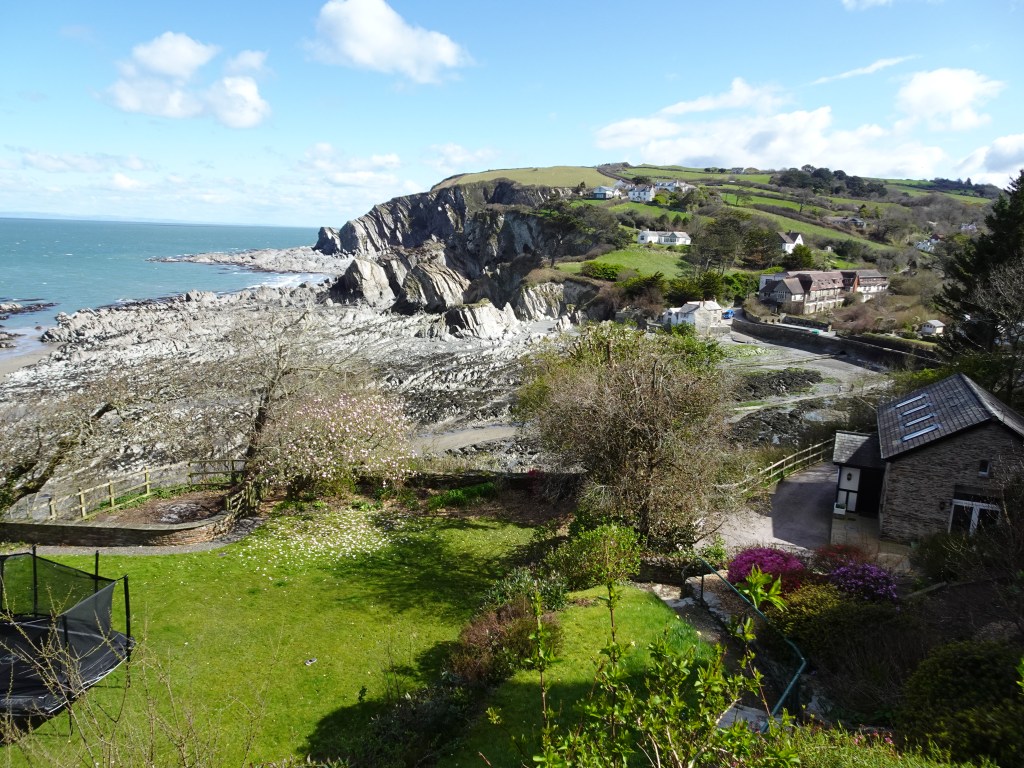
Two seals greeted us on the way. Just after midday we were in Lee, a delightful village that seems to have kept clear of the tourist rush.
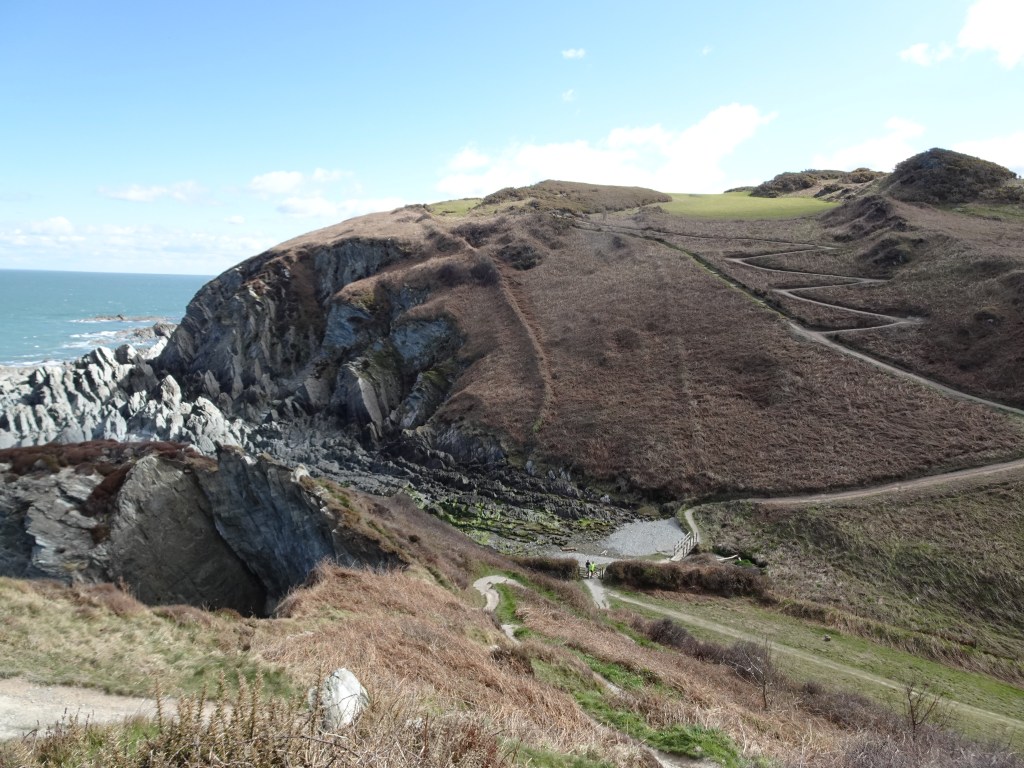
We relaxed in the knowledge that, according to the guide, the worst of this section was to the west. It was therefore a nasty shock to leave the village up a relentless road climb of 500’. But once on the top it was a fairly level walk to Ilfracombe. We had both been reminded of the joys of climbs and descents.
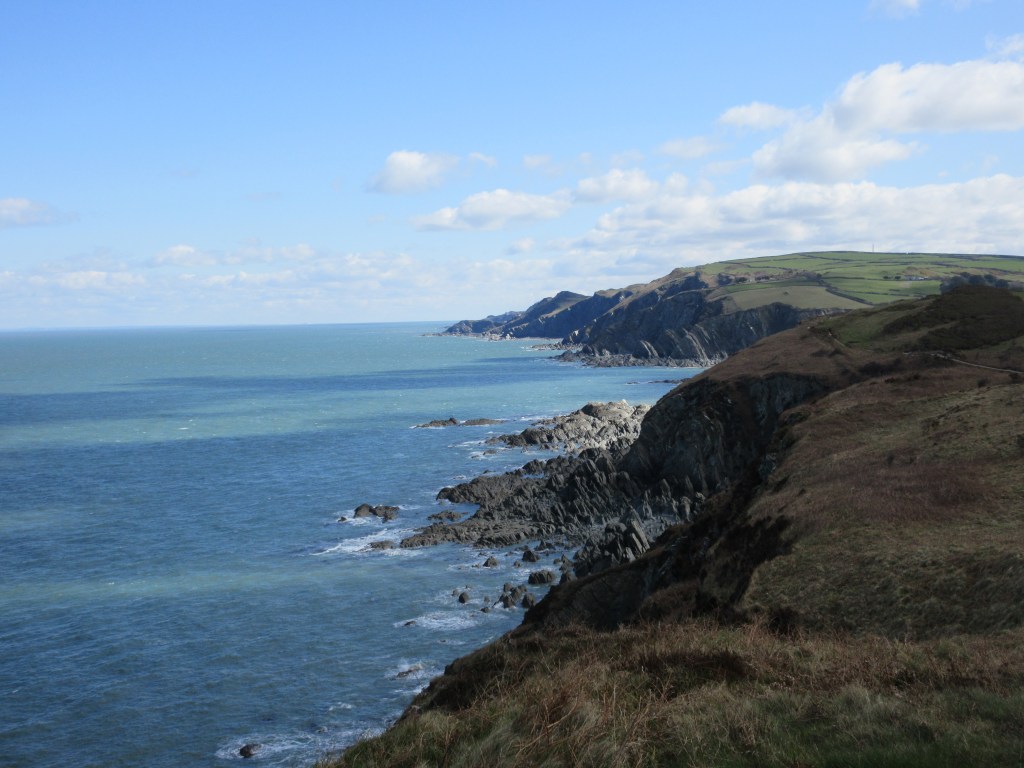
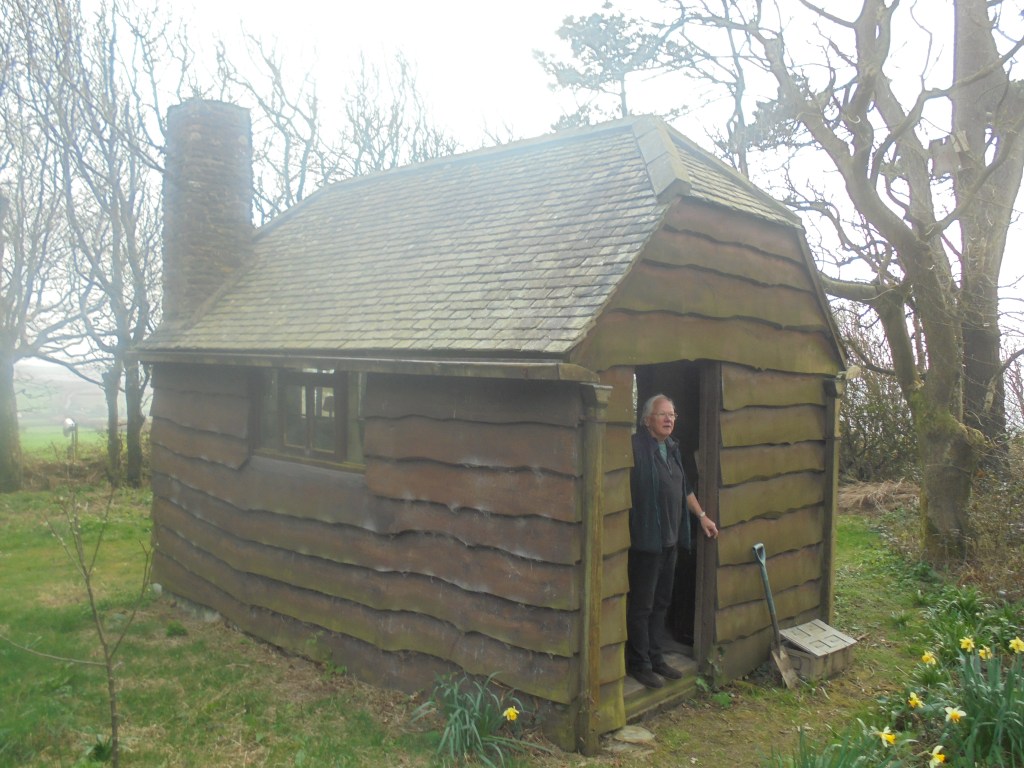
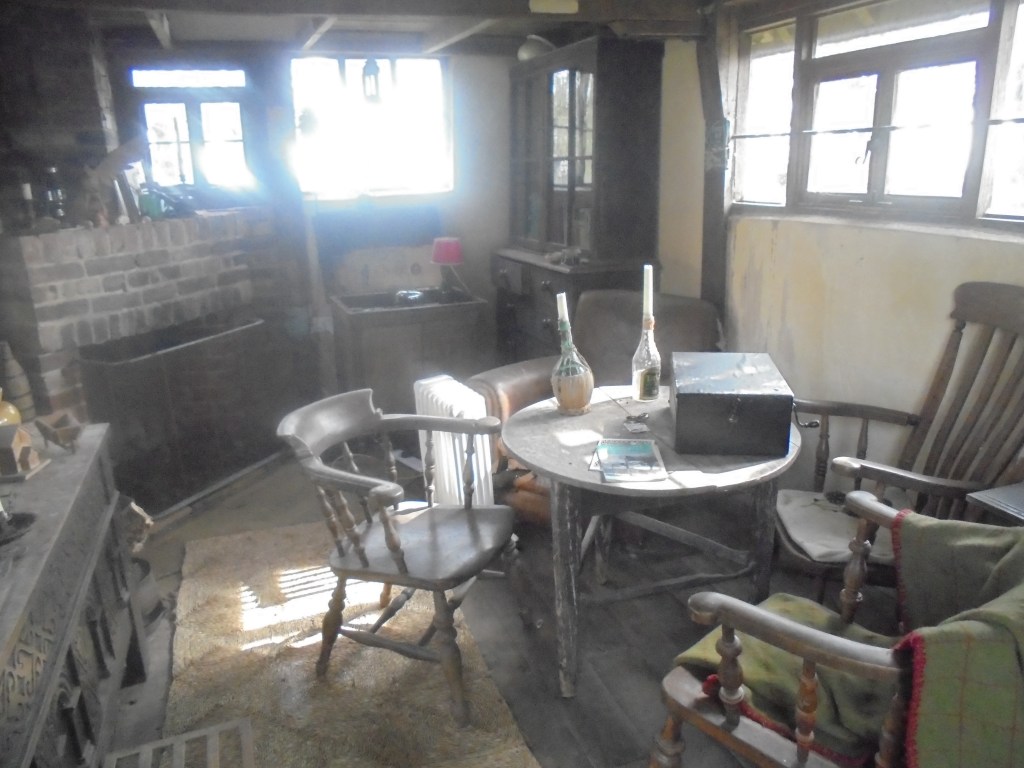
We had covered 50 miles, leaving us just 40 miles to Minehead for a week at the end of June. Martin had spent time during the week looking for Henry Williamson and was delighted to see his writing hut just as he had left it.
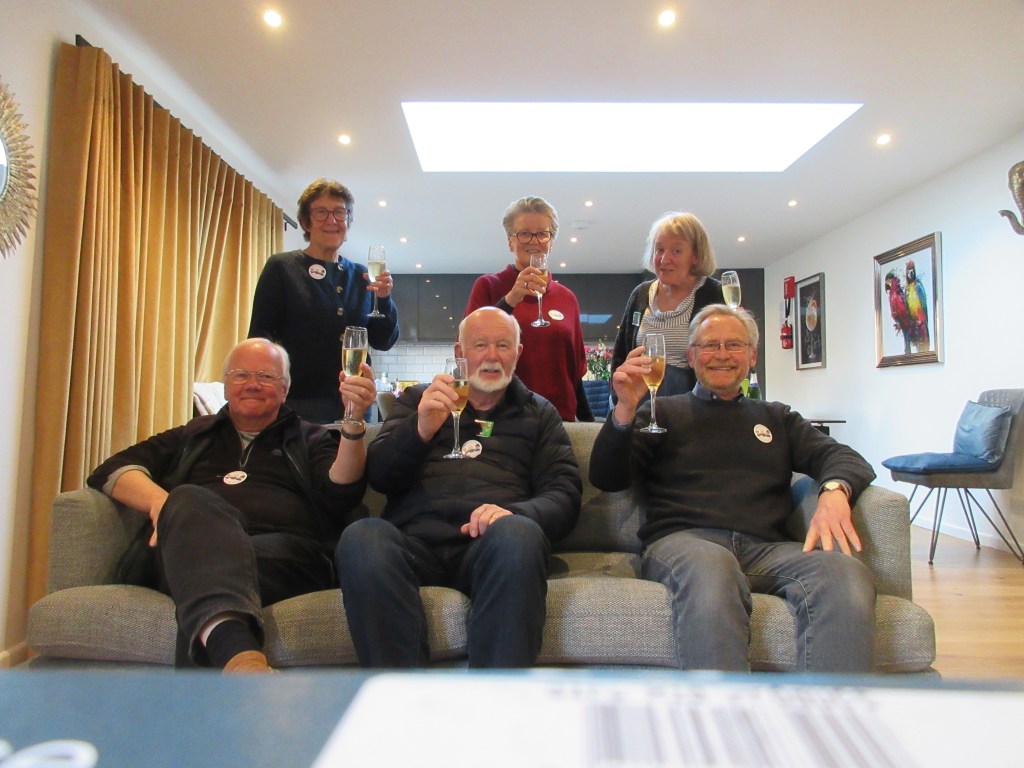
We had another good team week in a pleasant house. Richard and Martin organised karaoke to the backing of various You-Tube sessions. Not for sensitive ears. With 40 miles to go, we hope we will complete the Path by 1 July, eighteen months after our original objective of Christmas 2020.

 Pensioners on The Path
Hello, we met yesterday, just a few mile West of Minehead close to Selworthy Beacon. We were on a litter picking walk for the National Trust. It was great to meet you and very well done on completing the walk, I presume you made the last five miles? I look forward to reading your last blog through our Exmoor back yard. Having just read the ‘skeletons’ section, I thought I would share that my father (George ‘Bryan’ Wake) was a founder member of the Henry Williamson Society who have kept his writing hut together (they used part of my fathers estate to help fund this back in the late ’90s) One of my aunties used to live just down the road from the hut (on the edge of Georgeham) and we had a number of holidays down there. Meeting you really added to our morning, I was late getting out to the volunteering yesterday (my work let me flex my hours and we had had a few minor issues first thing Thursday) and nearly did not go, so glad I did, it was a lovely few hours in the sun and the rain and we met some interesting walkers, including yourselves. I walk loads locally and enjoy the local wildlife, we did the Exmoor Perambulation this year (google it) which could be a good one day challenge for you! If you are coming this way and fancy a walk with a local*, do get in touch, it would be great to meet you again
kind regards, Will
(* actually from Suffolk but lived here the requisite 20+ years!)
LikeLike