The weekend of the royal wedding loomed and the sun came out. It shone on Harry and Meghan and there was plenty left over for us too. It was perfect weather for walking, sunny and clear with a light breeze and moderate temperature. But we were down to two: it’s well known that walking in Anglesey is dangerous but Martin would not be put off and the almost inevitable result was that he hurt his ankle. Walking team reduced by 33%, knowledge of birds and wildlife by 75%+.
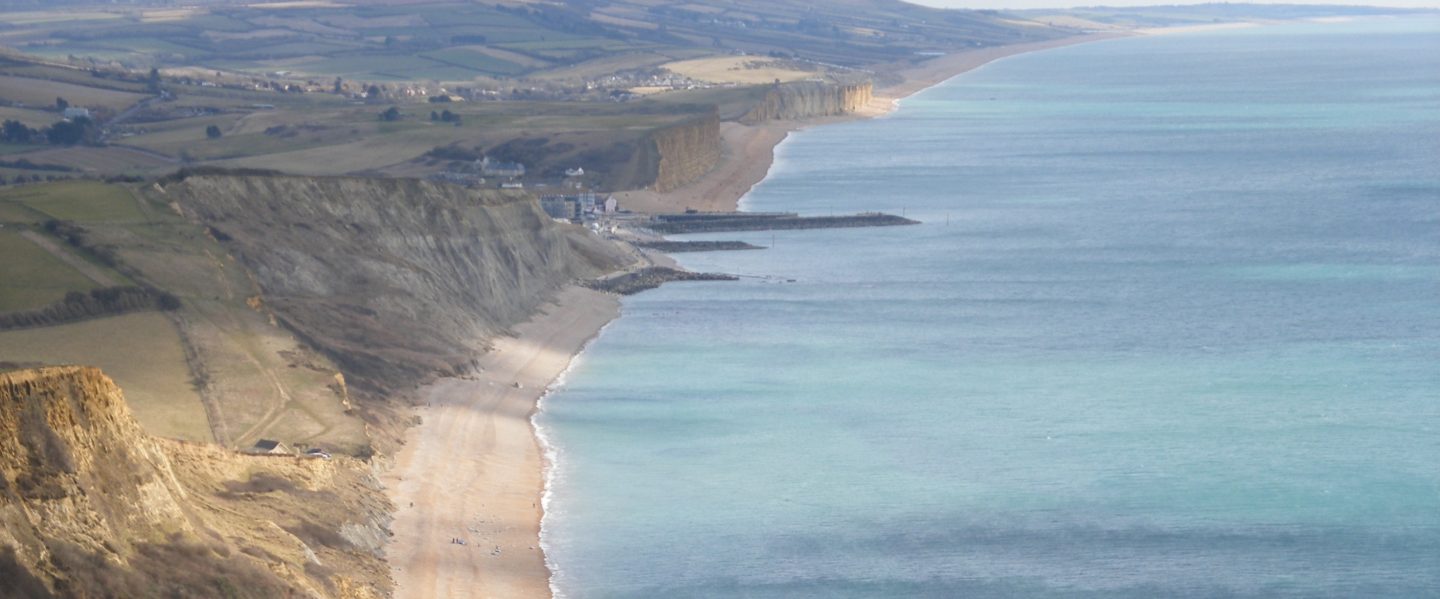
The core team was determined to put on a good show. We set off from Charmouth Beach car park, conscious that we had a bird sighting challenge as well as one of walking. It was not long before Richard was identifying finches, but was then unclear about which sort they were – only a partial success.
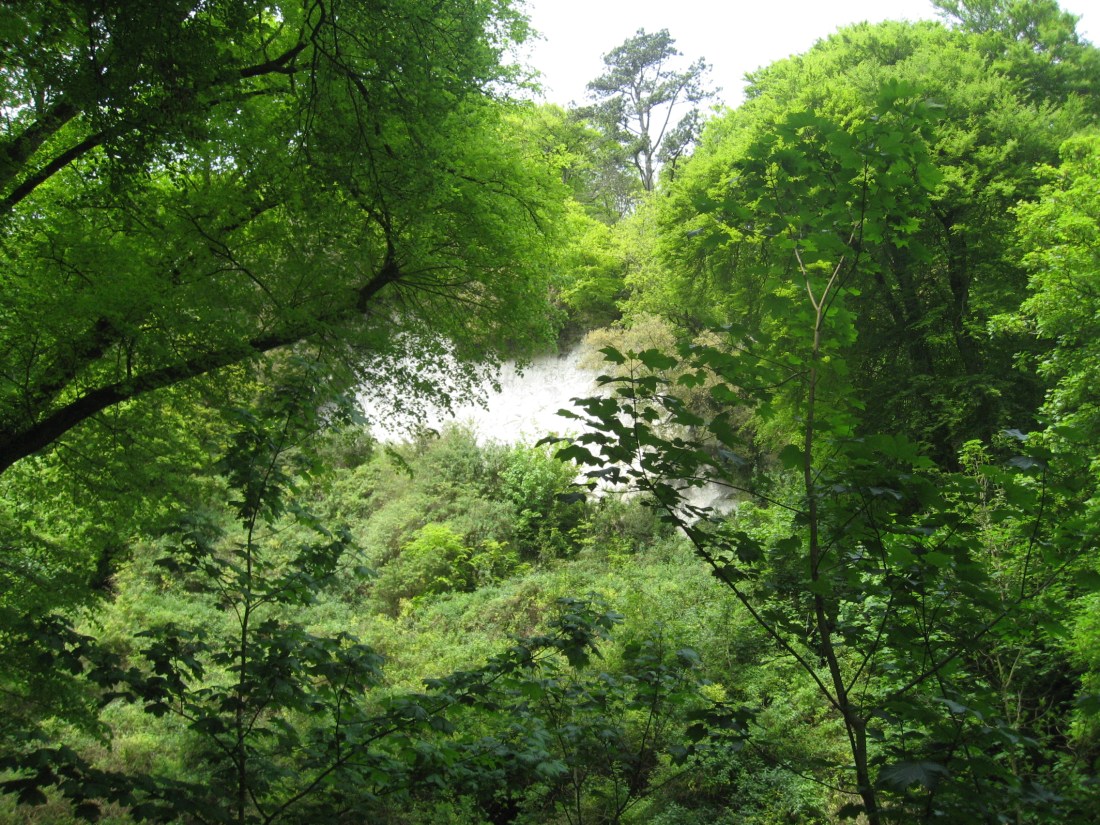
The coast path diversion from Charmouth to Lyme as a result of major cliff slips is not very inspiring and involves walking on the A35 some of the way. Released from the road we were soon through the woodland and onto the Lyme Regis golf course.
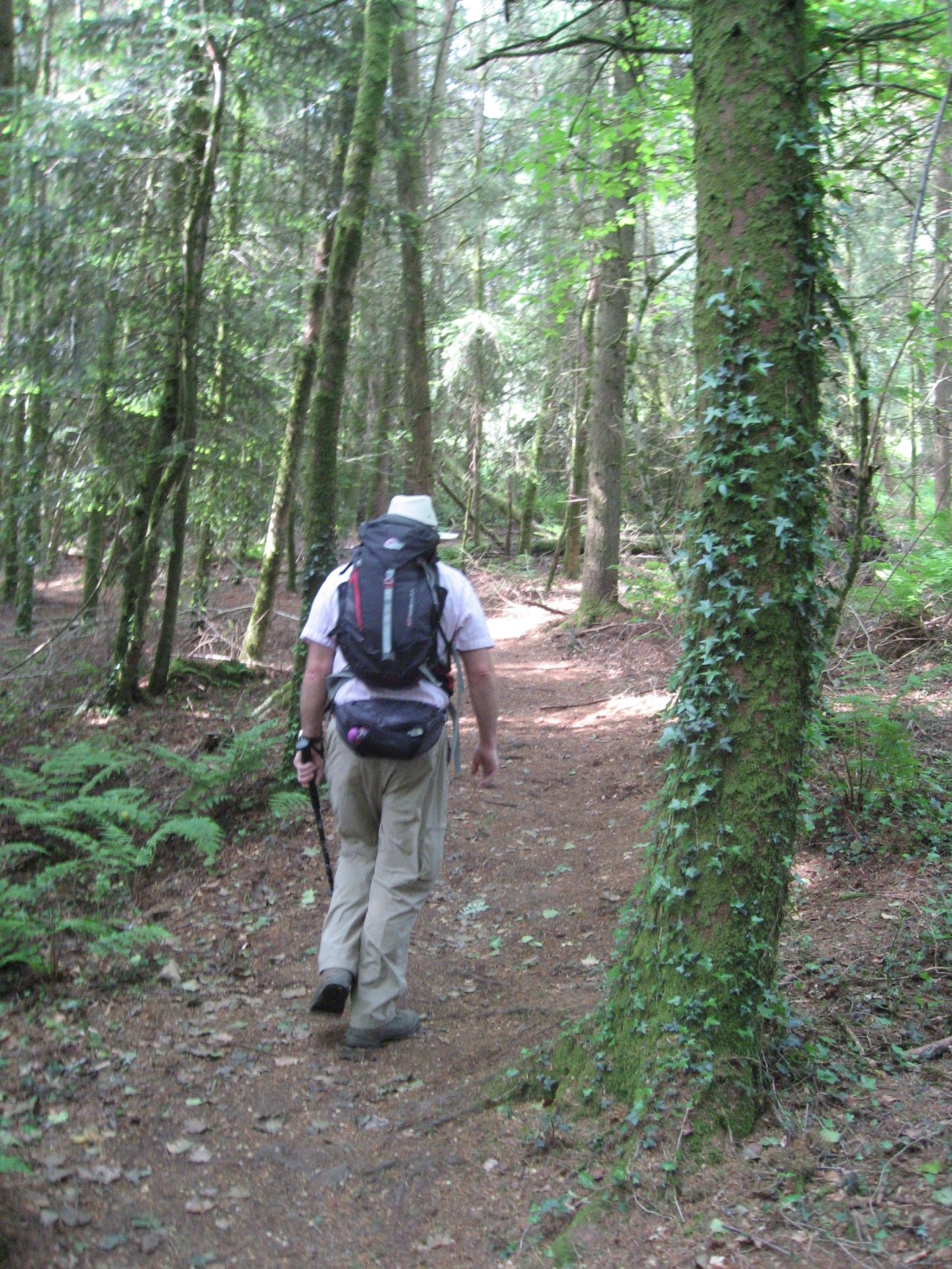
There we watched some interesting shots, probably slightly disappointing to the punters. Back on a minor road we were passed by a very fast black Bentley drophead which swept into the club drive in a proprietorial sort of way. We were clearly near some very important people.
In mid-morning we were on the long descent into Lyme. On the way were some very attractive houses with stunning views, but great potential for slippage too.
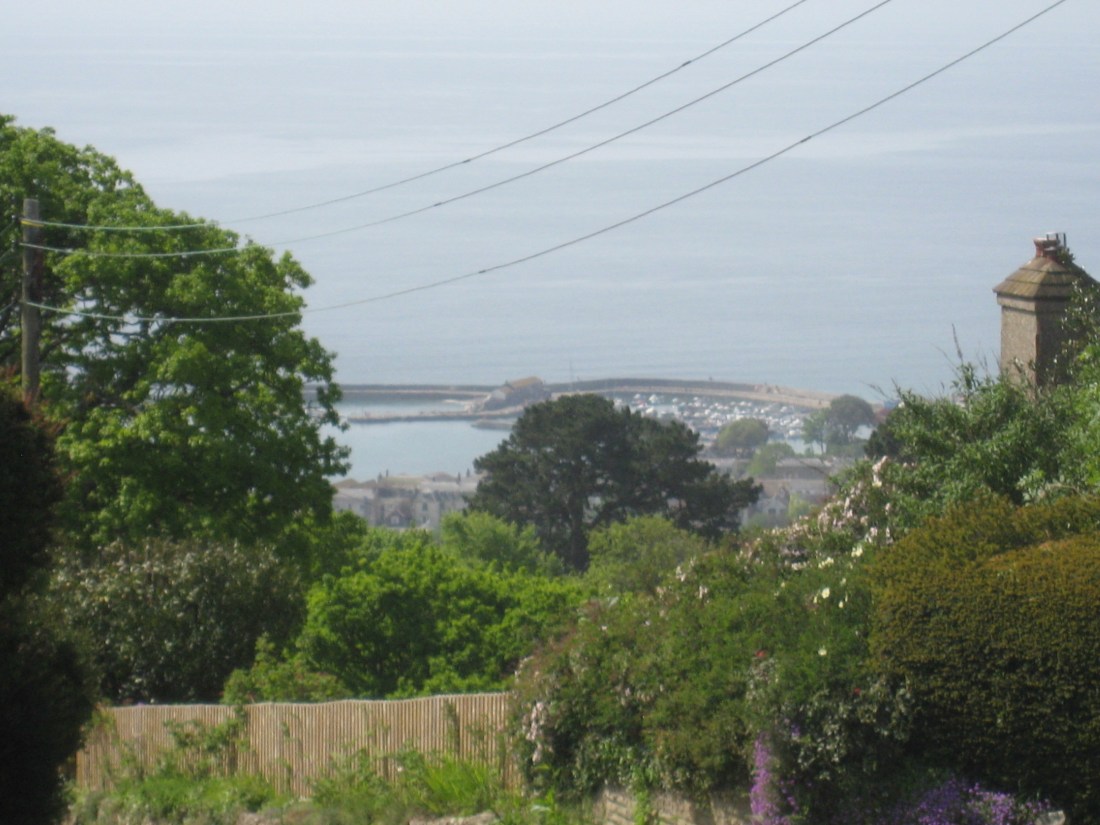
We were soon on the front and able to look back at the hazy view to Burton Bradstock. It looked a satisfyingly long way.
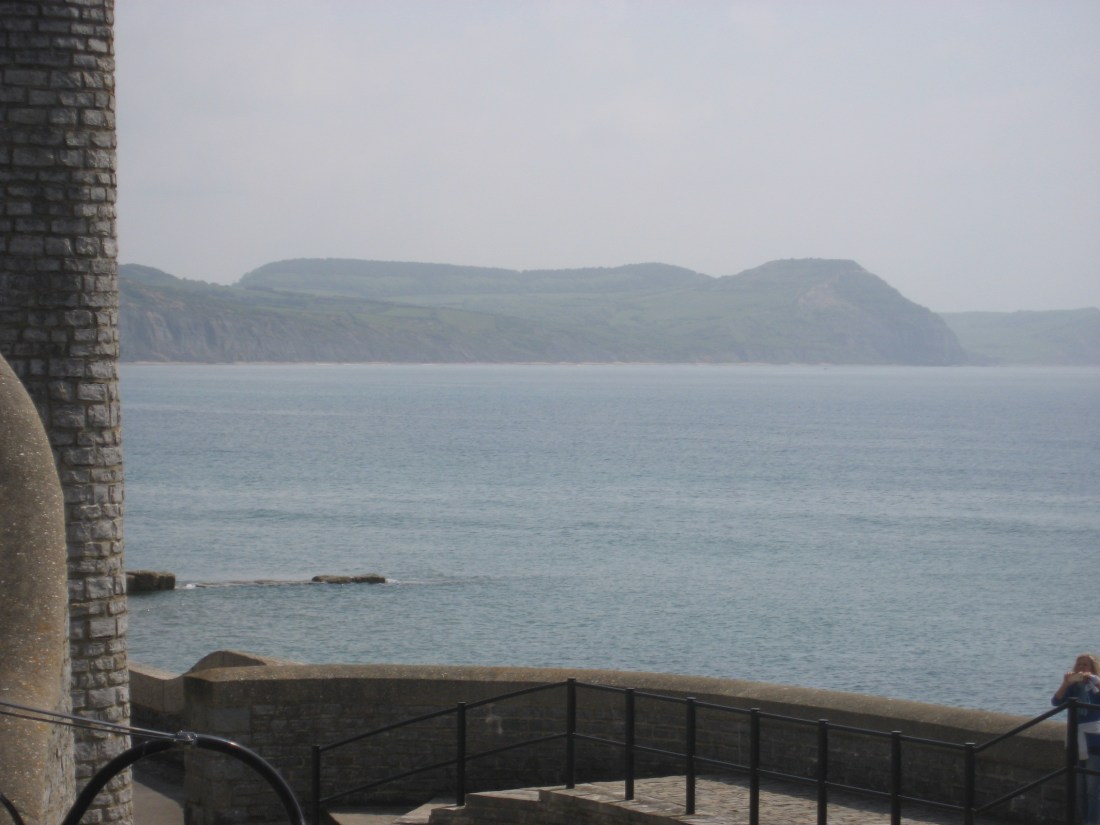
The front was not crowded with people, but well populated with fast food signs that paid no heed to current health fears.


By 1145 we were by the Cobb and Dugald had to pause for a boat moment.
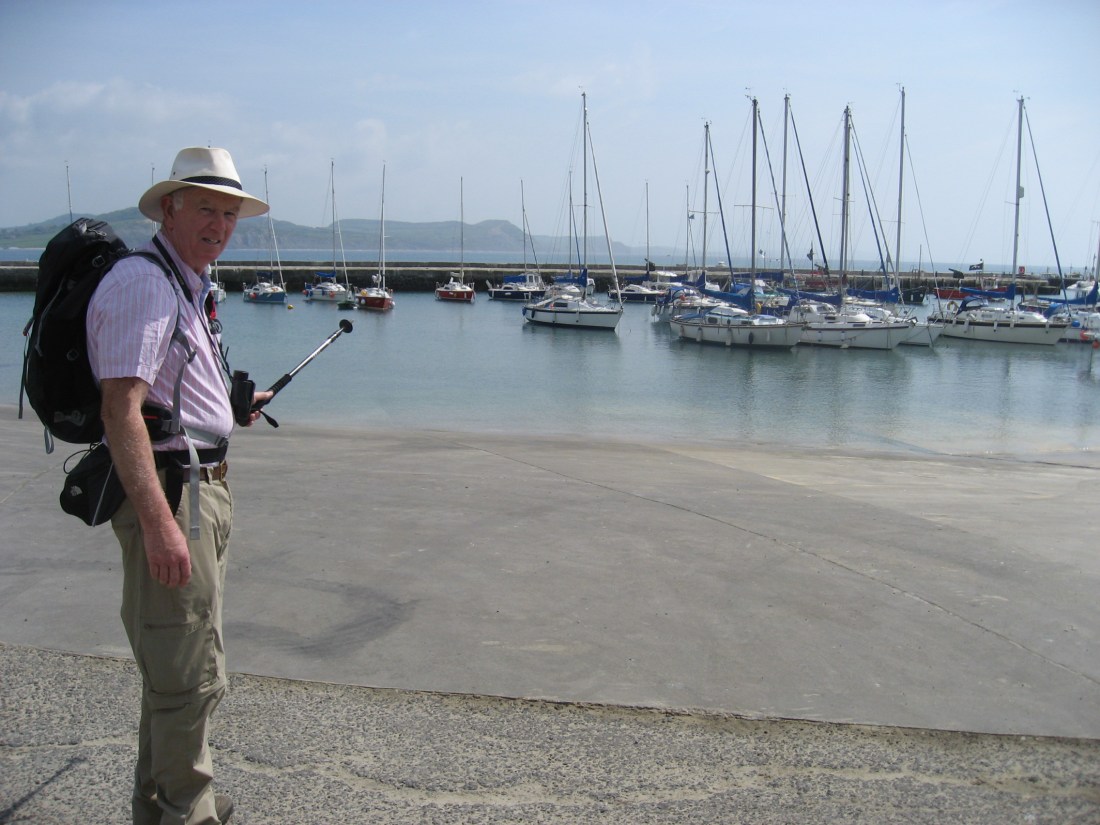
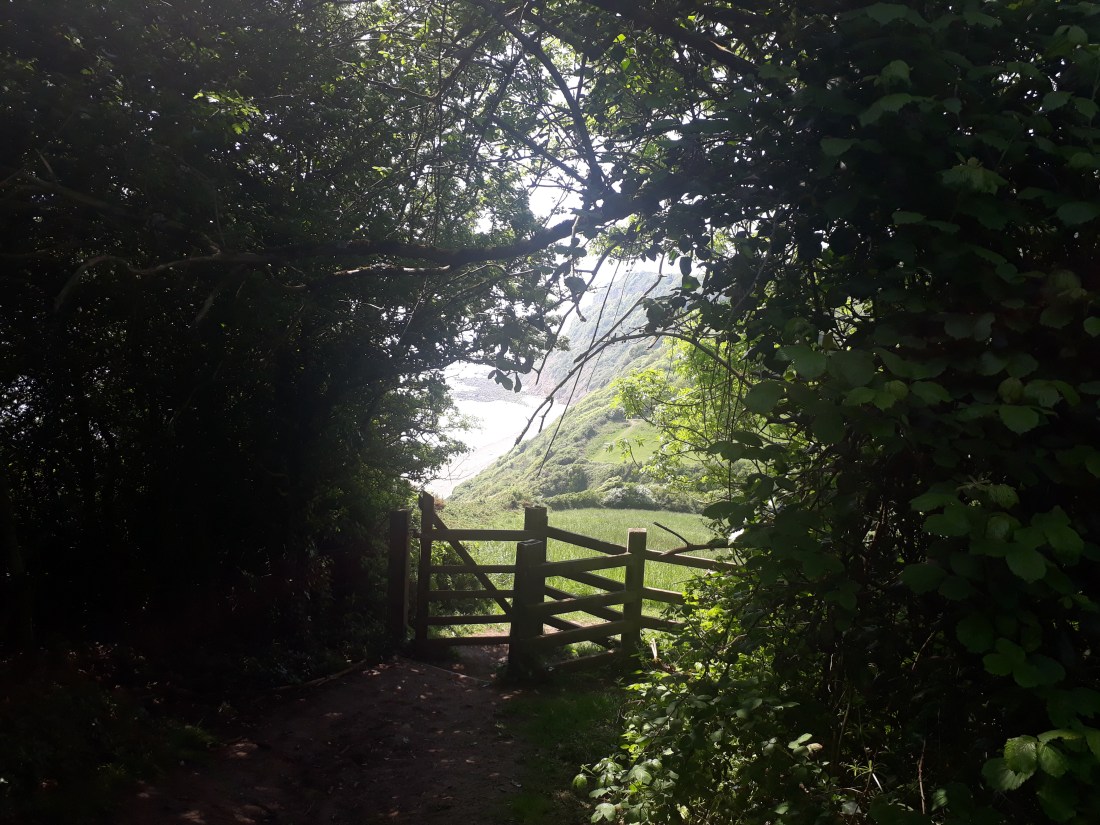
Then we were looking for the path. It was to be found in a steep set of steps up into the beginning of the undercliff.


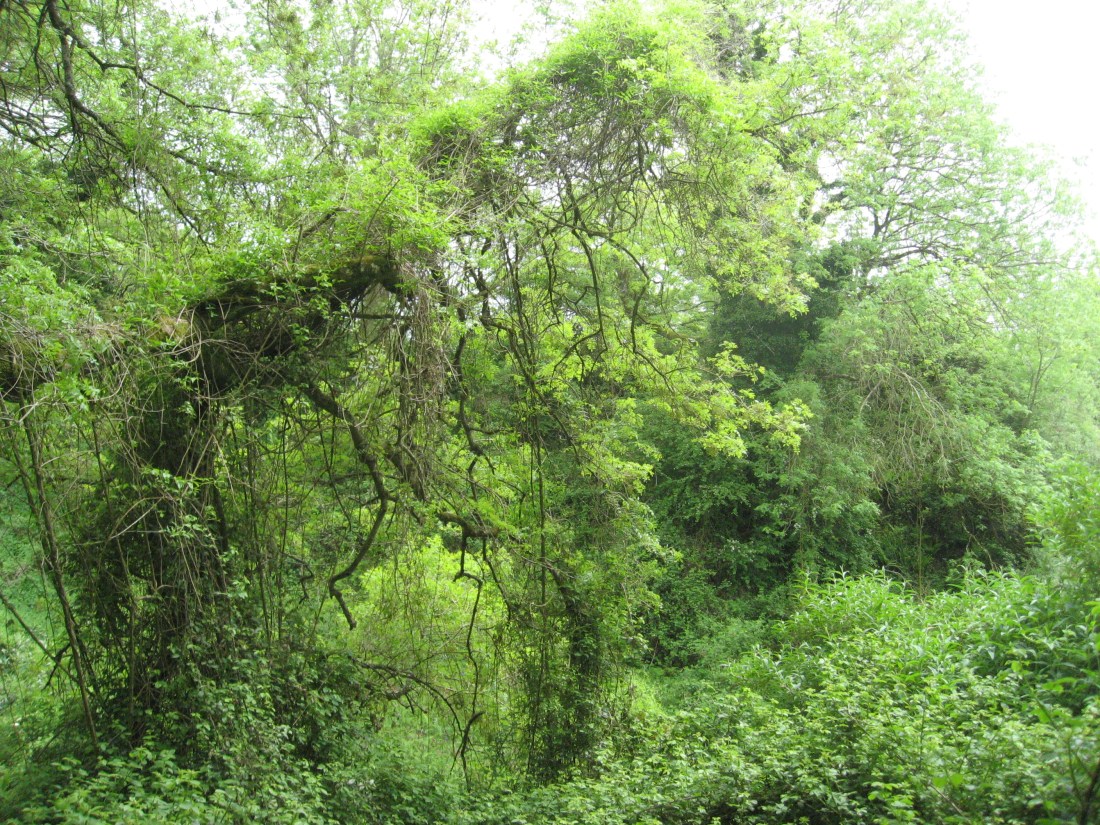
For many miles before Lyme we could look down into the undercliff; now we were going to be in it, in its mysterious other worldly atmosphere and with memories of ‘The French Lieutenant’s Woman’. At the start it was hazel bushes and dappled shade. We passed a number of dog walkers and one very well prepared couple cooking a full English on a mobile stove.
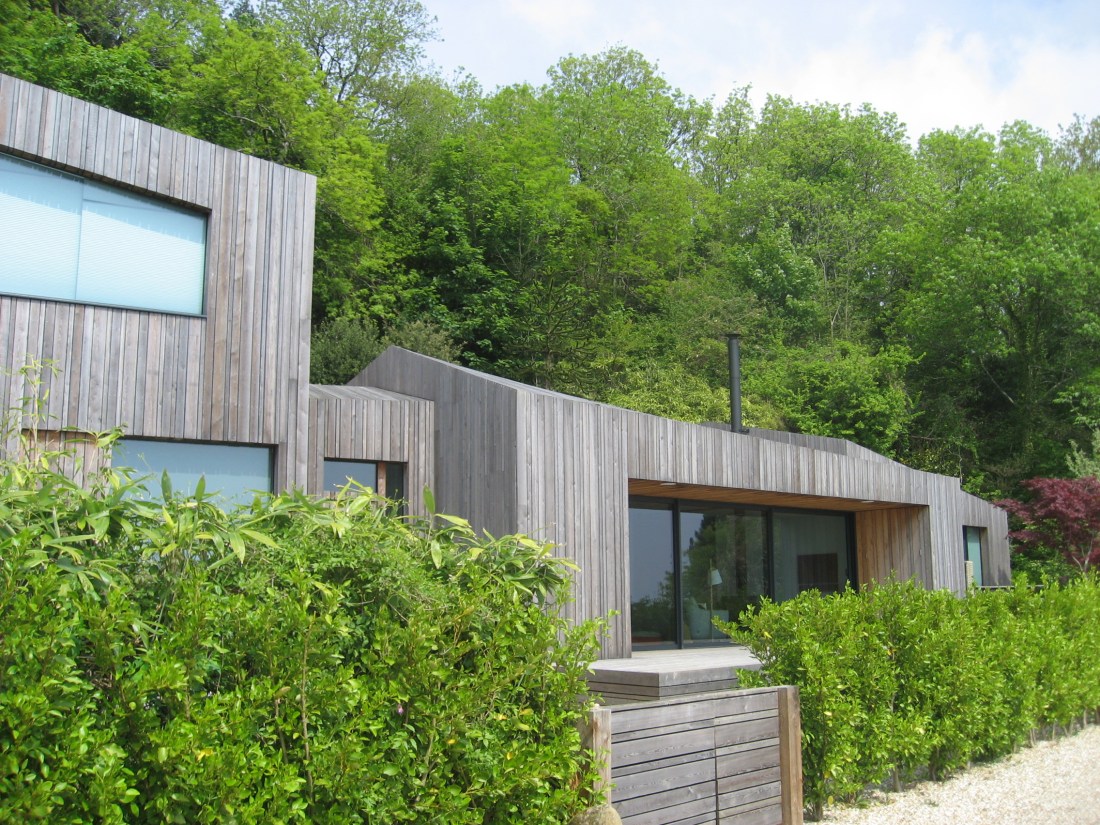
Past the Crow’s Nest, a modern house with wonderful views, we spotted a large bird of prey.
We could only define it as “not a kite”: we were definitely missing Martin. From Underhill Farm the broad track disappeared and we were in the undercliff proper. Signs warned that the path is very arduous and there is no access from anywhere else – and suddenly the path was indeed very rough and difficult, often more a tangle of roots rather than a path.


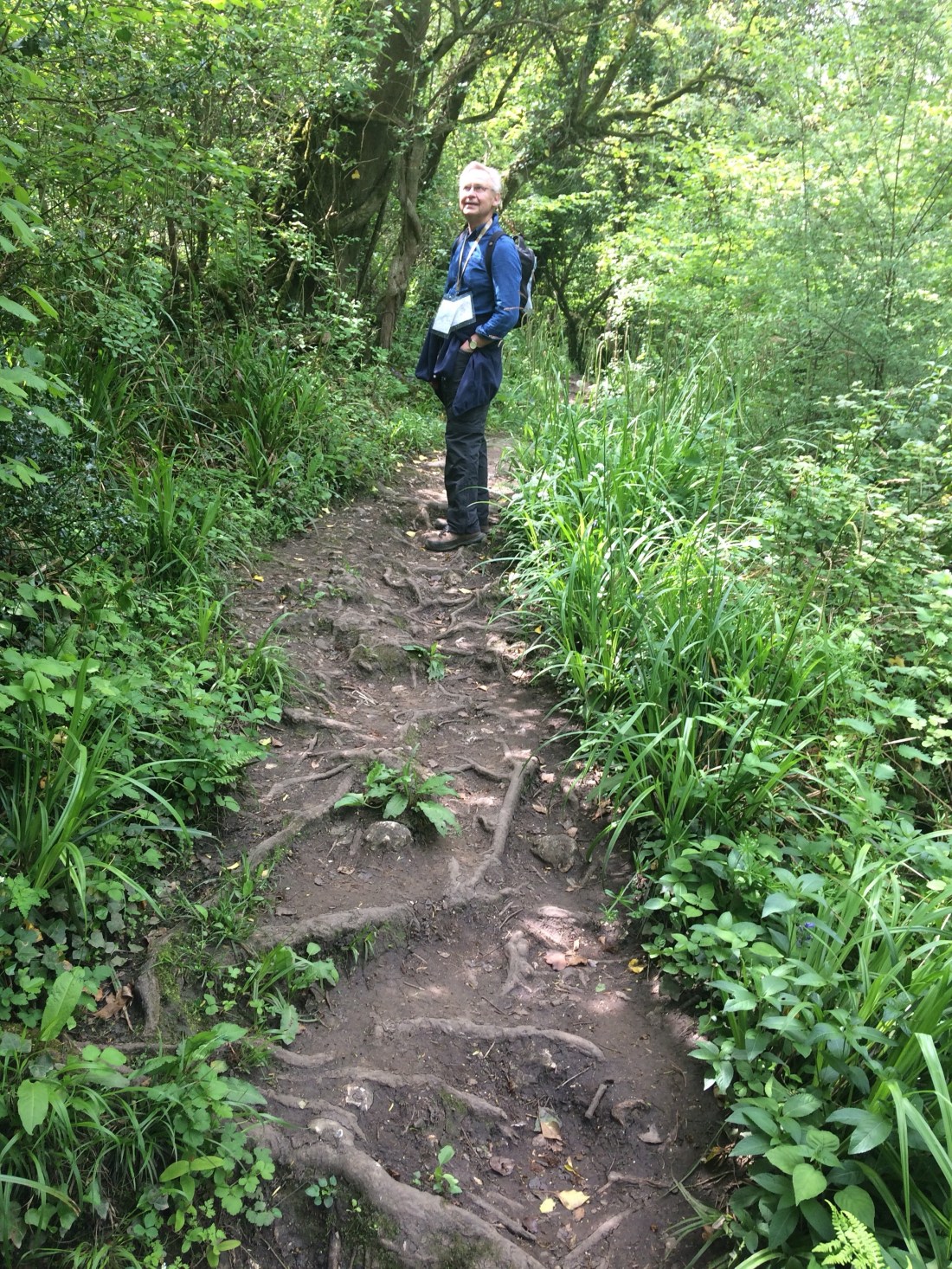
The path is like a switchback with endless small rises and falls. We needed to concentrate but still had time to spot thrushes and more finches. Richard could scent a fox, entirely missed by Dugald. This place is so different and has a feeling of isolation and separateness from our crowded island.
Just as we savoured the peace and quiet we met the first walker in the opposite direction. From then on they came in droves – or at least to a total of 16. We were still in England after all.
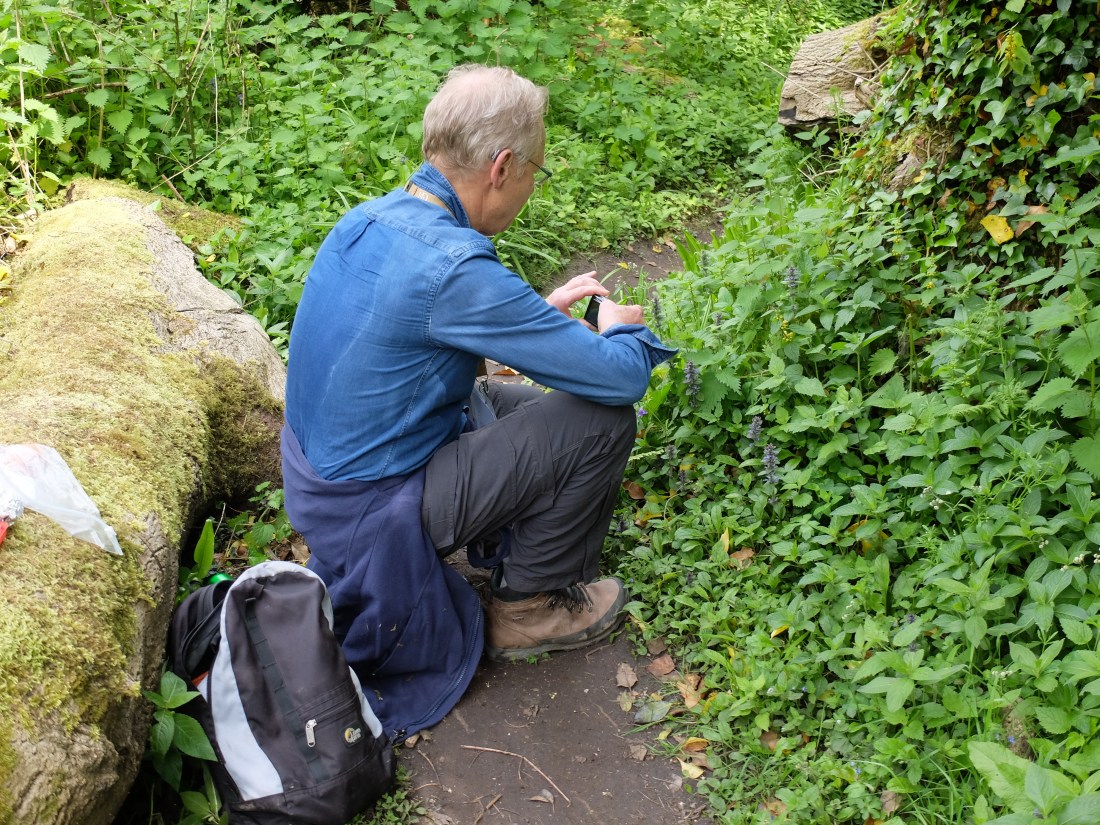
The woodland changed very quickly. Suddenly it moved from scrub to beech woodland, which was then diluted by holm oaks. A moss covered log was ideal for lunch and for butterfly spotting.
By two o’clock we reckoned we were half way between Lyme and Seaton.
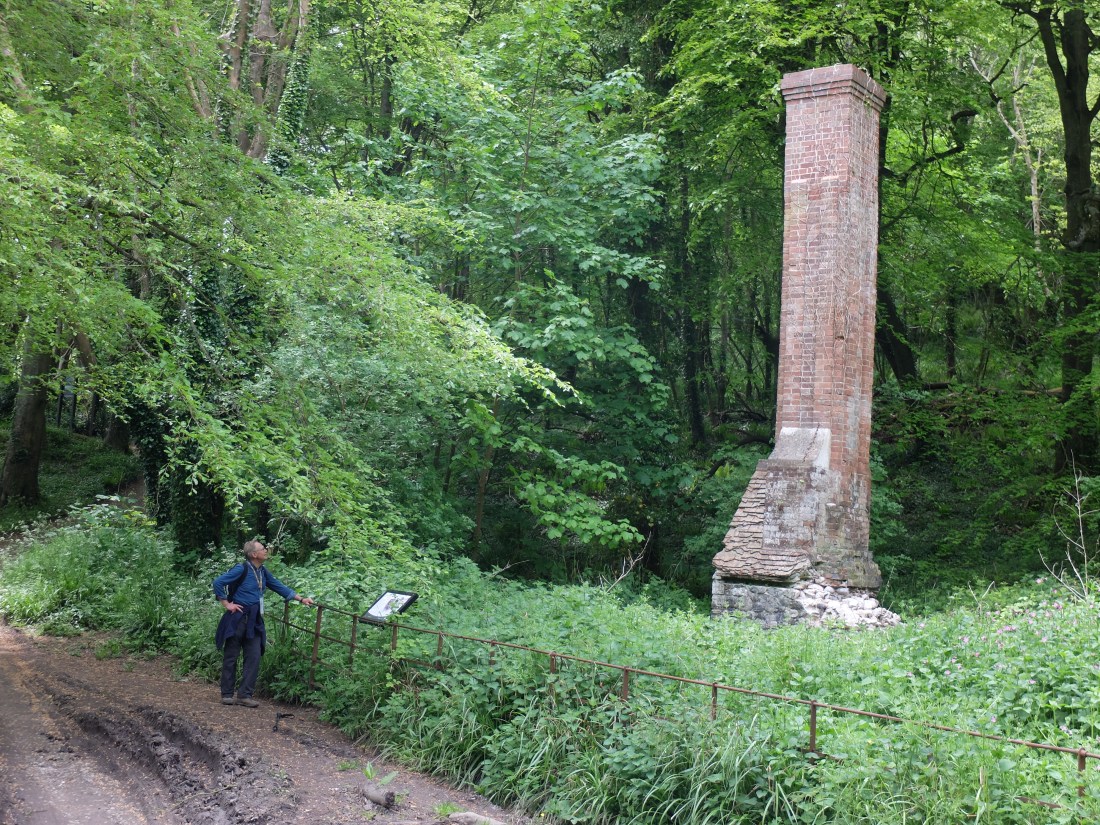
The path’s response was to increase the frequency and depth of the switchbacks. Soon we heard a blackbird protesting noisily and a buzzard flew off – so perhaps David saw off Goliath. We diverted briefly to look at a deep stone sheepwash, built in 1800, a reminder that in the first half of the nineteenth century much of this land was actively farmed. From there a series of steep steps took us to a rough field at the top – or we thought it was the top. We could then walk down and admire the remains of Goat Island formed in the great slippage of Christmas Day in 1839. It became a great tourist attraction and was even visited by Queen Victoria.
Back into more undercliff and into more climbs. Eventually in the middle of the afternoon we really escaped into open countryside and shortly after met Martin and Sally coming the other way with Milo.
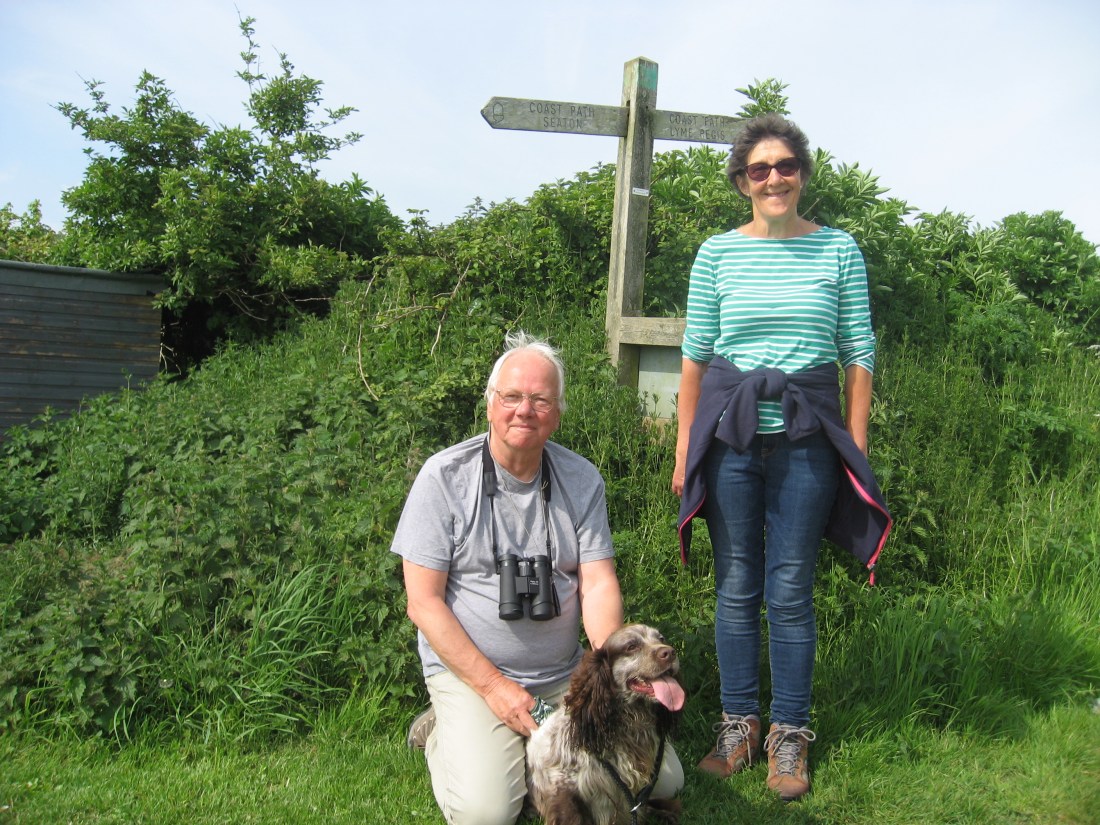
The effect was immediate and surprising. Swarms of butterflies turned out to greet them. True Richard had seen the odd Speckled Wood and Peacock along the way, but very grudgingly and in ones and twos. Martin had a whole crowd of them. Perhaps they still sensed the presence of a wildlife TV director and thought there was a chance of a screen break. What else would explain it?
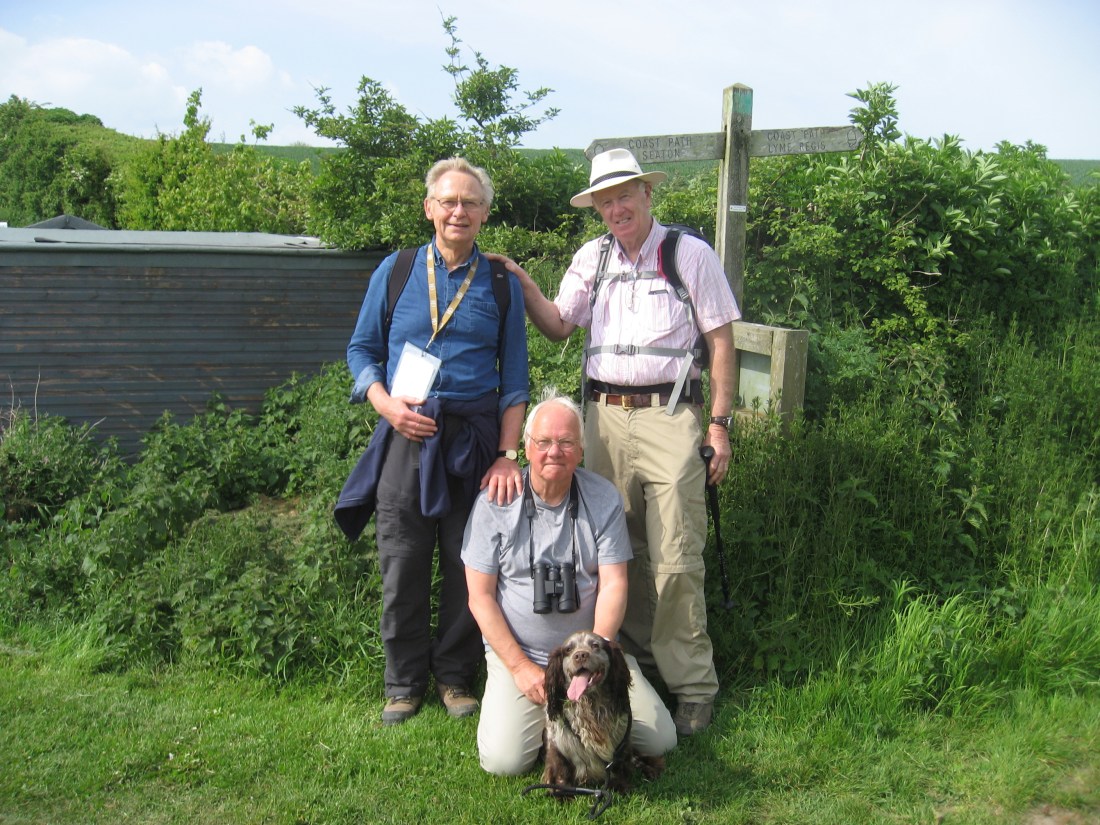
At last it was downhill through another golf course. On the pitch and putt green there were union flags in all the holes – ready for the next day. There was a discussion about how reasonable it was for the Prince of Wales to give away Meghan Markle, with the company split 50/50 on the issue. In the event what happened was much more subtle than either option. When we got to the car Sally kindly broke out another type of beer from the excellent Dorset Brewing Company. Great refreshment but sadly likely to be the last as we leave Weymouth well behind.
In just over six hours we had covered nine miles varying from easy walking to awkward and ankle twisting. But the real challenge was ahead and sounded daunting. The walk from Seaton to Sidmouth is described as having “quite considerable ascents and descents” in the guide; followed by the stern injunction “Do not judge the effort required purely on the mileage”. This is enough to worry the timid and it certainly had that effect on us. We could only hope that the anticipation would be worse than the event.
We made an early start on Harry and Meghan’s day, setting off from the Seaton layby at 10.00. Richard had bravely moved into shorts.
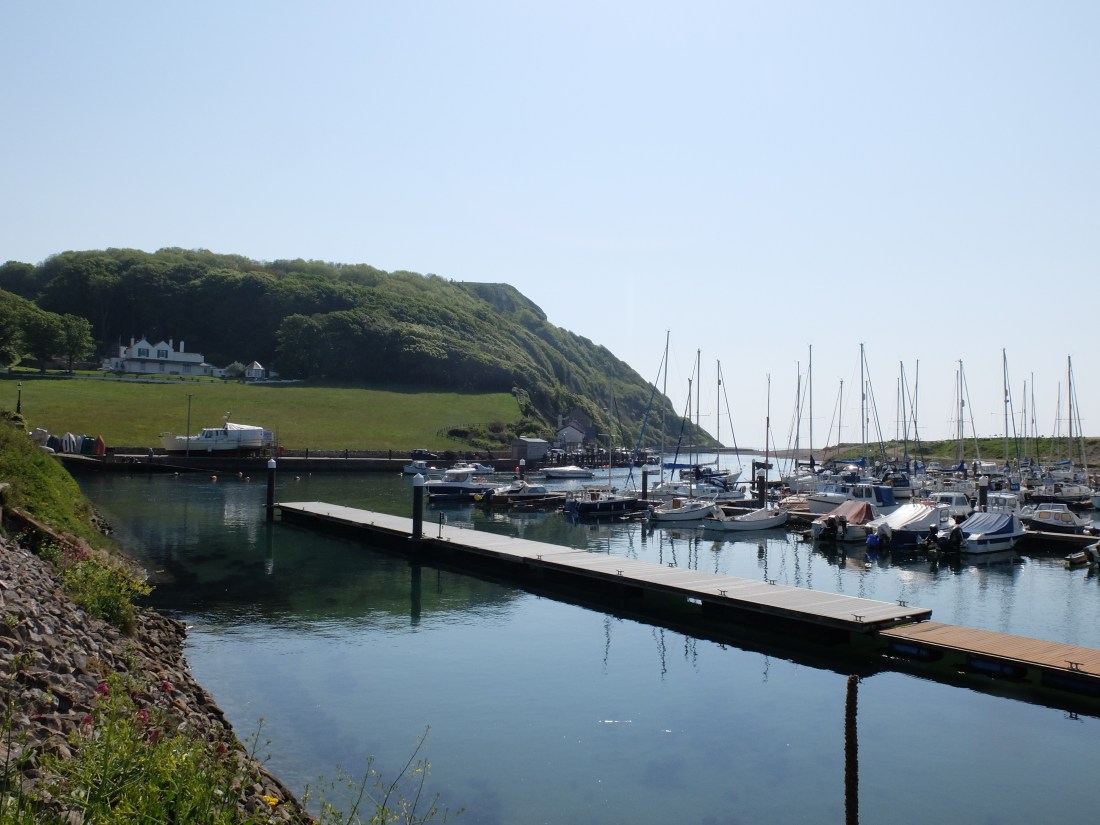
Walking along the boardwalk at Seaton gave us a pleasant view of the long sweeping bay into the distance. There weren’t many people about; perhaps most were already sitting in front of the TV with prosecco to hand. The beach view was soon punctuated by a long line of beach huts.
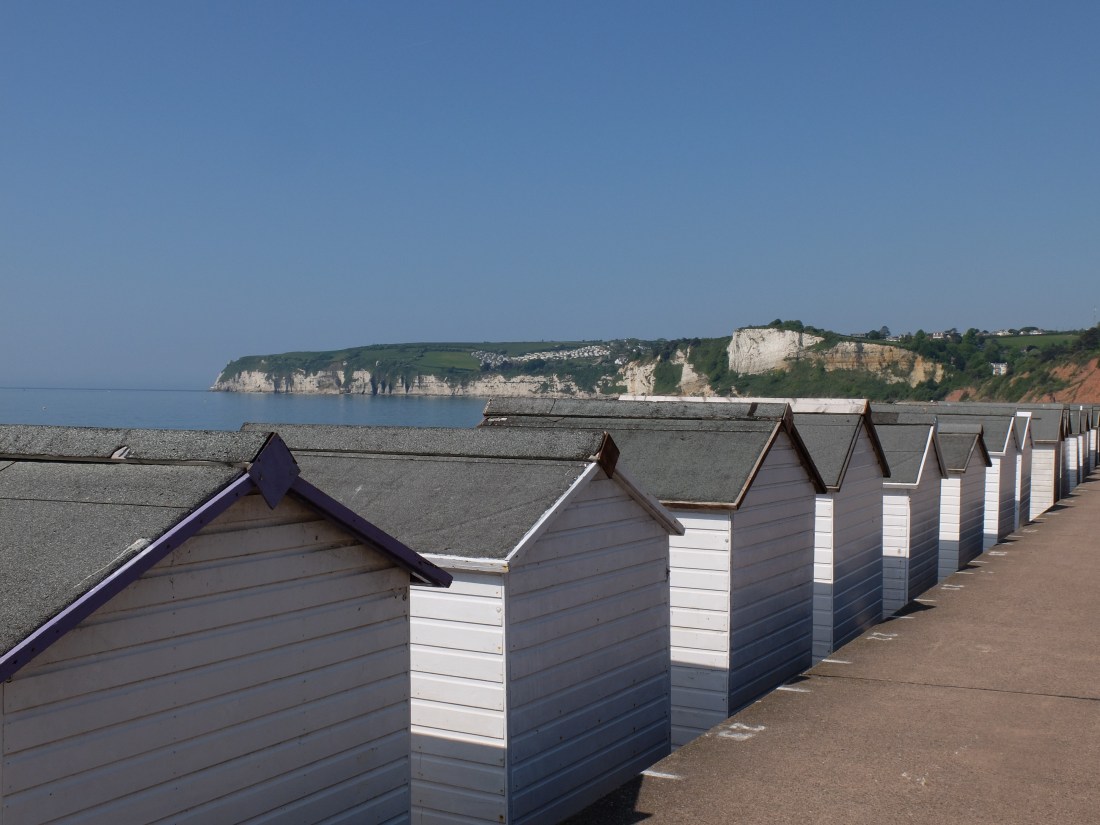
Diverted away from the front we walked round the back of the town to get to Beer Hill. On the way we could see suburbia transplanted to the seaside.
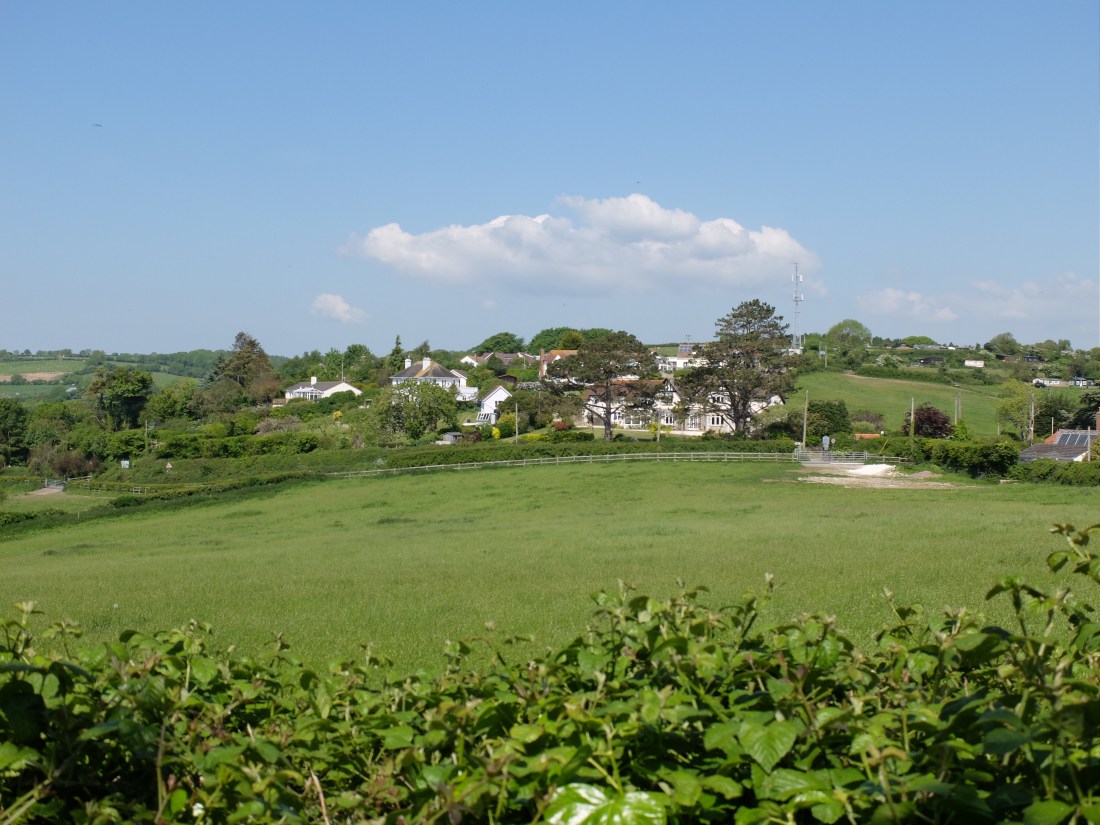
Beer Hill was, as promised steep, but we were at the top of it relatively quickly, and Richard still had enough energy to spot a Speckled Wood on the way.
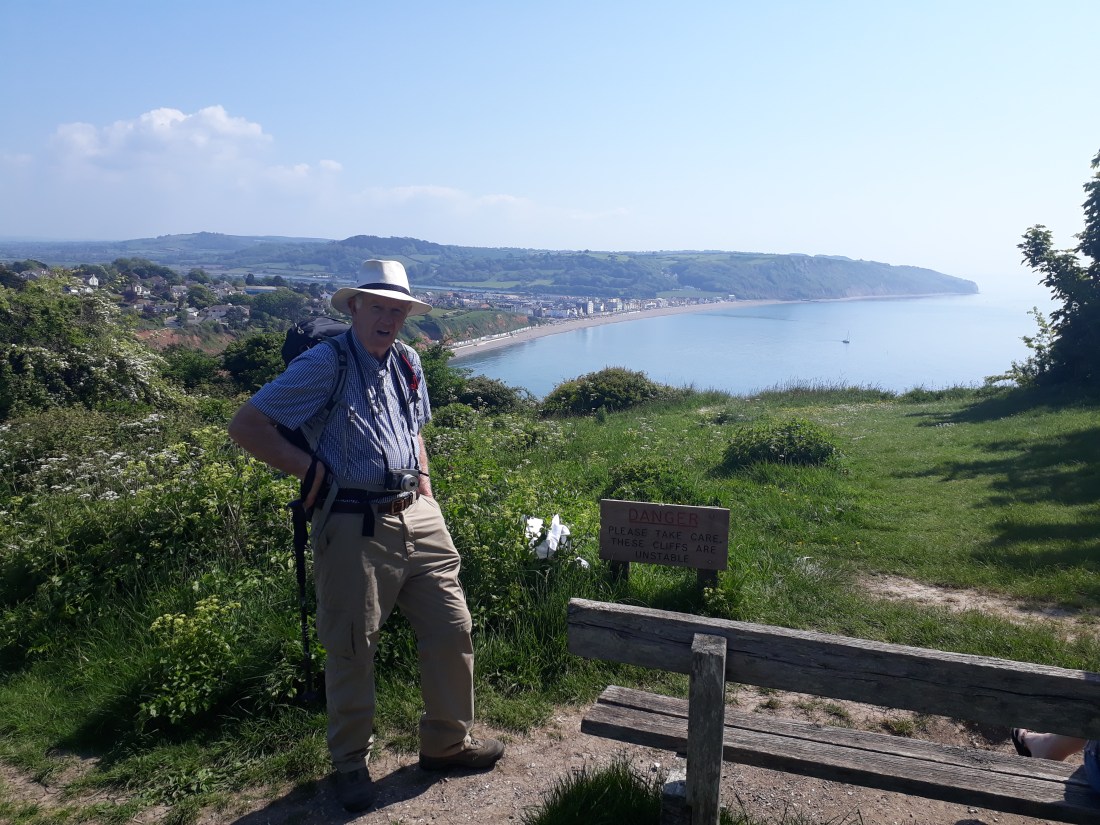
Not long after we were on the way down into Beer on the first of some 1000 steps on this section.
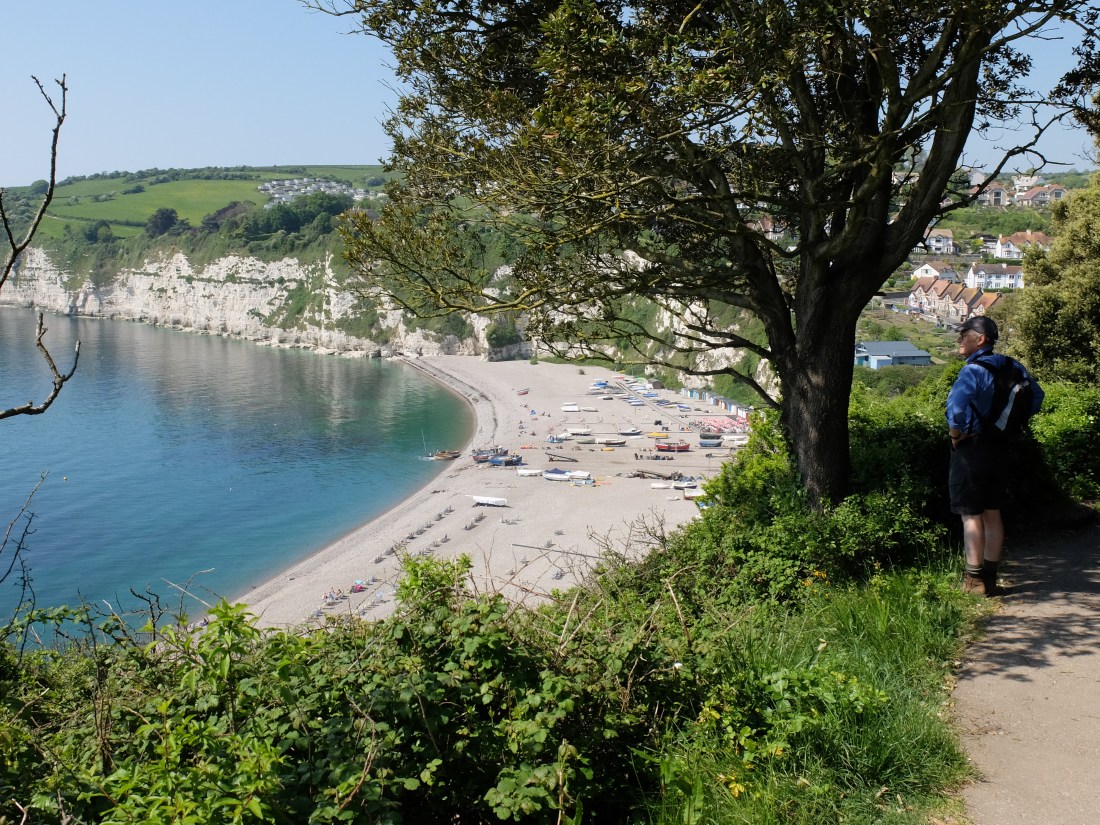
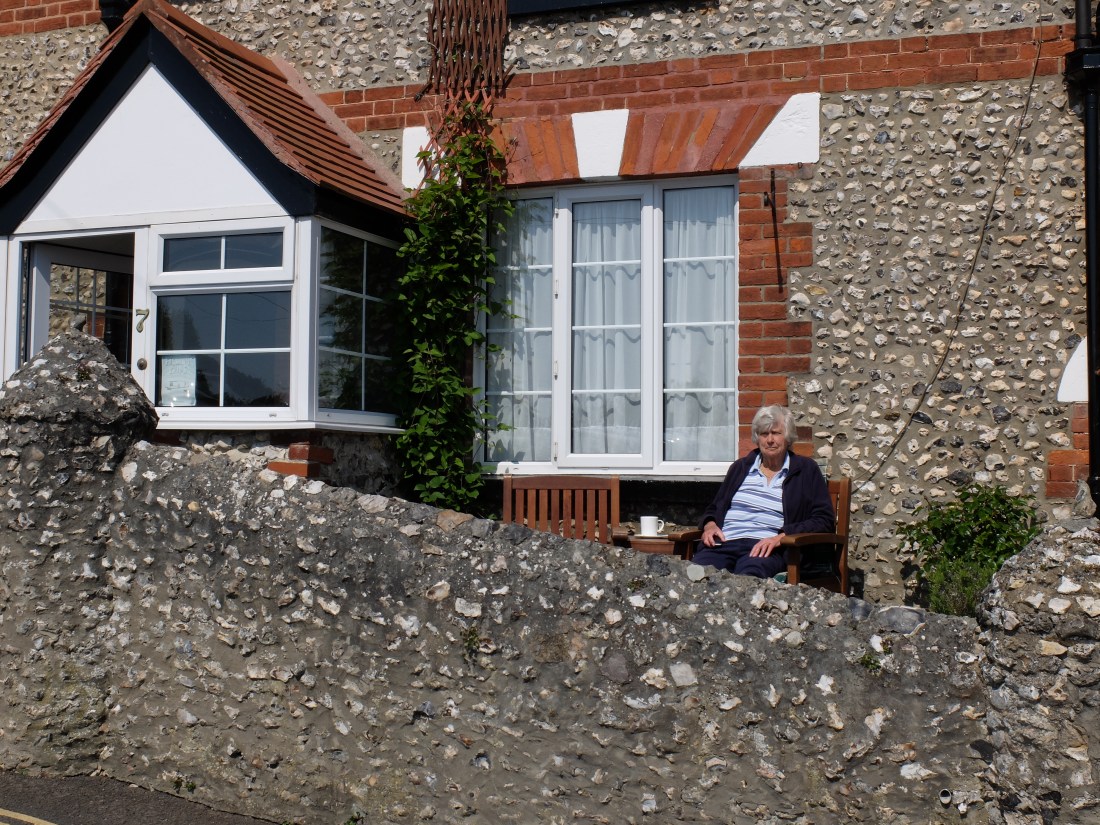
Beer is delightful and tiny, but it had more of its share of the population on royal wedding day. At shortly after eleven o’clock a large group of young men were already drinking at pace outside the Anchor Inn, presumably drinking the health of M and H. Climbing out of the village the dominance of flint in the houses was striking. Outside one of them a friendly local was taking the sun.
On the opposite side of the road neat allotments climbed the hill with us.
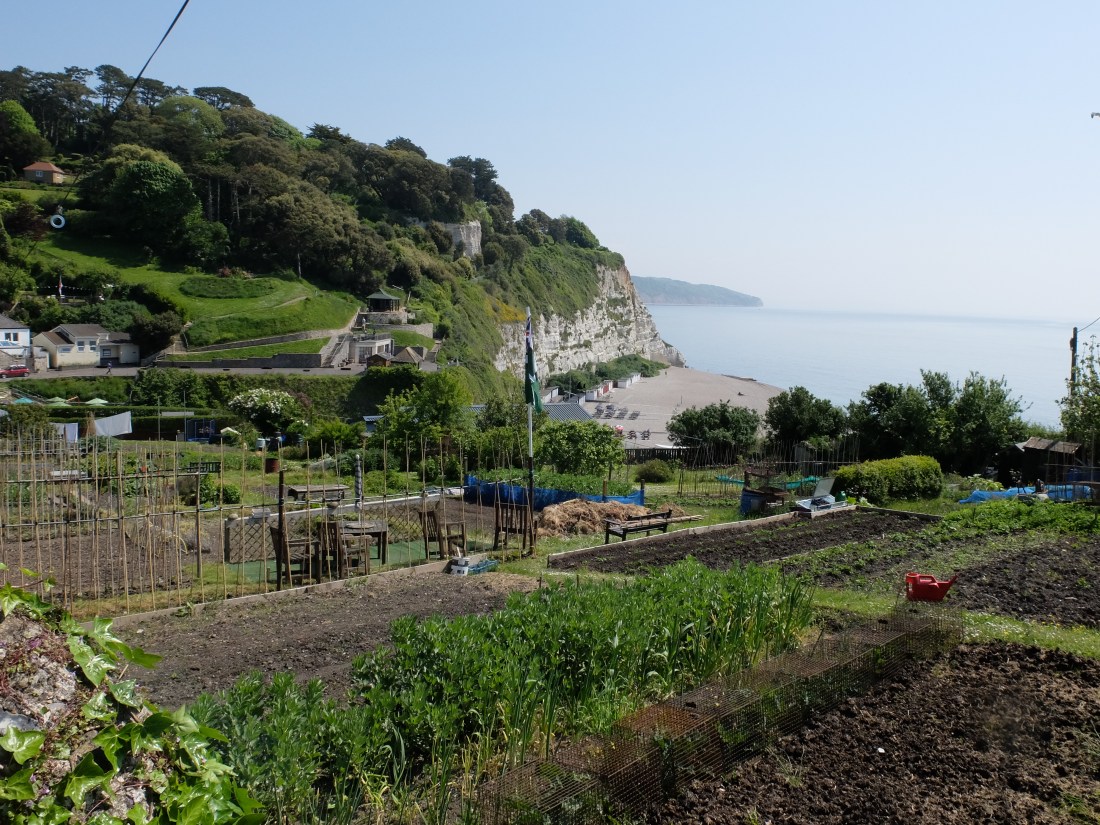
At the top of the hill we were surprised to be walking on a tarmac path in open wild flower meadows, a great contrast to the wooded shade of the day before. Walking along the cliff top we saw two fulmars; we’re making progress. The cliffs vary enormously over a short distance: from white chalk, through red sandstone to the very crumbly sand and gravel mix.
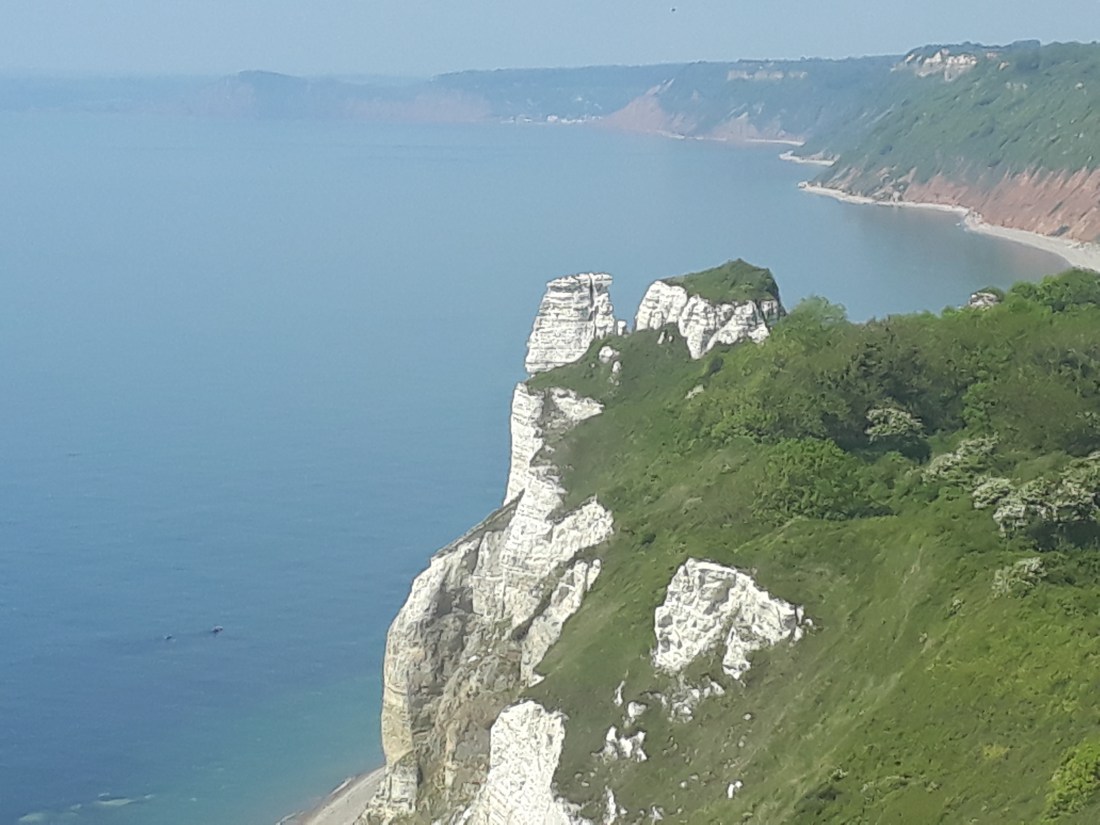
Another steep descent took us to Branscombe Mouth. In the bay here the wreck of the Napoli in 2007 proved that wrecking DNA had lasted well in the population. Raiders from far and wide came to the beach for timber, BMW bikes and barrels of wine. Earlier a naval helicopter had successfully airlifted all 26 of the crew in a brave rescue, but it was the spoil that made the news. In the 18th century a wrecking trial in Dorset had to be abandoned because it was impossible to find twelve good men and true who were not in some way related to the crime. No change.
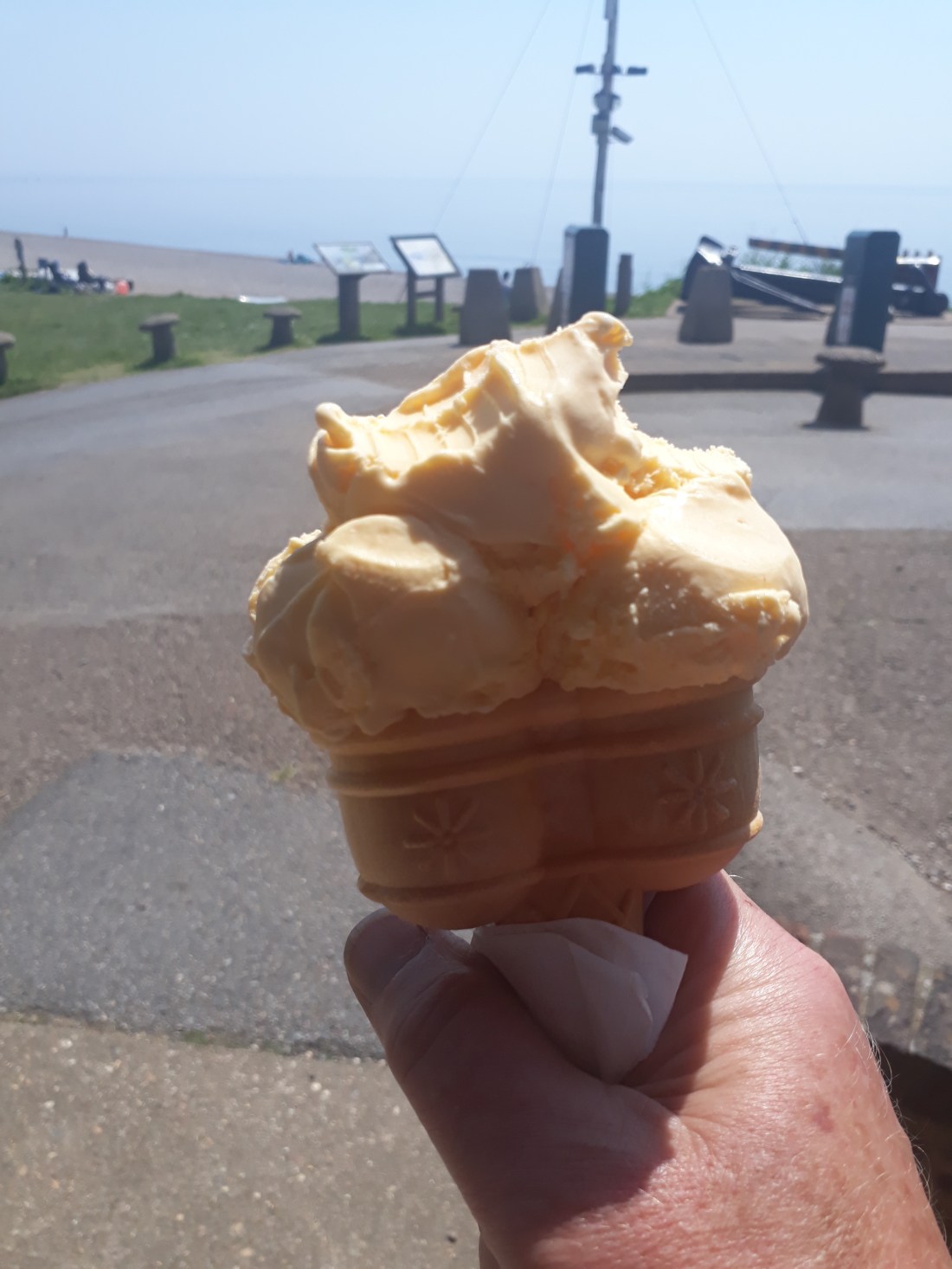
Nothing remains of the Napoli other than her anchor. A few yards from it there is very good ice cream; a double cone each delayed us briefly but refreshed us well.
Once back on the top of the cliff it was time for some lunch. Sitting on our bench we heard a gruff growling call and were both able to identify ravens, so our instruction by Martin has not been in vain.
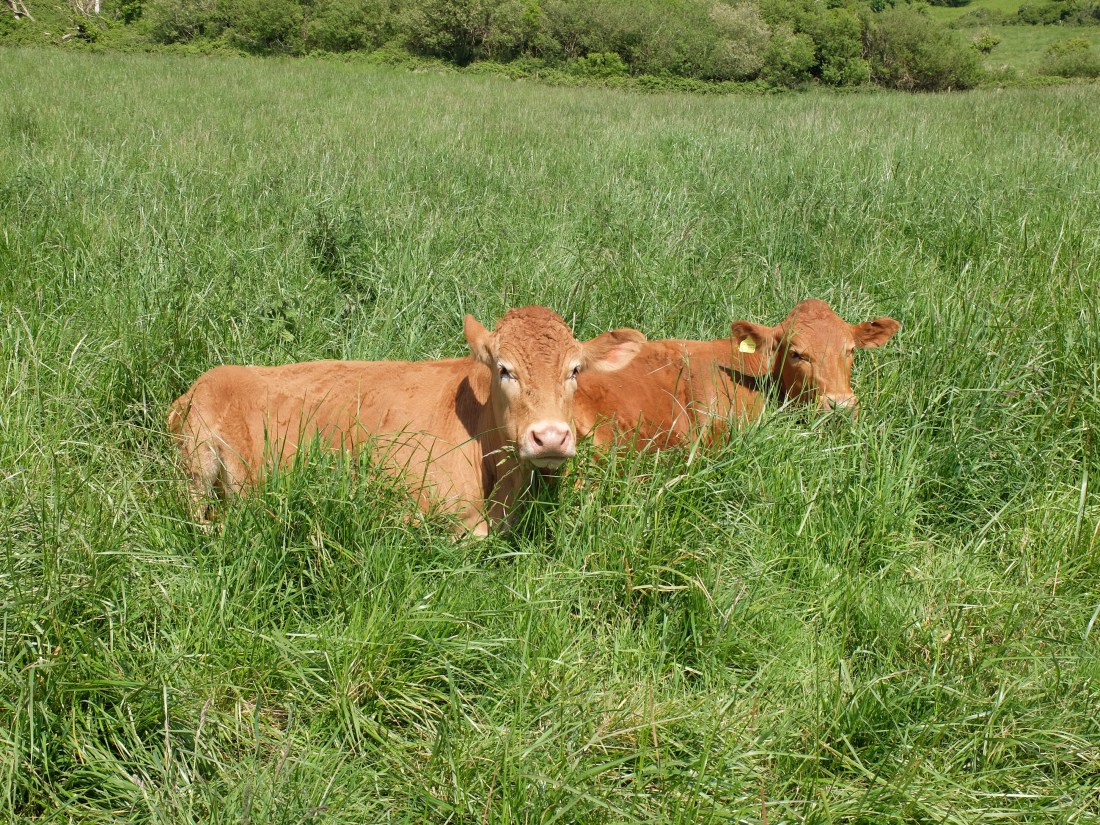
Further on as we approached Weston Mouth we passed a very contented looking group of Red Devons – or perhaps they’re crosses with Simmentals – in a huge stand of grass they had no hope of ever eating.
Then it was sharply down to the mouth and immediately up again. At the bottom a clear small babbling stream emptied onto the shingle and thence to the sea. The noise was beguiling and made us want to sit down and stay – fatal attraction.
By three we were back on the top again. The steps are steep and tiring, but they do gain height very quickly, and are easier than scrabbling up a steep slope looking for a foothold.
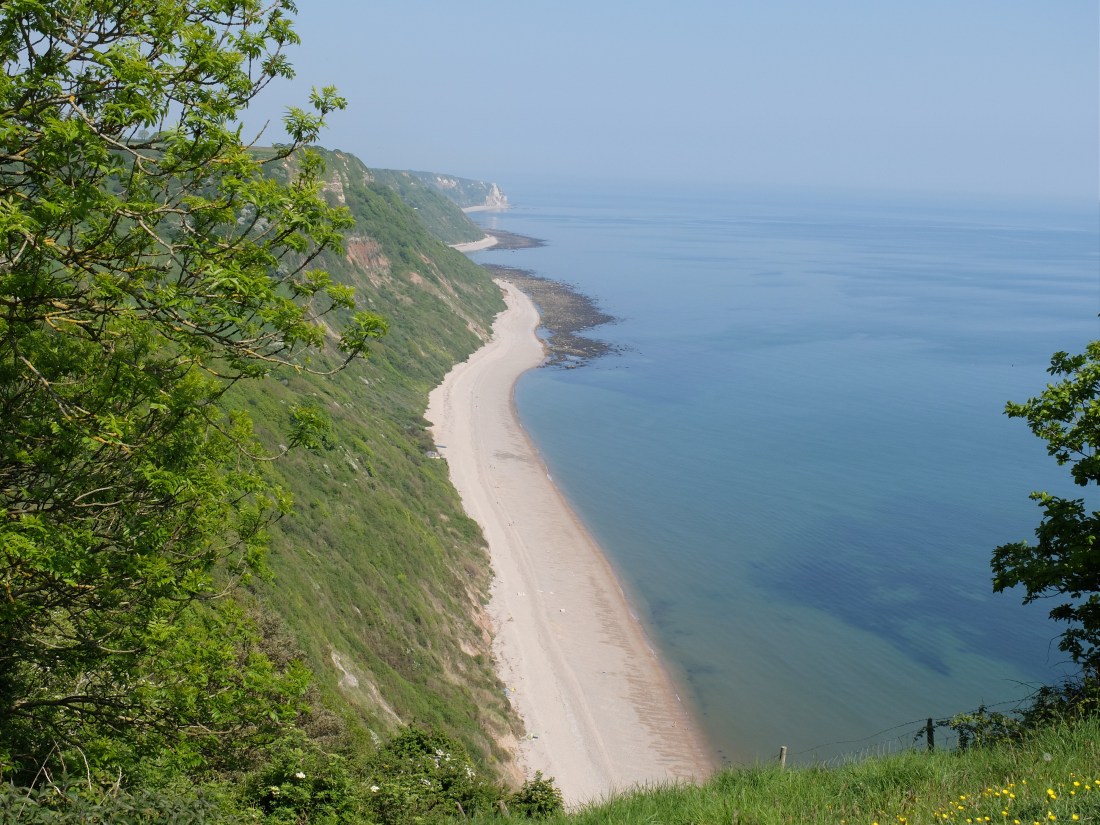
On the way up we passed Weston Plats where small scale market gardening took place on terraces in the undercliff, with the produce hauled out by donkeys.
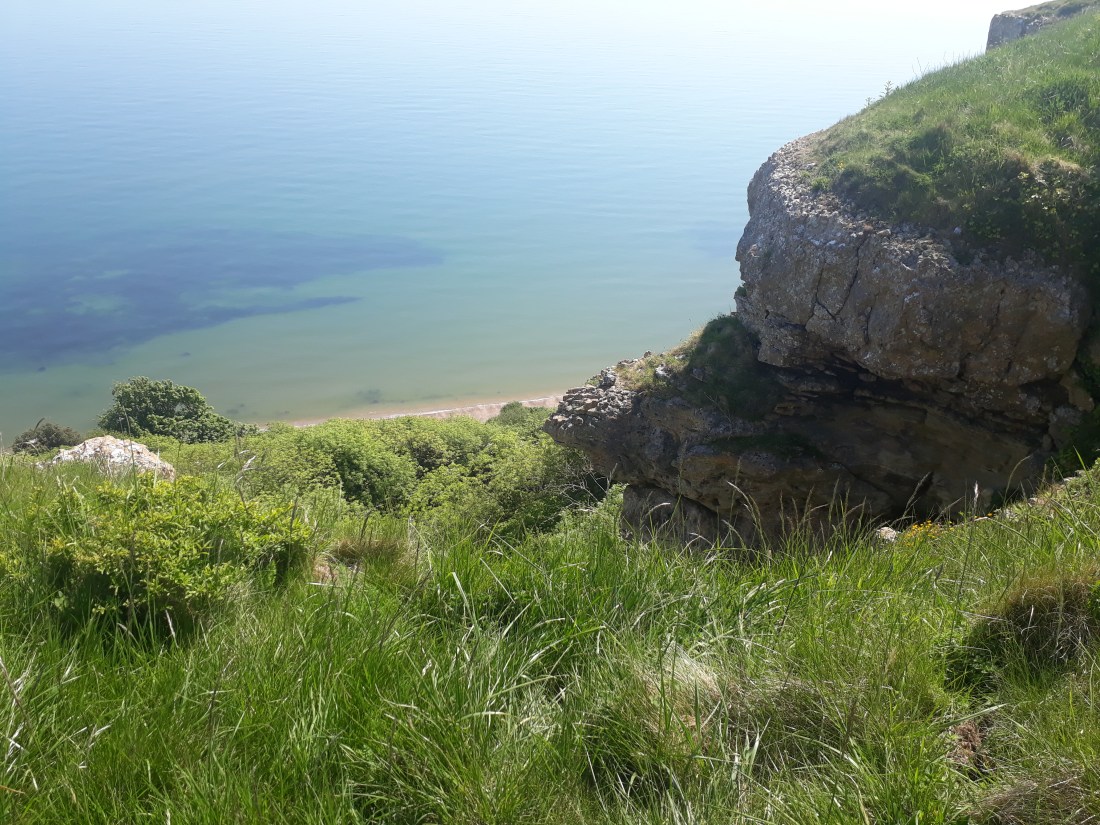
Down again into Salcombe Mouth on steep and difficult steps. But the peak of the day was the climb out of the mouth which was fiendishly difficult albeit helped by the steps. At the top we were only a mile from Sidmouth.
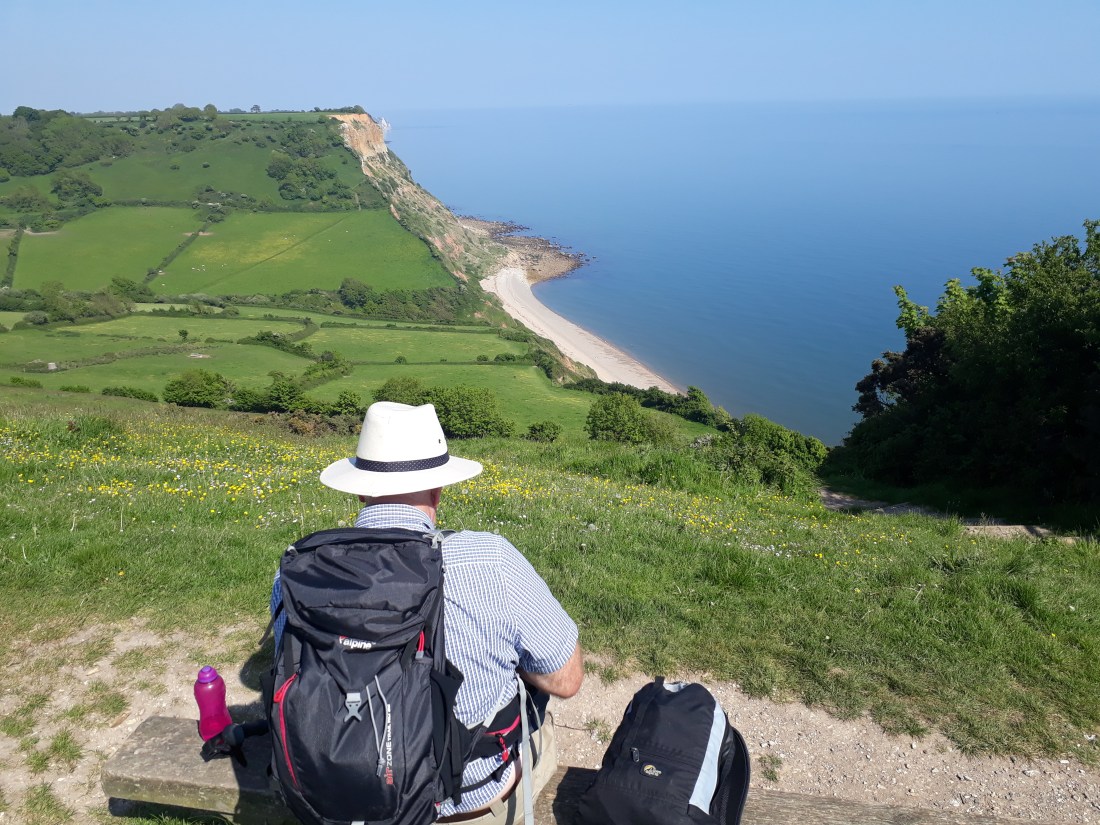
A quarter of an hour later the sight of Sidmouth was such a welcome sight.
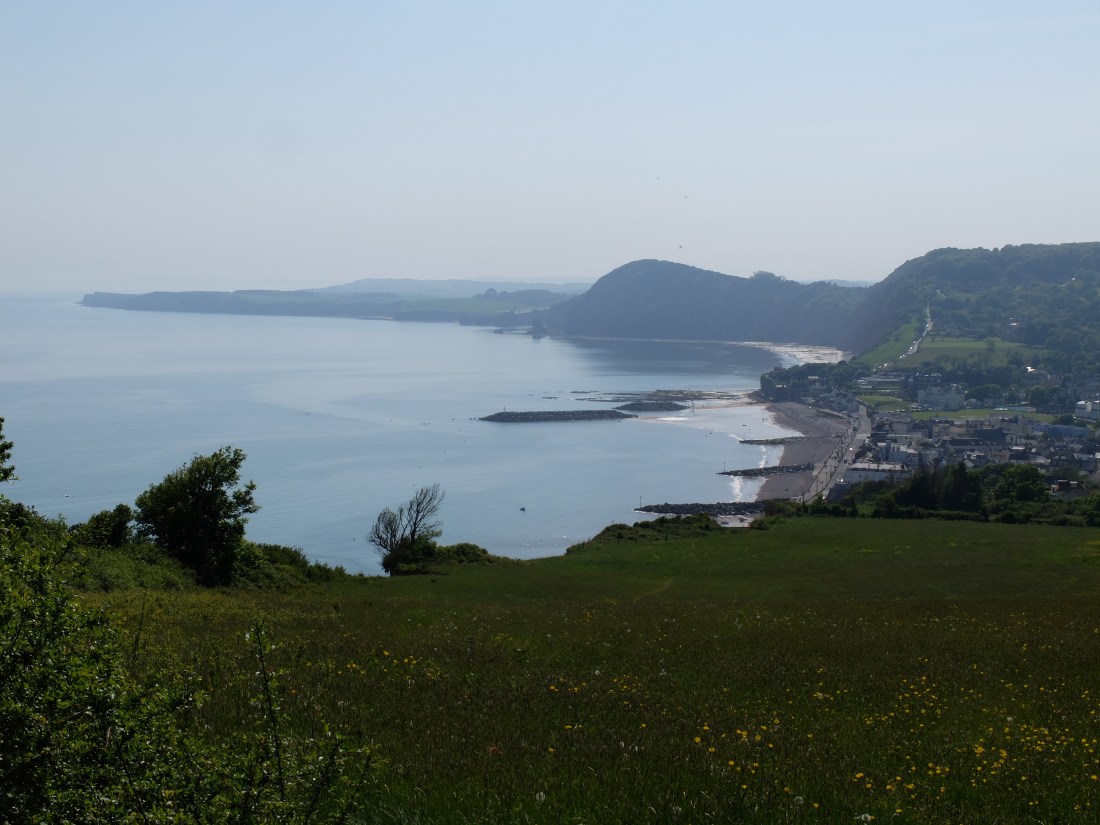
Down into the town we had a long ramble through the streets to get to the car. It had taken exactly seven hours. We both felt worn out and this time there was no beer.
As hoped the reality had been better than the expectation, and the steps portrayed as an obstacle were actually a considerable help. We were now firmly in Devon with over 100 miles under our belts. We have done over 16% of the mileage of the path – but only 14% of the climbs. Looking back on these two days we were very lucky to do them in dry weather. In the wet much of it would have been twice as hard.


